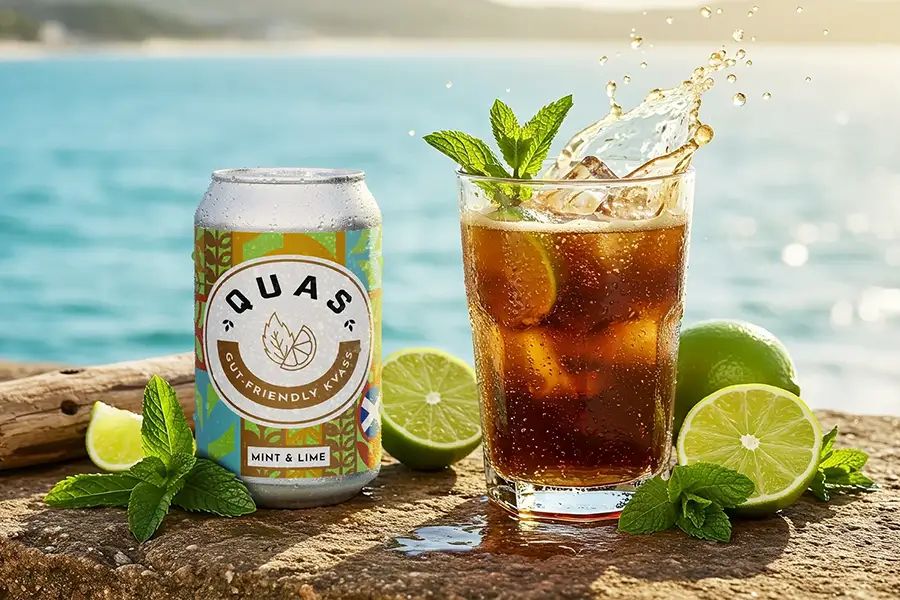

Kvass, a traditional fermented beverage with deep roots in Eastern Europe, is beginning to make its presence known in the United Kingdom. As the UK experiences a rising tide of interest in beverages with healthful, natural ingredients, kvass stands out as a unique entry due to its historical significance and potential health benefits. This rye bread drink offers a refreshing alternative for those seeking naturally fermented beverages.
With its origins shrouded in the culinary traditions of Eastern Europe, kvass is poised to capture the imagination of British consumers. The introduction of kvass to the UK market marks the convergence of a renewed appreciation for traditional fermentation techniques and modern beverage trends. It invites a deeper understanding of Eastern European food culture while aligning with the UK’s increased demand for diverse and unconventional drink options.
The tradition of Kvass
The origins of kvass can be traced back over a thousand years in Eastern Europe, where it has been a staple in households across countries like Russia, Ukraine, and Poland. The drink is primarily made from fermented rye bread, offering a naturally low-alcohol beverage that is rich in beneficial microorganisms essential for gut health. Its taste can best be described as tangy, slightly sweet, and mildly earthy, a consequence of the interaction between yeast and lactic acid bacteria during fermentation.
Kvass is traditionally made by soaking dried bread in water, which is then left to ferment with the optional addition of fruits or herbs to create unique flavors. Despite its simplicity, the fermentation process of kvass reflects a profound understanding of food preservation and nutrient enhancement. Thousands of households across Eastern Europe continue to produce kvass through these traditional methods, passing down recipes and techniques from generation to generation.
What makes kvass particularly intriguing is its historical context. For centuries, it was a common drink for peasants and nobles alike, serving not just as a refreshment but as an essential source of sustenance. The longstanding tradition of kvass conveys a culture that values resourcefulness and nourishment, characteristics that are increasingly admired in today’s conscious consumer market.
Kvass in the modern beverage landscape
The UK is witnessing a boom in fermented drinks, partly due to their perceived health benefits and unique flavor profiles. From kombucha to kefir, consumers are exploring a variety of options. Kvass, with its naturally fermented origins, is perfectly positioned to join this trend, poised to be appreciated for both its deep cultural roots and its refreshing taste.
Small producers are stepping up to introduce kvass to British shelves, often positioning it as a healthier alternative to sugary soft drinks and high-alcohol beverages. By focusing on traditional fermentation methods, these producers are tapping into a consumer desire for authenticity and historical authenticity. Kvass offers the added benefit of being relatively low in alcohol, usually around 2% or less, making it a suitable choice for those seeking a mild buzz.
The science
Understanding kvass requires an appreciation for traditional fermentation processes. This involves the breakdown of carbohydrates in the bread by yeast and bacteria, resulting in the production of alcohol and carbon dioxide, as well as lactic acid. Unlike many mass-produced beverages, kvass relies on natural fermentation to develop its flavors and probiotic qualities, aligning it with modern interest in gut health and natural food preservation methods.
For the UK market, the introduction of kvass could signify a shift towards embracing more diverse cultural cuisines. Encouragingly, the drink’s entry into the UK distributes a piece of Eastern European heritage internationally, fostering a more global appreciation of traditional practices. As British consumers become more adventurous in their beverage choices, kvass is well-poised to cultivate a new cornerstone in the country’s expanding palate for fermented drinks.
Photos via Quas, and Loving Foods