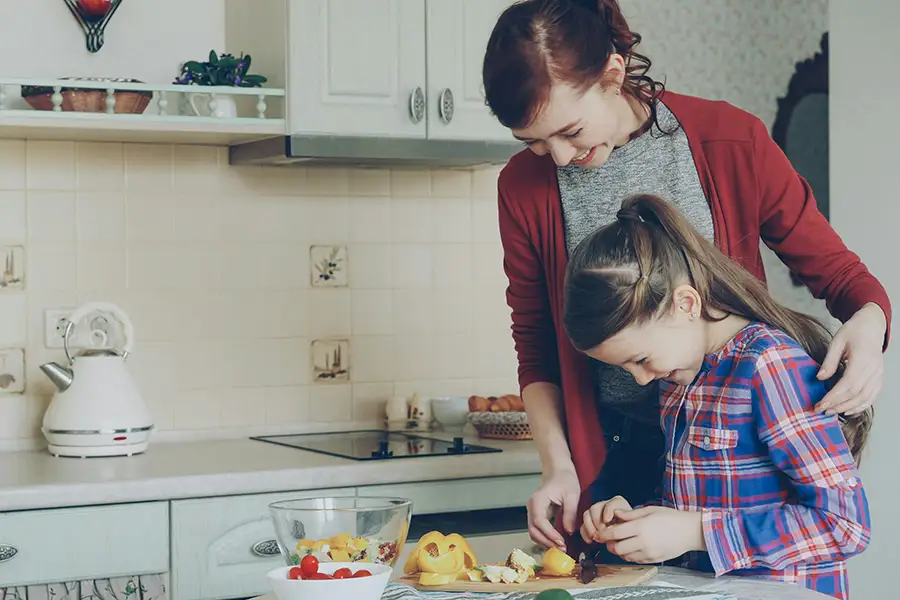

The summer holidays present a wonderful opportunity for children and parents to engage in fun, educational activities together. A captivating way to spend this time is by exploring the world of fermentations. Not only is fermentation a fascinating scientific process, but it also results in delicious and healthy treats that children are sure to love.
This article will introduce you to eight kid-friendly fermentations focusing on sweet foods such as fruits and yogurt. These choices are ideal for beginners and involve processes that are simple and safe for kids to try under supervision. Let’s delve into the flavorful and bubbly world of fermentations for kids!
Homemade yogurt
Creating homemade yogurt is a fantastic introduction to fermentation for kids. This process involves the fermentation of milk using beneficial bacteria called lactic acid bacteria. These bacteria naturally break down lactose in milk, transforming it into the creamy, tangy delight we know as yogurt. The process is simple, requires few ingredients, and the result is not only nutritious but also highly enjoyable.
To start, you’ll need milk and a small amount of yogurt culture. Heat the milk to the appropriate temperature and cool it slightly before adding the culture. The fermentation occurs over several hours, during which the milk thickens into yogurt. This is an excellent hands-on activity for children to understand the role of bacteria in food transformation.
The end product can be a base for several sweet creations. Children can mix in fruits, honey, or granola, enhancing the taste while maintaining the health benefits. It’s a delightful way for kids to enjoy a nutritious treat and learn about the microbial world.
Fermented fruit juices
Fermented fruit juices are another entry-level fermentation that’s both sweet and slightly fizzy, offering a delightful experience for children. This fermentation process involves the natural sugars in fruit being converted into alcohol and carbon dioxide by yeast, but unlike making wine, the alcohol content is minimal.
Begin with freshly squeezed fruit juice; apple and grape juices are popular choices. Add a touch of sugar and a brewing yeast suitable for quick fermentations. Kids can observe the carbon dioxide bubbles formed as a byproduct, turning the juice slightly effervescent. Within a couple of days, the juice develops a mild, tangy flavor.
This process is a fun way for children to learn about fermentation without handling complicated or risky elements. Plus, the slightly fizzy drink is a refreshing substitute for sodas. Remember to supervise the process and ensure the fermentation time is short to keep the alcohol level negligible.
Sauerkraut with fruits
Sauerkraut is typically known for its sour and savory notes, but introducing fruits can add a sweet twist, making it appealing to kids. This process involves fermenting shredded cabbage with salt, where the beneficial bacteria produce lactic acid, naturally preserving the vegetables and adding flavor.
To make this more kid-friendly, incorporate fruits like apples or pineapples. These fruits blend well with cabbage, providing a subtle sweetness and extra nutrients. The preparation involves combining sliced fruits with the cabbage before setting it aside to ferment.
The result is a tangy-sweet side dish that children can enjoy with meals. This not only demystifies fermentation but also introduces kids to new flavor pairings. Furthermore, it’s a practical lesson in how preserving techniques can enhance both taste and nutrition.
Sweet fermented teas
Sweet fermented teas, such as kombucha, are becoming increasingly popular among health-conscious families. Kombucha is made by fermenting sweetened tea using a symbiotic culture of bacteria and yeast (SCOBY). This effervescent drink offers a unique flavor profile and numerous potential health benefits.
The process starts with brewing a batch of sweet tea, which is then mixed with the SCOBY. Kids can watch the intriguing changes as the fermentation transforms the sugary liquid into a tart, fizzy beverage over one to two weeks.
For a sweet twist, introduce flavors post-fermentation, such as blueberry or strawberry puree. The additional fruit flavors not only enhance the taste but also make the drink more appealing to young taste buds. Kombucha offers an accessible way for kids to learn about long-term fermentation processes and enjoy a refreshing drink.
Educational opportunity
Fermentation can be a fantastic educational opportunity, allowing children to witness real-life science at work. Every fermentation project introduces them to the basics of microbiology, teaching them how bacteria and yeast play crucial roles in our food systems. Concepts like microbial activity, anaerobic fermentation, and the importance of temperature are inherently embedded in these processes.
Furthermore, participating in these projects also offers a slew of soft skills. Children learn to follow instructions, develop patience while nature takes its course, and appreciate the complexities of food preparation. They gain a sense of accomplishment from creating something delicious from simple ingredients. Encouraging kids to experiment with fermentations not only nurtures curiosity but also establishes a foundation for lifelong learning and appreciation for the culinary arts.