
Walk into a modern restaurant today, and there is a good chance that somewhere behind the kitchen doors, something is quietly bubbling.
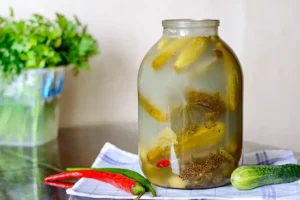
Perhaps it is a crock of kimchi destined for tomorrow’s tasting menu. A tray of koji-covered rice patiently transforming grains into a powerful seasoning. A vinegar slowly maturing in glass jars. Or maybe a chef checking on a batch of fermented blueberries that will accompany roast duck next weekend.
None of these preparations are visible to diners.
Yet they are becoming increasingly central to the way restaurants think about food.
Fermentation is no longer reserved for specialist Nordic restaurants or chefs fascinated by microbiology. Across the world, from independent bakeries to Michelin-starred dining rooms, kitchens are rediscovering one of humanity’s oldest culinary techniques, not because it is fashionable, but because it solves several modern challenges at once.
It creates flavour. It reduces waste. It extends seasons. It encourages creativity.
And perhaps most importantly, it reconnects chefs with time, something increasingly precious in a fast-moving food industry.
More than a trend
Fermentation has appeared on food trend lists for several years, but many trends fade as quickly as they arrive.
This one is different. Unlike decorative ingredients or viral recipes, fermentation offers practical benefits that improve both the economics and the creativity of a kitchen.
Vegetable trimmings become sauces. Overripe fruit becomes vinegar. Bread destined for the bin can inspire fermented crumbs or beverages. Fresh herbs can be preserved long after the growing season ends.
Rather than throwing ingredients away, restaurants are learning to extend their life while creating entirely new flavours. For businesses facing rising food costs, this approach makes increasing sense.
Flavour you cannot buy
Ask chefs why they ferment, and very few begin by talking about probiotics. They talk about flavour. Fermentation unlocks tastes that are almost impossible to achieve through conventional cooking.
Sweetness becomes more complex. Acidity softens. Vegetables gain depth. Fruit develops wine-like aromas. Garlic loses its sharpness and becomes mellow and almost caramel-like after weeks of slow transformation. Even butter can develop remarkable savoury notes when cultured with carefully selected bacteria.
These are flavours that cannot simply be purchased in a bottle. They are created over time. That uniqueness has become one of fermentation’s greatest attractions. Every batch is slightly different. Every kitchen develops its own character.
Restaurants are building their own pantry
Traditionally, restaurants bought ingredients. Today, many are producing them.
Shelves once filled with commercial sauces increasingly hold jars labelled with dates instead of brands.
- House-made vinegars
- Fermented chillies
- Koji
- Cultured butter
- Hot sauces
- Pickled berries
- Miso
- Fruit shrubs
- Lacto-fermented vegetables
These ingredients become signatures.
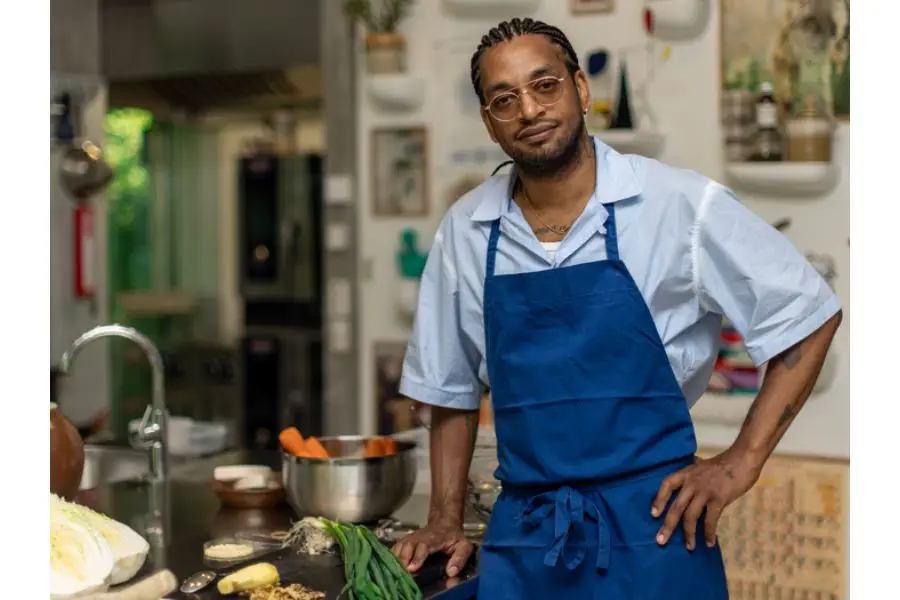
Source: BUSINESS INSIDER
A customer might return not for a steak or a salad, but because no other restaurant serves vegetables seasoned with that particular fermented tomato paste or mushroom garum developed over several months.
Fermentation allows restaurants to create flavours that competitors cannot easily replicate.
Reducing food waste without sacrificing quality
One of fermentation’s greatest strengths is its ability to give ingredients a second life. Many ingredients that might once have been discarded can become valuable additions to a menu. This philosophy aligns closely with the broader movement toward regenerative cooking and circular food systems. Rather than asking how to buy more ingredients, chefs increasingly ask how to make better use of what they already have. Fermentation often provides the answer.
Did you know?
Some of the world’s most celebrated restaurants maintain dedicated fermentation rooms where ingredients are aged for months or even years. These carefully controlled spaces allow chefs to develop entirely new flavours while preserving seasonal ingredients for future menus.
The return of patience
Modern kitchens often celebrate speed. Fermentation asks for the opposite. It rewards patience. A jar cannot be rushed. Microbes work according to their own timetable. That slower rhythm is surprisingly attractive to many chefs. Preparing a ferment today for a menu several weeks later requires planning, observation and trust. It also creates a deeper connection between the cook and the ingredient. Instead of simply assembling dishes, chefs become caretakers of living food.
Today’s diners increasingly want more than a delicious meal. They want to understand where ingredients come from and how they were prepared. House-fermented foods naturally become conversation starters. A server explaining that the restaurant ferments its own lemons or cultures its own butter tells a story that feels authentic. That story adds value beyond the plate. People remember experiences.
What home cooks can learn
Fortunately, this movement is not limited to professional kitchens. Many restaurant techniques translate surprisingly well to the home. A single jar of fermented carrots. A batch of cultured butter. Homemade yoghurt. Fermented lemons. Simple sauerkraut. These projects require patience more than expensive equipment.
The same curiosity driving chefs around the world can begin with one clean jar sitting quietly on a kitchen counter.
As concerns about sustainability, food waste and flavour continue to shape modern cooking, fermentation seems likely to become less of a culinary niche and more of an everyday kitchen practice.
Restaurants are not abandoning fresh ingredients. They are discovering that transformation can be just as valuable as freshness. In doing so, they are reminding us that some of the most exciting innovations in food are not entirely new.
Sometimes, they are ancient techniques viewed through modern eyes. And perhaps that is fermentation’s greatest lesson. The future of food may be built on ideas that have been quietly waiting for us all along.
Continue exploring
If you enjoyed this article, you might also like: