
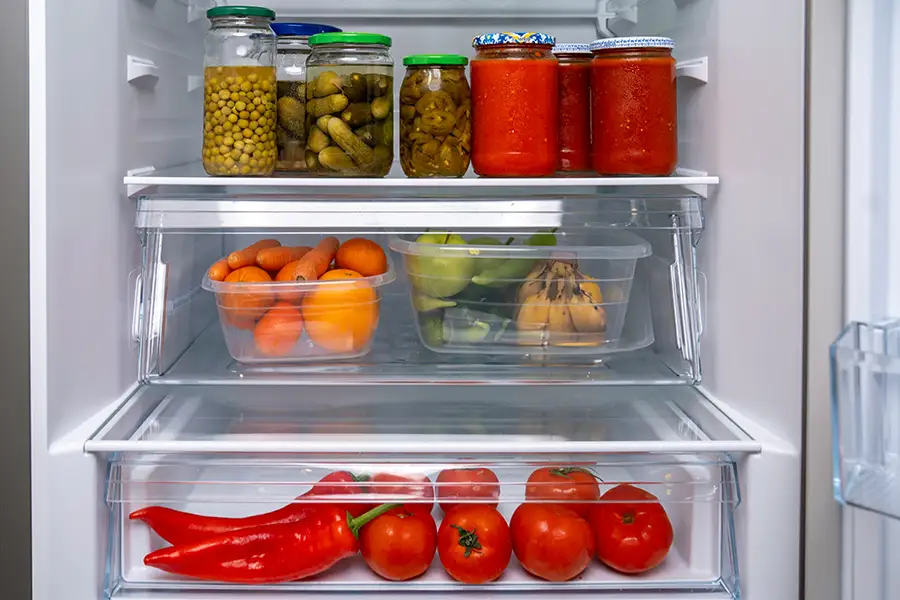

Fermentation is a technique that harnesses the power of natural bacteria to generate an environment where beneficial microbes can preserve food. This process not only enhances flavor but also extends the shelf life of various foods such as vegetables, dairy, and grains. However, after the fermentation process is complete, properly storing these foods is crucial to ensure their safety and flavor maintenance.
Understanding the correct storage methods is essential to preserving the integrity and quality of fermented foods. This article explores the technical aspects of refrigerating fermented foods, using clean utensils, ensuring the food remains covered in brine, and maintaining safe storage practices. Through these explanations, you’ll learn why these steps are essential for both the safety and continued flavor development of fermented foods.
Refrigeration of fermented foods
Once fermentation is complete, refrigeration slows down the microbial activity, preserving the food’s flavor and preventing spoilage. By storing fermented foods in a refrigerator, the cold environment suppresses the activity of unwanted bacteria and molds, reducing the risk of spoilage. In technical terms, the colder temperatures slow down enzymatic reactions and microbial growth, keeping the fermented foods safe and palatable for an extended period.
Fermented foods like kimchi, sauerkraut, and yogurt need refrigeration after fermentation to maintain their quality and safety. Without refrigeration, the high temperatures may accelerate fermentation beyond desirable levels, leading to over-acidification or unpleasant flavors. Thus, placing them in refrigeration after the desired fermentation stage helps in maintaining the microbial stability of the product.
The technical practice of placing fermented foods in airtight containers before refrigeration is crucial. The air-tight sealing prevents external bacteria from infiltrating the food, thus maintaining the integrity of the originally cultivated bacterial cultures. Utilizing properly sealed containers also helps in reducing odor spread in the refrigerator while retaining the unique aromas of the fermented foods.
Using clean spoons for serving
Using clean utensils to serve fermented foods is a basic yet vital hygiene practice. Each time an unsterilized spoon is used, there is a risk of introducing foreign bacteria into the fermented product. This could lead to contamination and eventually spoilage.
The need for using clean utensils arises from preserving the existing bacterial cultures within the fermented food. These beneficial microbes need to remain untainted to ensure that the food stays flavorful and safe for consumption. Additionally, any residue from other foods on a dirty spoon could interact negatively with the fermented food, altering its taste or consistency.
From a technical standpoint, using a clean spoon minimizes cross-contamination and maintains the desired fermentation conditions. Practically, adopting this simple habit can significantly extend the shelf life of the fermented foods, allowing them to retain their nutritional and sensory qualities for longer periods.
Ensuring food remains covered in brine
One of the fundamental principles in storing fermented vegetables is keeping them fully submerged in brine. This salty water solution creates an anaerobic environment, essential for preserving the fermented foods and preventing spoilage. The anaerobic conditions prevent the growth of molds and yeast that thrive in oxygen-rich environments.
The brine not only acts as a preservative but also adds to the flavor profile, making the final product more palatable. Ensuring that the food remains below the brine level is critical because exposure to air can lead to the growth of undesirable microorganisms, which can spoil the entire batch. This is particularly relevant in fermentations like pickling where the brine’s salt content regulates microbial activity.
Practically, utilizing weights or fermentation caps to keep the food submerged is a robust measure. These tools help in maintaining an even distribution of liquid over the food, ensuring that every piece remains protected. Properly managing the coverage in brine also supports the even distribution of flavor and acidity throughout the fermented product.
In practice
The cumulative impact of these storage practices is significant in retaining the quality and safety of fermented foods. Refrigeration, clean utensils, and maintaining brine coverage are not mere suggestions but essential technical guidelines that ensure effective fermentation management. The rationale behind these practices lies in maintaining the anaerobic environment needed for beneficial bacteria while inhibiting potential spoilage microbes.
Ultimately, the role of proper storage in the fermentation process cannot be overstated. Not only does it impact the safety and longevity of the product, but it also enhances the flavor complexity that makes fermented foods so valued. These technical practices are rooted in scientific principles but are accessible for anyone looking to improve their fermentation techniques, ensuring their homemade ferments remain delicious and safe for consumption.