
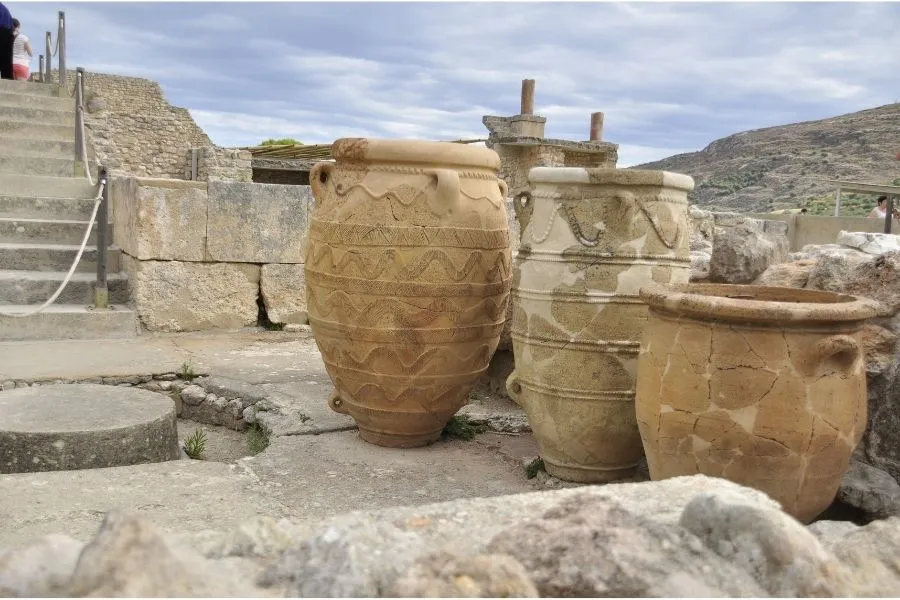
Before refrigerators, there was fermentation. Long before electricity, before preservatives and plastic packaging, people relied on something quieter and far more intuitive.
They relied on time, salt, and the unseen work of nature.
Fermentation wasn’t a trend. It was survival.
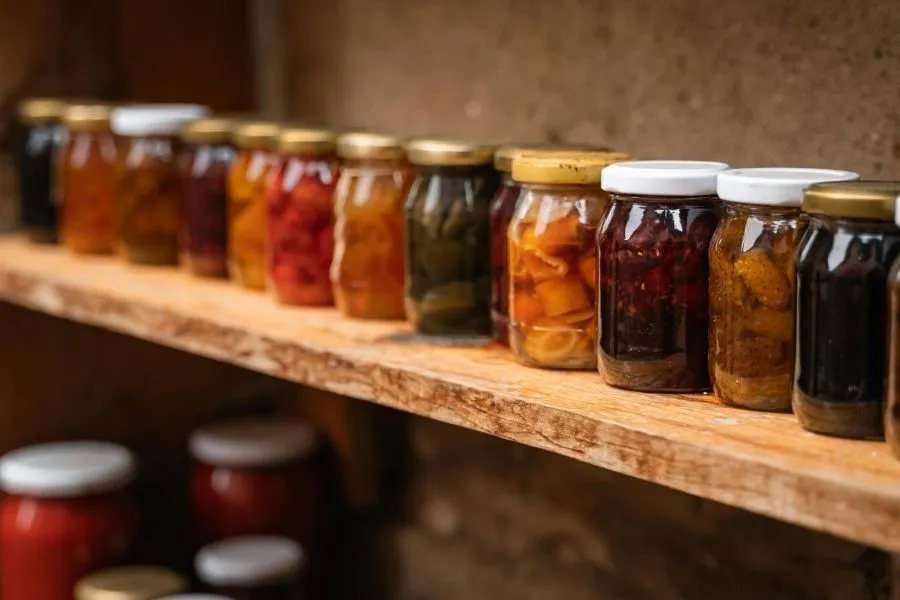
Vegetables were harvested in abundance, but seasons changed quickly. To preserve them, people turned to a process that required no machines, only patience. Clay pots were buried in the ground, jars were kept in cool corners of homes, and slowly, over days and weeks, something remarkable happened.
Food transformed. Not just in taste, but in character.
What began as a necessity became a tradition, one passed down through generations, across cultures, and into kitchens around the world. Today, fermentation is returning. Not because we have to, but because we choose to, for several reasons.
What does it mean to ferment vegetables?
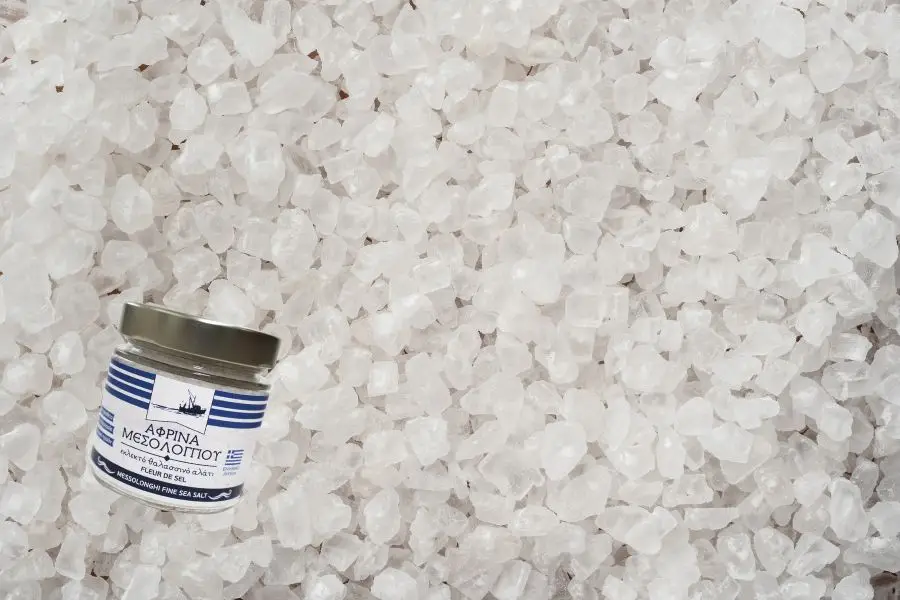
Let’s talk about salt!
At its simplest, fermentation is a natural process. When vegetables are combined with salt or submerged in brine, beneficial bacteria begin to break down their natural sugars. These bacteria, primarily lactic acid bacteria, create an acidic environment that preserves the food and gives it its distinctive tang.
The result is something alive:
- Rich, layered flavors
- Natural preservation
- Beneficial probiotics
No vinegar. No shortcuts. Just transformation.
*Prefer sea salt and not table (iodized) salt
A shared tradition across cultures
Fermentation belongs everywhere.
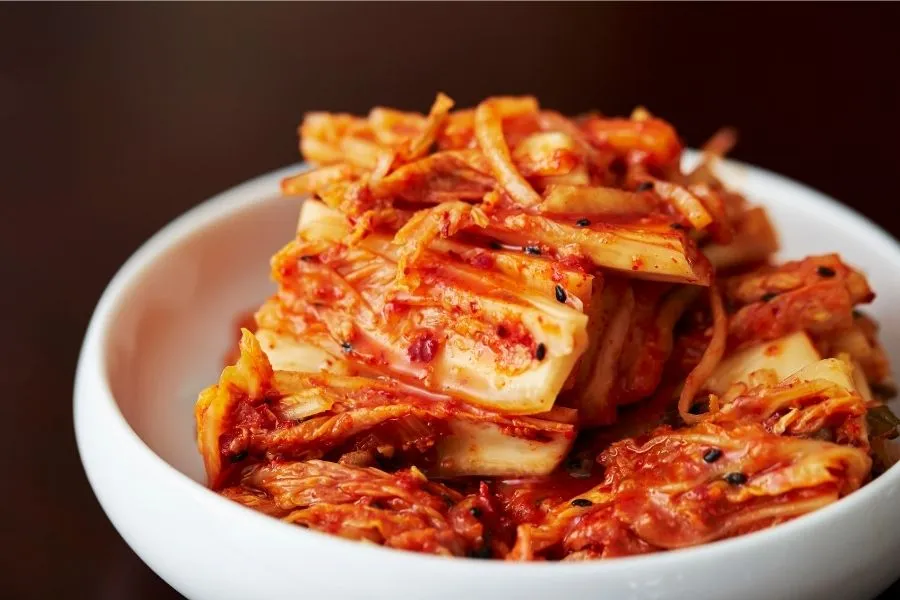
In Korea, it becomes kimchi.
In Germany, sauerkraut.
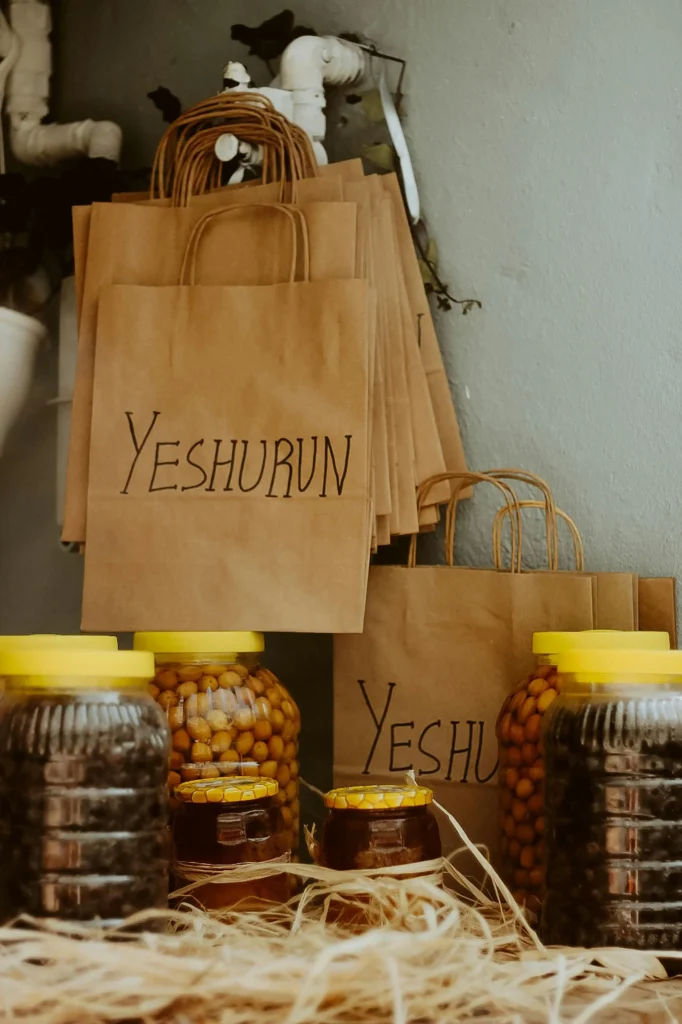
Across the Mediterranean, olives, capers, and preserved vegetables follow the same principle.
Different ingredients, different climates, but the same instinct:
-To work with nature, not against it
-To make food last
-To deepen its flavor
Why fermentation still matters today
The reasons we ferment today are not the same as they once were, but they are no less important. What has changed is necessity; what has remained is the value.
Flavor: Not just sour; complex, evolving, and alive.
Gut Health: Fermented vegetables are naturally rich in probiotics that support digestion and balance.
Sustainability: Seasonal produce last longer. Waste is reduced.
Connection: You begin to notice your food differently. You wait. You taste. You adjust.
The modern revival of an ancient technique
What was once considered old-fashioned is now quietly shaping modern food culture.
Chefs experiment with fermentation in modern kitchens. Home cooks rediscover it with simple jars on their counters. Wellness communities embrace it for its natural benefits.
Noma’s René Redzepi Believes Fermentation Is The Future Of Food. “I truly believe in fermentation as a way to make cooking easier,” explains René Redzepi. “It’s a natural process and way of being, and ultimately the future of cooking.”
Fermentation now sits at the intersection of tradition, science, and everyday living.
How-To ferment vegetables (a simple way to begin)
For something so deeply rooted in history, fermentation is surprisingly simple to start at home.
You’ll need:
- Fresh vegetables (cabbage, carrots, cucumbers, etc.)
- Salt
- Water (if using brine)
- A glass jar
The basic process:
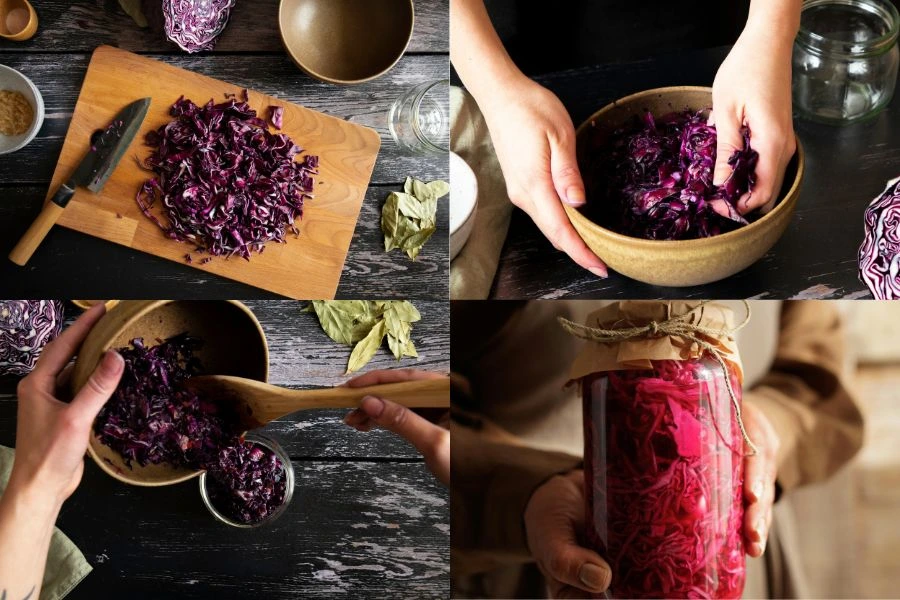
1. Prepare your vegetables
Wash and cut them into your preferred shape.
2. Add salt (this is where the process truly begins)
Salt isn’t just for flavor. It creates the environment that allows fermentation to happen safely.
It helps beneficial bacteria grow while preventing unwanted microbes.
For most vegetables, a reliable starting point is:
Dry method (for shredded vegetables like cabbage):
Use about 2% salt based on the weight of your vegetables
- 1 kg vegetables → 20 g salt
- 500 g vegetables → 10 g salt
Brine method (for whole or firm vegetables like carrots or cucumbers):
Use a 2–2.5% salt solution in water
- 1 liter water → 20–25 g salt
You don’t need perfect precision, but staying close to this range makes a big difference, especially in the beginning.
3. Pack tightly into a jar
Press down firmly to remove air pockets.
4. Keep everything submerged
This is one of the most important steps.
Vegetables should stay below the liquid to ferment safely.
Using a weight or a proper fermentation jar can make this much easier.
5. Close and let time work
Leave at room temperature for 1–4 weeks
Ideal temperature: around 18–24°C
Too cold slows things down, too warm speeds it up.
6. Start tasting after 3–5 days
- Open the jar briefly
- Use a clean utensil
- Taste a small piece
If it’s still mild, let it continue.
If it’s tangy and balanced, you can stop it by moving it to the fridge.
A gentle rhythm to follow:
- Days 1–3 → let it develop (don’t open)
- Day 3–7 → start tasting
- After that → check every few days
There’s no single “perfect” moment. The best time is when it tastes right to you. Fermentation isn’t rigid – your taste guides the process.
7. When should you open the jar?
Fermentation isn’t something you “set and forget”. It’s something you check in on.
Open the jar once a day (or every 1–2 days) if you’re using a regular jar (no airlock). During fermentation, gases build up (that’s the bubbles you see). If they don’t escape, pressure can build inside.
If you’re using an airlock fermentation jar, you do NOT need to open it. Airlock systems automatically release gas and prevent oxygen from entering.
A few small details that make a big difference
- Water: If possible, use filtered or dechlorinated water
- Salt: Use sea salt and avoid iodized salt (table salt). It can interfere with fermentation.
- Air exposure: The less oxygen, the better the results
Using a fermentation jar with an airlock system can help keep conditions stable, especially if you’re just starting out.
Start your own fermentation ritual
You don’t need a cellar or generations of experience to begin.
Just a jar, a few good ingredients, and the willingness to let time do its work.
If you want to make the process simpler, choose:
- Easy-to-use jars with airlock systems
- Tools to keep your vegetables perfectly submerged
- A setup that helps you start with confidence
What you might notice (and why it’s normal)
- Bubbles forming → a sign of activity
- Cloudy liquid → part of the process
- A tangy, sour aroma → exactly what you want
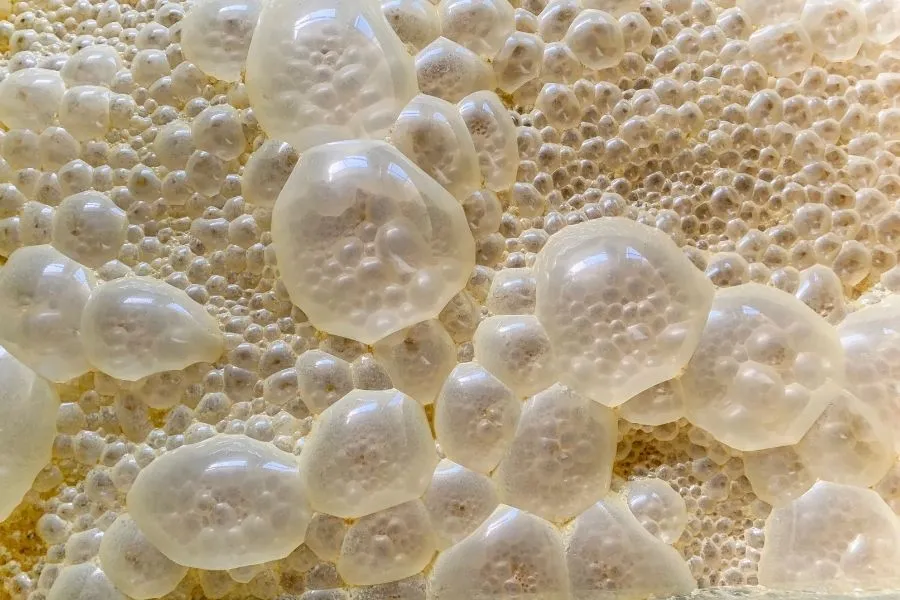
Fermentation is alive. Change is part of it.
Time, Patience, and Trust
Fermentation doesn’t follow strict rules.
It responds to:
- temperature
- ingredients
- your environment
What you begin to understand is not just a method, but a rhythm. Fermenting vegetables is not just about preserving food. It’s about slowing down and paying attention. Letting something natural unfold.
And the only real way to understand it is to try it.
Start with a simple recipe, or begin with a starter kit designed to guide you from day one.
Further reading & inspiration
This article is shaped by both traditional knowledge and modern research around fermentation, practices that have been refined across cultures for generations and are now being rediscovered through contemporary food science. If you’d like to go deeper, these are some of the voices and resources that have helped bring fermentation back into focus:
– The Art of Fermentation, by Sandor Katz
A modern classic that explores fermentation across cultures, combining history, science, and hands-on practice.
–Wild Fermentation, by Sandor Katz
A more accessible introduction for home fermenters, focused on simple, practical methods.
–The Noma Guide to Fermentation, by René Redzepi
A contemporary perspective from one of the world’s most influential kitchens, blending tradition with experimentation.
–Harvard Health Publishing
For insights into gut health, probiotics, and the role of fermented foods in modern nutrition.
–National Center for Home Food Preservation
A reliable reference for food safety and preservation techniques.