
Some food memories begin in a kitchen.
Others begin barefoot on warm rocks, with salty hands, the sound of waves nearby, and the excitement of discovering something unexpected beneath the surface of the sea.
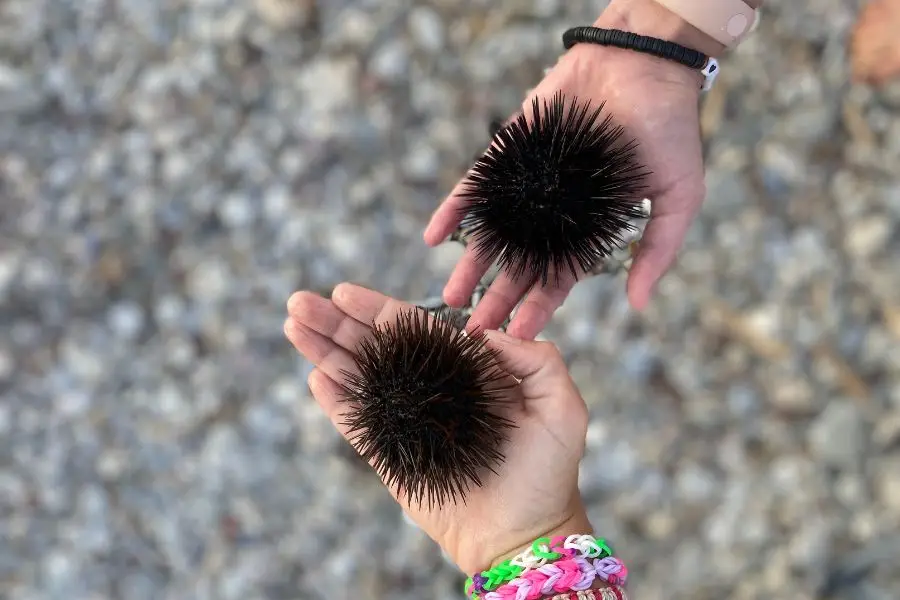
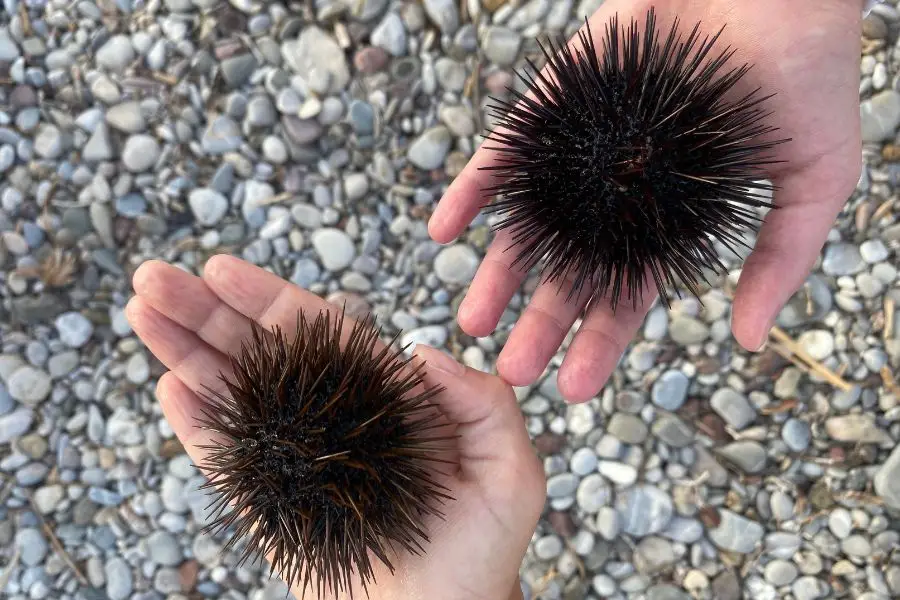
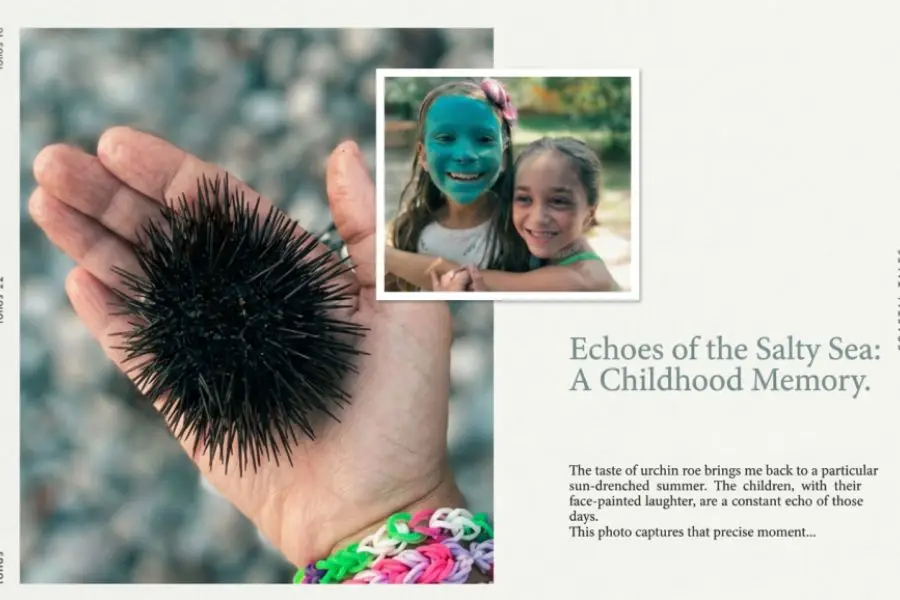
This summer, somewhere along the beautiful coastline of the Peloponnese, my daughter Vassiliki and her friend Ariadni experienced one of those small but unforgettable Mediterranean summer moments. Holding sea urchins in their hands, they were not just looking at a creature from the sea. They were discovering a connection between nature, food, tradition, and curiosity.
And perhaps this is where our relationship with food truly begins.
Before ingredients arrive beautifully packaged on supermarket shelves, before recipes are written down, before meals are prepared around a table, there is a much older story: the story of where food comes from.
The pantry begins before the kitchen
We often think of the pantry as a collection of familiar ingredients: olive oil, olives, grains, herbs, cheese, wine, preserved vegetables, and fermented foods.
But the pantry begins much earlier.
It begins in olive groves, gardens, forests, and seas.
For generations, coastal communities have understood that the natural world provides food according to its own rhythm. Fishermen followed the seasons. Families gathered wild greens when they were available. Fruit was preserved when it was abundant. Vegetables were fermented, dried, or stored to carry summer’s flavours into colder months.
This relationship with seasonality is at the heart of Mediterranean food culture.
A sea urchin discovered along the shore is part of that same story: a reminder that food is not created in isolation. It is connected to landscapes, ecosystems, and traditions passed from one generation to the next.
Food education starts with curiosity
Today, many children know food mainly through supermarkets, restaurants, or screens. They see the finished product but rarely experience the journey behind it.
They may know what a jar of olives looks like, but not where olives grow.
They may enjoy bread, but not understand the transformation of grain, water, and sourdough.
They may eat seafood, but never wonder about the world beneath the waves.
Moments like this change that.
When children touch, observe, and discover ingredients in their natural environment, food becomes more than something we consume. It becomes something we understand.
A sea urchin is no longer just an ingredient on a plate. It becomes a memory of the sea, a summer afternoon, and a lesson about nature’s generosity.
This kind of connection is one of the most important ingredients in building a more conscious food culture.
Preserving memories alongside food
Perhaps the most meaningful part of Mediterranean food traditions is not only what we eat, but what we remember.
A recipe passed from grandmother to granddaughter.
A family gathering around a table.
The first taste of summer fruit.
The smell of bread baking.
The discovery of something new by the sea.
Food connects generations because it carries stories.
The photograph of Vassiliki and Ariadni holding sea urchins captures more than a summer moment. They capture curiosity, friendship, nature, and the beginning of a relationship with food that hopefully continues throughout their lives.
Years from now, they may not remember every detail of that day.
But they will remember the feeling.
The sea breeze.
The excitement.
The discovery.
The simple joy of holding the sea in their hands.
A reminder
The next time we prepare a meal, perhaps we can ask a simple question:
Where did this food begin?
Was it grown in the soil?
Picked from a tree?
Harvested from the sea?
Transformed through time and tradition?
Understanding where food comes from changes the way we see it.
It creates respect.
It creates gratitude.
And sometimes, it begins with two children standing by the sea, holding a small piece of the Mediterranean in their hands.
A poem
That afternoon ended as all summer afternoons eventually do.
The sun drifted lower.
The sea turned gold.
The sea urchins were returned gently to the water.
The girls ran off in search of the next adventure.
Life moved on.
But something remained.
Because childhood is built from moments exactly like these.
Not expensive ones.
Not carefully planned ones.
Just moments of discovery that quietly become part of who we are.
Perhaps that is the greatest recipe nature has ever written.
Not one for cooking.
One for living.
To remain curious.
To walk a little slower.
To notice what others pass by.
To understand that every ingredient has a beginning.
Dedicated to Vassiliki and Ariadni, and to the beautiful friendship that turned an ordinary summer afternoon into a memory that will last a lifetime.