
Morning light spills across the kitchen table. A loaf of sourdough rests beside a bowl of thick yoghurt topped with fresh berries, while a small jar of homemade sauerkraut waits quietly alongside scrambled eggs. There is nothing unusual about the meal. In fact, that may be its greatest strength.
Only a few years ago, conversations about healthy eating often revolved around calories, carbohydrates or whichever “superfood” happened to dominate the headlines. Today, the conversation has moved somewhere less visible. Increasingly, it begins inside the gut.
Fermented foods, fibre-rich ingredients and the gut microbiome have become part of everyday discussions about nutrition, not because they promise quick fixes, but because they encourage a broader way of thinking about food. The growing interest is reflected everywhere, from supermarket shelves and restaurant menus to scientific journals and family kitchens.
From headlines to everyday habits
Earlier this year, the Los Angeles Times explored why gut health continues to influence the food industry, noting that fermented foods and fibre-rich diets have evolved from niche wellness interests into everyday eating habits. The article highlighted something many cooks have already noticed: people are becoming less interested in miracle ingredients and more interested in building healthier routines through ordinary food.
For us, the real story isn’t just the headline. It’s what it reveals about the way our relationship with food is changing.
Rather than searching for the next nutritional shortcut, many people are rediscovering ingredients that have been part of traditional diets for generations. Yoghurt, kefir, kimchi, naturally fermented vegetables, sourdough bread and legumes are finding their way back onto the table, not because they are fashionable, but because they contribute to varied, balanced meals.
The excitement surrounding gut health has matured. Today’s conversation is less about hype and more about habits.
The invisible community inside us
One reason gut health has captured so much attention is the growing understanding of the gut microbiome, the vast community of microorganisms that lives inside the digestive system.
Recent review articles published in Nature Reviews Gastroenterology & Hepatology and The Lancet Gastroenterology & Hepatology continue to explore the complex relationship between diet, microbial diversity and overall health. Although scientists are still uncovering exactly how these interactions work, one message appears consistently throughout the research: diversity matters.
A varied diet rich in fruits, vegetables, legumes, whole grains and traditionally fermented foods helps create a more diverse nutritional environment. That diversity is increasingly seen as an important part of supporting a healthy microbiome.
Importantly, researchers also caution against oversimplifying the science. The microbiome is extraordinarily complex, and no single food or supplement can transform it overnight. Instead, long-term dietary patterns appear to play the greatest role.
That may not be the most dramatic headline, but it is arguably the most useful advice.
Fermentation finds new purpose
Fermentation has always been about more than preservation. Long before refrigerators existed, communities around the world relied on fermentation to extend the life of seasonal harvests while creating remarkable new flavours. Today, those same foods are enjoying renewed appreciation for reasons that extend beyond tradition.
Fermented foods bring complexity to the table. They introduce acidity, depth, aroma and texture that fresh ingredients simply cannot provide on their own. In many cases, traditionally prepared fermented foods also contain living microorganisms, although not every fermented product retains live cultures by the time it is consumed.
What makes fermentation especially relevant today is that it encourages slower, more thoughtful cooking. A jar of fermenting vegetables cannot be rushed. It asks us to pay attention, to wait and to trust the process.
Perhaps that is one reason it resonates so strongly in a fast-moving world.
Fibre steps into the spotlight
Interestingly, one of the most significant developments in the conversation around gut health has little to do with fermentation itself. Instead, it is the renewed appreciation for dietary fibre. For years, probiotics captured most of the attention, with supermarket shelves filling up with products promising to replenish the gut with beneficial bacteria. More recently, however, researchers have shifted the focus towards a simpler, yet equally important idea: those microorganisms also need to be nourished.
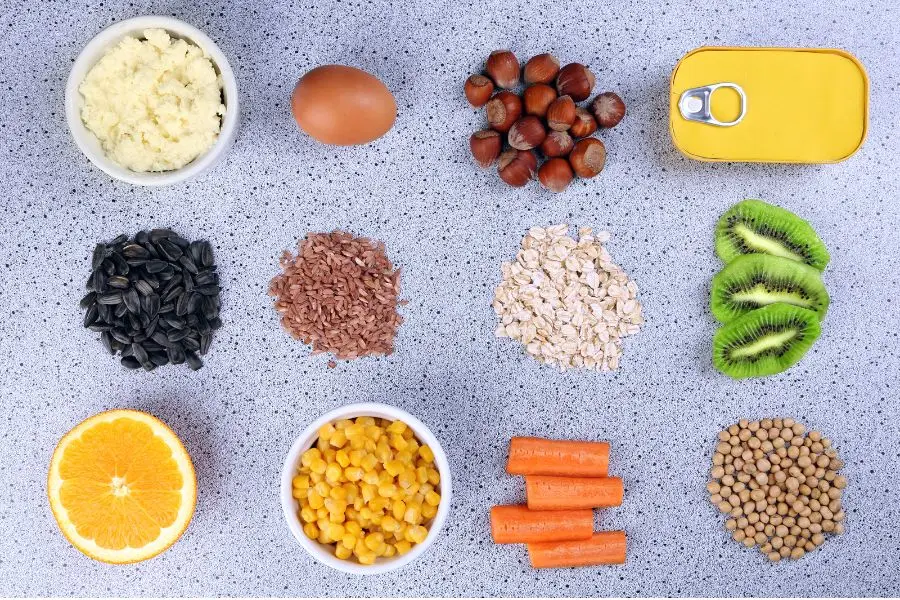
A growing body of research suggests that dietary fibre, found naturally in foods such as vegetables, fruits, legumes, whole grains, nuts and seeds, provides an essential source of nourishment for many of the beneficial microbes that live in the digestive system. Rather than concentrating solely on introducing new microorganisms through supplements or fermented foods, nutrition experts increasingly emphasise the importance of creating an environment in which existing microbial communities can thrive.
This subtle change has reshaped the public conversation about gut health. Instead of asking which supplement to buy or which product contains the highest number of probiotics, more people are beginning to ask a different question: how can I eat a more varied diet? It is a refreshingly practical shift in perspective, one that encourages colourful plates, seasonal produce and diverse ingredients rather than expensive solutions. As the science continues to evolve, the message appears remarkably consistent. Supporting the gut often begins with the simple foods that have always belonged in a well-balanced kitchen.
Restaurants are leading by example
This renewed appreciation for gut-friendly eating is also transforming professional kitchens.
Across the world, chefs are embracing naturally fermented ingredients, seasonal produce and house-made preserves, not simply because they contribute to wellbeing, but because they create extraordinary flavour.
Fermented chilli pastes, cultured butter, pickled vegetables, sourdough breads and homemade yoghurt have become signatures in many restaurants. At the same time, chefs are finding creative ways to reduce food waste by fermenting ingredients that might otherwise be discarded.
The result is food that feels deeply rooted in tradition while looking confidently towards the future.
Beyond wellness
Perhaps the most encouraging aspect of the gut health movement is that it has become less about perfection. There is growing recognition that good nutrition does not depend on eliminating entire food groups or chasing the latest miracle ingredient. Instead, it grows from consistency: cooking more often, eating a wider variety of plants, choosing seasonal ingredients, incorporating fermented foods where they fit naturally, and taking the time to share meals with others.
None of these habits are particularly glamorous, and few would describe them as revolutionary. Yet together they represent something far more meaningful than the latest dietary trend. They encourage a slower, more sustainable relationship with food, one built on everyday choices rather than dramatic transformations. Perhaps that is precisely why the conversation around gut health has endured. It asks us not to reinvent the way we eat, but to rediscover practices that many cultures have valued for generations.
Looking forward
Gut health remains one of 2026’s defining food stories, but not because it offers easy answers.
It reminds us that our relationship with food is richer than nutrition labels alone. It encourages us to think about variety instead of restriction, tradition instead of novelty, and long-term habits instead of quick solutions.
Science continues to deepen our understanding of the gut microbiome, while traditional food cultures continue to remind us that many of these principles have been quietly present for centuries.
The future of healthy eating may not lie in discovering entirely new foods.
It may lie in appreciating familiar ones with fresh eyes.
Did You Know?
The human gut is home to trillions of microorganisms, including bacteria, fungi and viruses. Together, they form the gut microbiome, a remarkably complex ecosystem that researchers continue to study for its role in digestion, metabolism, immune function and overall health.