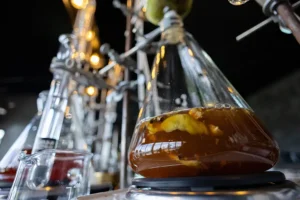
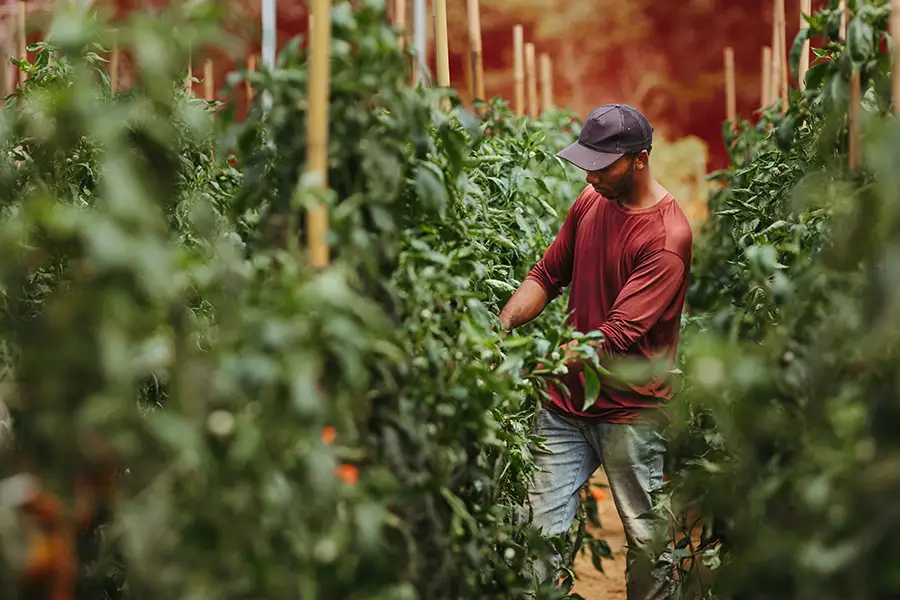

Fermentation is widely acknowledged for its culinary contributions, notably in the creation of foods like yogurt, cheese, and sauerkraut. However, its role is not confined merely to the kitchen. In the realm of agriculture, fermentation technologies are pivotal, offering innovative solutions that aid in the growth and sustainability of what eventually becomes our food. From biofertilizers to microbial soil enhancers, fermentation supports agricultural productivity in multiple dimensions.
Industrial biotechnology recognizes agriculture as a prime application area for fermentation processes. This acknowledgment results from fermentation’s multifaceted contributions to enhancing soil fertility, protecting crops, and improving livestock health. This article delves into the specifics of how fermentation is revolutionizing agricultural practices, ultimately increasing the efficiency and sustainability of food production before produce even leaves the field.
Biofertilizers and biopesticides
One significant application of fermentation in agriculture is in the production of biofertilizers. These are substances containing living microorganisms that, when applied to seeds, plants, or soil, boost nutrient availability and absorption by crops. Fermentation techniques allow the cultivation of such beneficial microbial consortia on a large scale, thereby promoting healthier and more fertile soils. This reduces the need for chemical-based fertilizers, thus supporting organic farming initiatives.
Similarly, biopesticides are developed through fermentation to combat pests that threaten agricultural yields. Unlike synthetic pesticides, biopesticides offer a sustainable solution with minimal environmental impact. Through fermentation, researchers can cultivate microorganisms that naturally deter or eradicate harmful pests, providing farmers with a natural and effective pest control strategy that helps maintain ecological balance.
Collectively, biofertilizers and biopesticides play a critical role in sustainable agriculture. By enhancing soil fertility and protecting crops without contributing to chemical pollution, they support environmentally friendly farming practices that are increasingly demanded in today’s eco-conscious markets. The fermentation process thus serves as a cornerstone technology enabling these advancements.
Fermented animal-feed additives and probiotics
Fermentation is also instrumental in improving the health and productivity of livestock through the development of animal-feed additives and probiotics. Feed additives produced via fermentation processes include essential nutrients, enzymes, and amino acids that enhance the nutritional value of fodder. This not only supports animal health but also boosts growth and productivity, leading to higher yields in dairy, meat, and other animal-based products.
In addition, probiotics for livestock are primarily developed through fermentation. These are live microorganisms that, when administered in adequate amounts, confer a health benefit on the host. Probiotics improve gut health, enhance digestion, and bolster the immune systems of livestock, reducing dependency on antibiotics and other medications, which is a significant advantage for maintaining healthier herds and flocks.
Microbial soil products
Microbial soil products created through fermentation are another key contribution to agriculture. These products, rich in beneficial bacteria and fungi, improve soil structure, increase nutrient availability, and support plant health. By introducing these microbes into the soil, farmers can cultivate more resilient crops that are better equipped to withstand stressors like drought and disease.
This use of fermentation to develop microbial soil products represents a shift towards more sustainable land use practices. These products help restore soil health, which is crucial given the significant soil degradation witnessed globally due to intensive agricultural methods. Microbial soil products offer an organic and cost-effective approach to soil reclamation, highlighting fermentation’s potential in environmental sustainability.
What is viable?
The practical implementation of fermentation in agriculture hinges on its ability to produce effective bio-products that are environmentally friendly and economically viable. For instance, fermentation-based biofertilizers regenerate soil health without relying on costly chemical inputs. This is especially valuable for small-scale farmers in developing regions, who benefit from improved yields without the financial burden of synthetic fertilizers.
Furthermore, fermentation technology in agriculture facilitates the production of biopesticides that reduce reliance on traditional chemical pesticides, which often lead to residual soil and water pollution. By harnessing naturally occurring microorganisms, fermentation creates targeted pest control solutions that protect crops while preserving surrounding ecosystems. Each application underlines the versatility and ecological importance of fermentation in creating more resilient and sustainable farming practices.