
As the long, sun-filled days of early summer begin to stretch out, our gardens and farmers markets come alive with an abundance of fresh produce. Among the many fruits and vegetables making their grand appearance, cucumbers take center stage. Known for their refreshing taste, cucumbers are synonymous with summer and serve as the perfect base for ferments.
Fermented cucumbers are a staple in kitchens around the world, offering a tangy, probiotic-rich treat that complements a variety of dishes. Recognizing the subtle differences between fermenting and pickling techniques can unlock creative culinary possibilities and reduce waste. This article explores why early summer is the prime time for creating these savory treats.
The abundance of early summer cucumbers
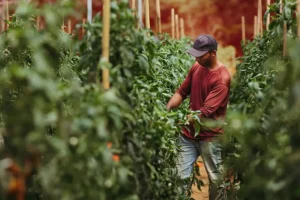
Early summer is when cucumbers flourish, basking in the warm weather and soaking up ample sunlight to reach their peak flavor. This season’s abundance is ideal for fermenting, as the sheer volume of cucumbers available allows for experimentation and large batches. Home gardeners often find themselves with more cucumbers than they can consume fresh, making fermentation the perfect solution.
Moreover, fermenting cucumbers at the peak of their freshness ensures maximum flavor preservation. Unlike pickling, which often relies on vinegar to achieve sourness, fermentation uses naturally occurring lactic acid bacteria. These microorganisms consume the sugars in cucumbers, producing lactic acid and giving fermented cucumbers their characteristic tangy taste. The result is a crisp texture and enhanced flavors, which can only be achieved when cucumbers are fresh and plentiful.
In addition, using cucumbers during their prime supports zero waste initiatives. Fermentation extends the shelf life of cucumbers, allowing you to enjoy their taste and nutritional benefits long after the harvest season has passed. This sustainable approach aligns perfectly with the increasing focus on reducing food waste and maximizing garden yields.
Fermentation vs. Pickling: Understanding the difference
While both fermenting and pickling aim to preserve cucumbers, they utilize different processes and ingredients. Pickling typically involves submerging cucumbers in a vinegar-based brine, focusing on acidity for preservation. This method is quick and straightforward, resulting in a pungent flavor profile imbued with added herbs and spices.
Fermentation, on the other hand, is a natural process involving microbial action. In the absence of oxygen, lactic acid bacteria convert sugars in cucumbers into lactic acid, acting as a natural preservative. This process not only creates complex flavors but also produces beneficial probiotics that promote gut health.
The art of fermentation is both an exact science and an age-old tradition. Successful fermentation requires an optimal environment: a consistent temperature range of 15-21°C (60-70°F) and salted water to create an anaerobic atmosphere. Unlike in pickling, the ingredients and technique in fermentation directly influence the final taste and texture, inviting creativity and customization.
How to ferment cucumbers
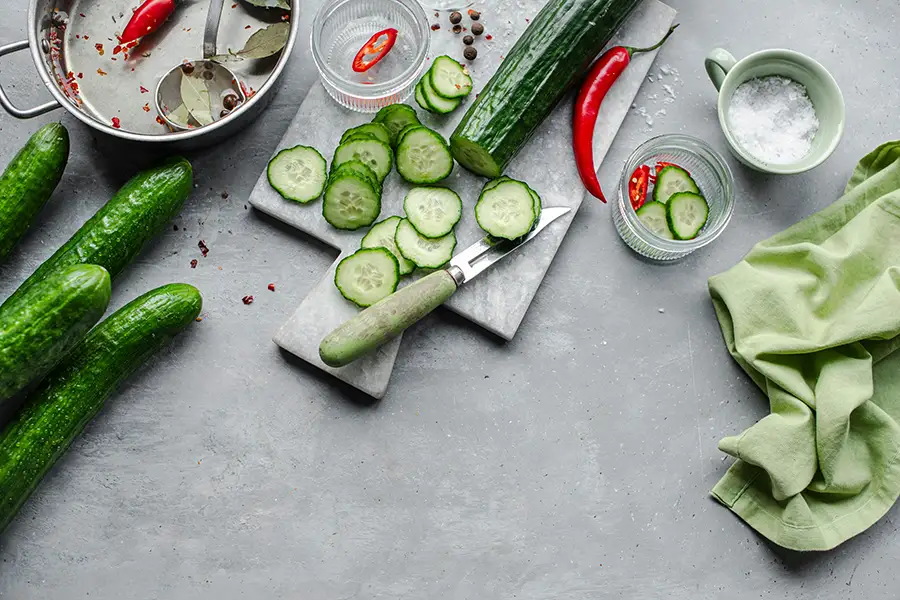
Preparing fermented cucumbers is a simple yet rewarding endeavor. Start by selecting the freshest cucumbers, washing them thoroughly, and slicing them into desired shapes. These can range from thick spears to thin chips, depending on personal preference. Submerge the slices in a brine made of non-iodized salt and water, ensuring the solution covers the cucumbers completely to maintain the anaerobic environment.
Once mixed, place the cucumbers in a fermentation vessel, ideally a jar with a tight-fitting lid to keep air out. Allow the cucumbers to ferment at room temperature for about 1-4 weeks, checking occasionally for taste and texture. The length of fermentation will influence the intensity of the tanginess, and cooler temperatures generally extend fermentation time. The best part is that, with a little patience, you can craft a homemade ferment tailored to your desired flavor profile.