
There is a profound shift happening in kitchens around the world. It’s not about new gadgets or complex recipes; it’s about going back to the basics. In an era obsessed with speed and convenience, the slow, mindful practice of fermentation, the ancient art of turning simple ingredients into complex, living food, has experienced a dramatic, vibrant comeback. What began as a necessity during the 2020 lockdowns, with millions tending to sourdough starters and brewing kombucha, has blossomed into a lasting cultural movement. Today, making fermented foods at home is more than a wellness trend; it is a creative, intentional lifestyle choice that connects us deeply to what we eat.
So, why are so many people turning their kitchens into fermentation labs? The reasons are compelling, rooted in a desire for superior flavor, tangible health benefits, and a gentle rebellion against the modern fast-food culture.
Alchemy of flavor, culinary awakening
Fermentation is celebrated by the world’s most innovative chefs as the future of flavor. It has moved decisively from a niche curiosity to a core culinary philosophy. Influencers like René Redzepi of Noma famously led this charge, arguing that fermentation is “a way to make cooking easier… and ultimately the future of cooking.” Beyond Noma, chefs such as Sam Cooper, known for his “land first cooking” ethos, describe it as “the alchemy of fermentation,” the beautiful transformation of simple ingredients into complex, punchy food. This high-level endorsement, alongside accessible bestsellers like The Noma Guide to Fermentation, has rapidly brought sophisticated techniques into home kitchens worldwide.
However, the real power of the movement lies in its cultural context. This practice is a deliberate act of resistance against the instant gratification of modern consumption. The patience, care, and hands-on effort required for fermentation stand in stark contrast to the speedy culture of fast food, making it a profoundly intentional lifestyle choice. Big media outlets reflect this shift, with kimchi and kombucha becoming staples, and major retailers like UK grocer Ocado reporting a 139% rise in searches for “fermented food”. Fueled further by food influencers and viral TikTok trends, this movement provides home cooks with a satisfying, “meditative and grounded” connection to the nourishment they create.
The power of probiotics and the gut-brain connection
The single biggest driver behind the DIY fermentation craze is the clear, proven health payoff. Fermented foods are a boon for gut health, a fact now widely understood through the scientific lens of the gut-brain axis. As Dr. Megan Rossi, a well-regarded gut health scientist, confirms, these foods significantly enhance digestion, supply beneficial bacteria, and contribute to overall wellness. The growing link between a healthy gut and better mental well-being has gained significant attention, prompting individuals to incorporate fermented foods for improved mood, resilience, and general vitality.
Beyond digestive benefits, fermentation also offers compelling nutritional advantages. The process is associated with heightened vitamin concentrations, such as vitamins K and B in homemade sauerkraut and kimchi, and a reduction in anti-nutrients. These attributes are especially relevant in today’s health-conscious society, offering potential benefits like immune support and even the possibility of lowering blood pressure. This sweet spot between gourmet taste and tangible wellness is exactly what pushes many to stop relying on supermarket shelves and start their own crocks at home.
The purity and value of homemade
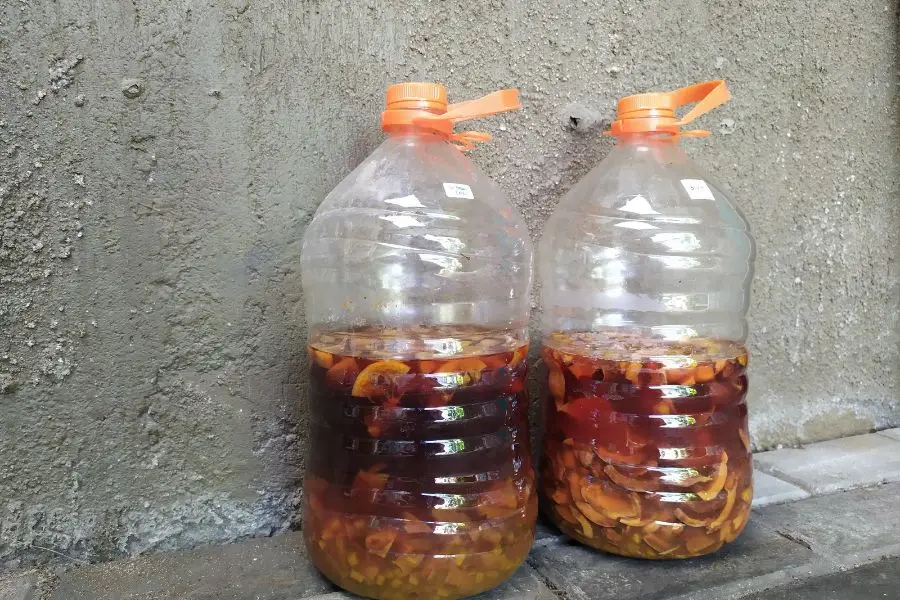
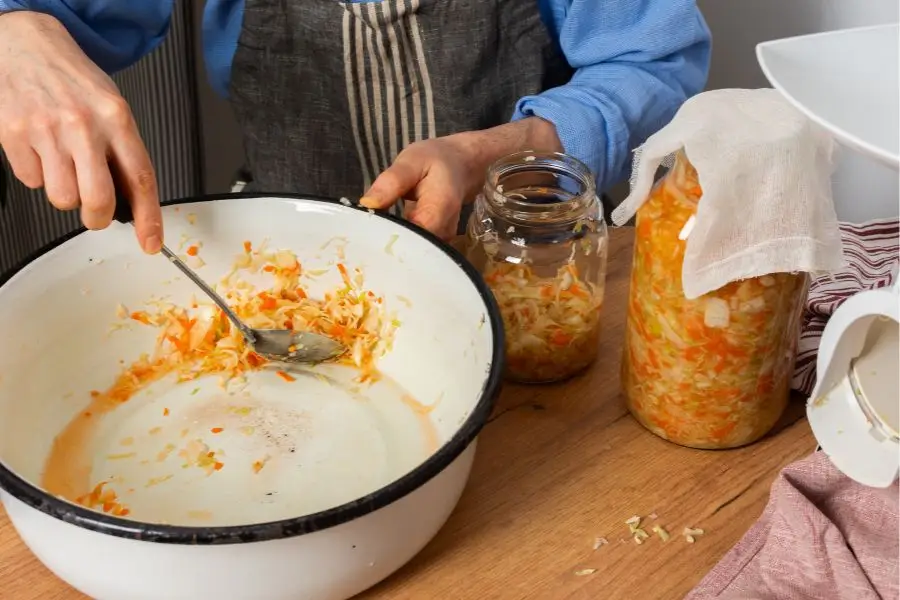
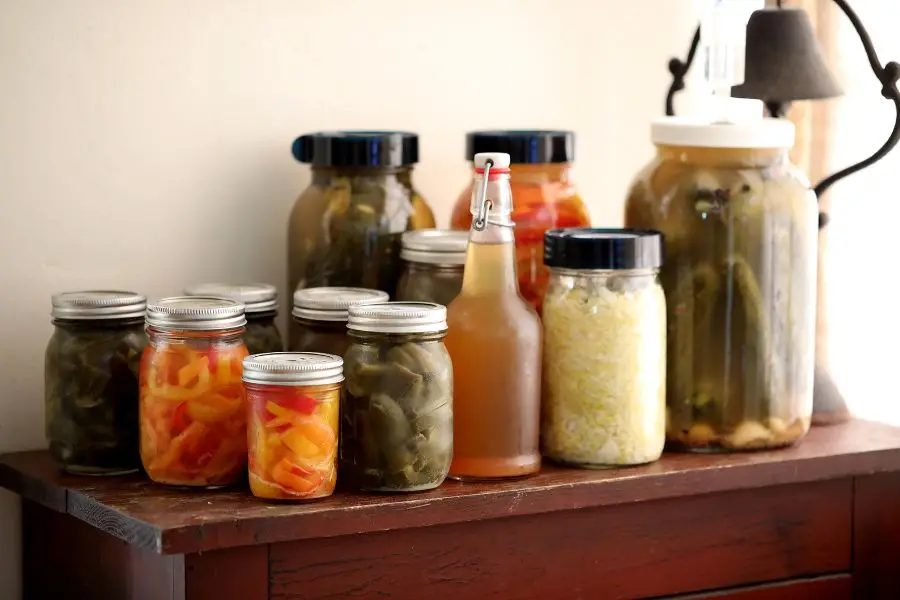
Why bother making it yourself when you can buy it ready-made? The answer lies in the critical difference between home and commercial products. Fermentation is the conversion of carbohydrates to alcohol or organic acids using beneficial microorganisms, a process that extends shelf-life and develops deep flavor while retaining live cultures. Crucially, many store-bought fermented products undergo pasteurization, which uses heat to kill off these beneficial bacteria, significantly diminishing the health benefits. Home fermentation guarantees your food is unpasteurized and brimming with the live cultures essential for a purer, more potent, and more flavorful experience. When you realize you can cultivate a more complex, punchy flavor profile than any mass-produced jar, while knowing exactly what’s going into your body, the transition feels less like a chore and more like a natural evolution.
Starting your journey: voices of the move
For those ready to dive deeper and transform their kitchen into a fermentation lab, these influential authors, chefs, and creators are essential guides to shaping a modern practice:
* Sandor Katz: The Fermentation Evangelist. Often called “The Godfather of Fermentation,” Katz is the most cited authority on the topic. His comprehensive book, The Art of Fermentation, explores techniques and traditions across cultures, while Wild Fermentation is a practical guide for beginners. Following his work is essential for understanding the history and breadth of the movement.
* René Redzepi and David Zilber: The Fine-Dining Authority. Chef Redzepi, whose restaurant Noma championed fermentation as the future of cooking, co-authored The Noma Guide to Fermentation, which introduced high-level, sophisticated techniques to home cooks. This work is a definitive guide for those interested in complex flavor profiles and innovative preservation.
* Kristina Cho ❤️: The Modern Home Cook. As a James Beard Award-winning author and food blogger, Cho demonstrates how to incorporate fermented ingredients into approachable and flavorful recipes. Her posts often feature ingredients like doubanjiang (fermented chili bean paste) and yuzu kosho (fermented citrus peel paste), showcasing their versatility in contemporary home cooking.