
Fermentation is a transformative process essential for crafting a range of enjoyable, effervescent beverages like kombucha and ginger beer. A fundamental element in this process is sugar, which plays a pivotal role beyond merely adding sweetness. It’s the energy source that fuels microbial activity, facilitating the fermentation process. However, not all sugars are created equal. The type of sugar used can significantly influence the fermentation’s speed, flavor, and overall success.
Understanding the different types of sugar and their effects on fermentation can greatly enhance your brewing endeavor. From the commonly used cane sugar to more nuanced options like honey and maple syrup, each sugar type interacts uniquely with the symbiotic culture of bacteria and yeast in your brew. Let’s delve into the various types of sugars suitable for fermentation and their specific impacts on the process.
Common sugars used in fermentation
White granulated sugar, often derived from cane or beet, is the standard choice for fermentation, such as in kombucha brewing. Its high fermentability and consistency ensure predictable results, making it an ideal option for beginners. White sugar does not impart any strong flavors, allowing the natural taste of the fermentation to shine through, thus maintaining a clear “classic” base.
Organic cane sugar shares similarities with regular white sugar, but appeals to those preferring less processed ingredients. It’s minimally processed and provides a reliable fermentation process while offering a slightly more natural flavor profile. This makes it a favored option among home brewers looking for more organic sourcing while maintaining fermentation effectiveness.
Furthermore, sugars like demerara, turbinado, and other “golden” sugars containing more molasses, resulting in richer flavors, can also be used. These sugars not only darken the brew but can also slightly speed up or alter the fermentation process due to the extra minerals they contain. These qualities can be advantageous when aiming for specific flavor profiles.
Exploring other sugar varieties
Brown sugar, an alternative that includes additional molasses, results in stronger caramel notes and a heavier flavor. While it can be appealing for certain batches like spiced or winter-themed brews, its varying moisture content may cause inconsistency. Therefore, brewers often revert to simpler sugars when troubleshooting issues.
Honey, particularly used in Jun tea, is noted for its antimicrobial properties, requiring a specialized culture adapted for it. While it can be unpredictable in standard kombucha brews, its unique fermentation process can add different flavor dimensions.
Specialty sugars and their impact
Alternative sugars such as maple syrup and coconut sugar introduce additional minerals and stronger flavors, which can influence the speed and acidity pattern of fermentation. These are best introduced once the brewer has mastered the process and is familiar with how different cultures react.
Although these sugars can impart intriguing flavors, they can sometimes produce undesirable results, emphasizing the importance of understanding each sugar’s potential effects before incorporating them into your fermentation experiment.
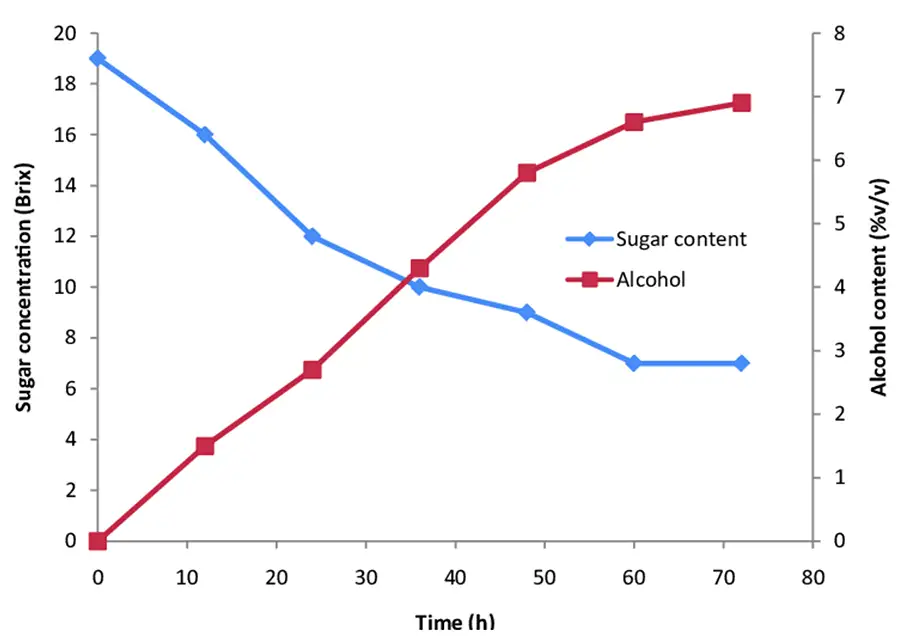
Fig.1 Changes in sugar concentration and alcohol content during fermentation in banana beer, via Wilson Parawira – Microbial and Biochemical Changes Occurring During Production of Traditional Rwandese Banana Beer “Urwagwa”
Conclusion
In fermentation, sugar serves as more than just a sweetening agent; it’s a crucial component that feeds the microbes responsible for transforming your brew. The choice of sugar affects not only the flavor of the final product but also the efficiency of the fermentation process itself. Using sugars like white cane provides a clean base to let the fermented product’s inherent flavors take center stage.
Additional sugar is necessary in fermentation when natural sugars present in vegetables, wheat, or fruits are insufficient for the desired brew outcomes. However, in cases where these natural sugars are abundant, such as in fruit ferments, added sugar may be unnecessary. Experimentation with different sugar types and fermentation times can help discover your preferred flavor profile, leveraging the strengths of each sugar type.