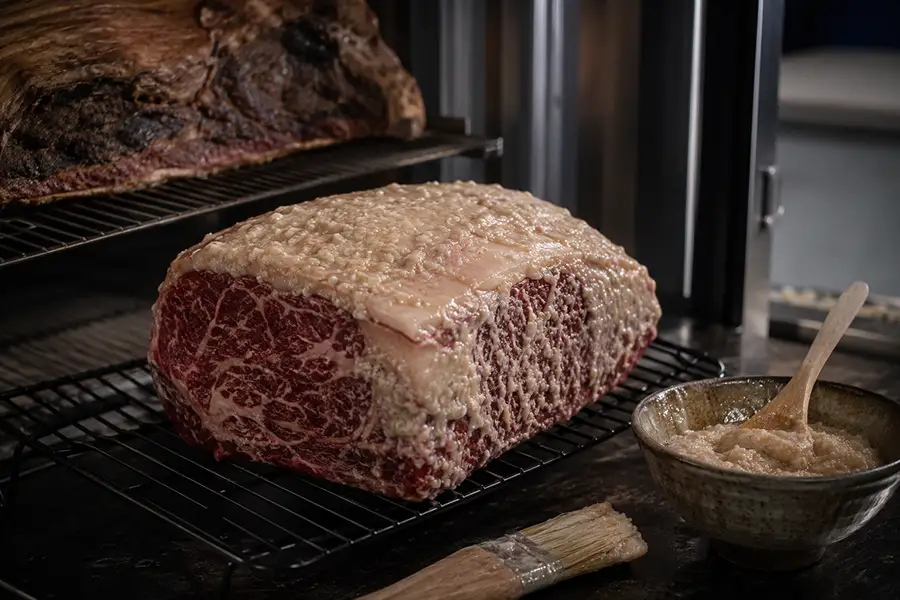

The culinary world is ever-evolving, and one contemporary trend gaining traction is the use of koji to mimic the traditional process of dry-aging meats. For those intrigued by the deep flavors and tenderness associated with dry-aged meats, koji presents an innovative and accessible alternative. This technique marries ancient fermentation practices with modern culinary creativity, promising food enthusiasts the opportunity to explore new depths of flavor in their home cooking.
Koji, a mold traditionally used in Japanese cuisine, has entered the spotlight for its enzymatic abilities to break down proteins and fats, mimicking the transformation that occurs during dry-aging. While the traditional dry-aging process requires controlled environmental conditions over weeks, using koji provides a shortcut without sacrificing the development of complex, umami-rich flavors. Let’s delve into how this remarkable mold can be employed to revolutionize your meat preparation methods.
What is Koji and how does it work?
Koji, scientifically known as Aspergillus oryzae, is a food-safe mold that plays a crucial role in fermenting several staple Asian ingredients, such as miso, soy sauce, and sake. The mold thrives on cooked grains, initiating a fermentation process that breaks down carbohydrates, proteins, and fats into simpler compounds. This breakdown releases amino acids and fatty acids, contributing to distinctive umami flavors and tender textures in foods.
In the context of meats, koji operates similarly: it catalyzes the breakdown of proteins and fats, albeit more rapidly than traditional dry-aging. This enzymatic activity enhances flavor profiles and results in improved texture. Shio koji, or wet koji, is particularly notable for its efficacy in this regard. Rubbing shio koji on meats allows its enzymes to penetrate the meat surface, facilitating the transformation process efficiently and effectively.
The beauty of using koji lies not only in its expedited results but also in its accessibility for home cooks. Where dry-aging requires specific conditions and time, koji allows for a more approachable method to achieve comparable outcomes.
Mimicking dry-aging with koji
Mimicking the dry-aging process with koji involves a straightforward procedure. The process begins with selecting a piece of meat, which could range from beef cuts to pork or chicken. The application of shio koji to the meat’s surface should be even and thorough, ensuring that all areas benefit from the mold’s enzymatic action. The meat is then refrigerated, allowing the koji to work its magic over 48 to 72 hours.
The key to this method is the moisture content in shio koji, which facilitates enzyme penetration and speeds up the breakdown of meat proteins and fats. Unlike dry-aging, which depends on controlled air exposure over weeks, koji provides a flavorful transformation in a fraction of the time, making it an attractive option for culinary enthusiasts seeking efficiency.
Post-treatment, the meat not only acquires a depth of flavor reminiscent of traditionally dry-aged products but also retains a level of succulence that enhances the dining experience. This process is particularly impactful for home cooks who crave gourmet results without the extended waiting period associated with traditional techniques.
Begin treating your meat now
Integrating koji into your culinary repertoire does not require advanced skills or complex equipment. The primary ingredient, shio koji, is readily available in Asian markets or can be made at home with rice koji, salt, and water fermentation. Since this component is heavy in moisture, it allows for a more dynamic interaction with meat, facilitating the rapid imitation of dry-aging.
Moreover, using koji enables cooks to experiment and customize flavors. The baseline provided by koji’s enzymatic action can be enhanced with additional seasonings or spices, allowing for a personalized taste experience. Whether aiming to impress dinner guests or simply elevate home-cooked meals, koji serves as an invaluable tool for exploring new taste horizons and culinary textures.