
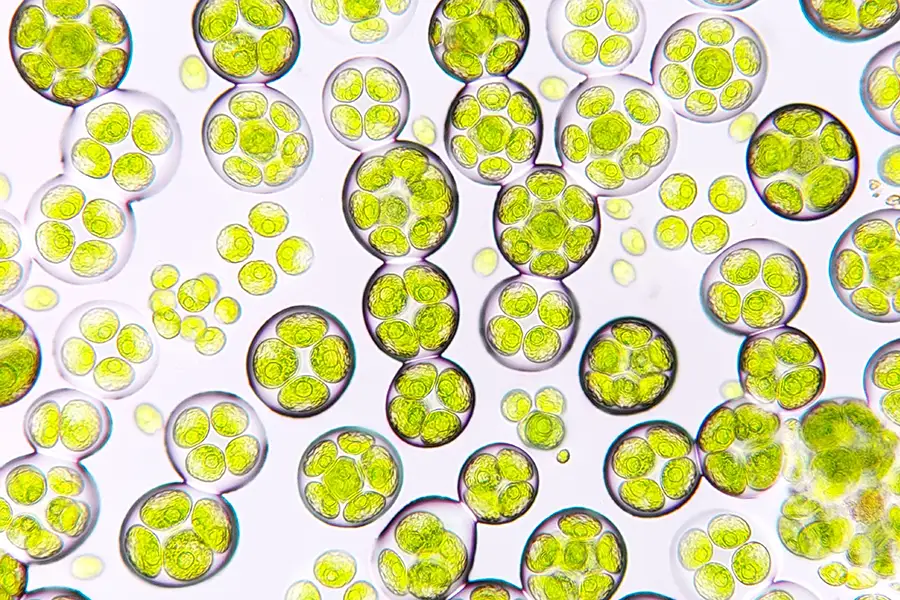

Microalgae are a diverse group of microscopic organisms that thrive in both freshwater and marine environments. Unlike their large cousins, macroalgae or seaweeds, microalgae consist of a broad variety of single-celled and filamentous species. They are uniquely adapted to an array of environments and can be found in various ecosystems across the globe. Rich in nutrients, they have become valuable in numerous sectors, including nutrition, cosmetics, and environmental management.
Microalgae are drawing growing interest due to their environmental sustainability and versatility. They are seen as potential game-changers in addressing food security and ecological challenges. With their ability to capture carbon dioxide through photosynthesis, they not only help mitigate climate change but can also be cultivated on non-arable land and in wastewater. This article delves into the multifaceted uses and benefits of microalgae, exploring their current and potential applications in detail.
Microalgae in nutrition and health
Microalgae are increasingly recognized for their nutritional benefits and are being used as ingredients in functional foods and feeds. These tiny organisms are powerhouses of lipids, proteins, carbohydrates, and essential vitamins, making them highly nutritious. Their ability to efficiently produce omega-3 and omega-6 fatty acids, vital nutrients that the human body cannot synthesize, places them as a sustainable alternative to fish oils. These fatty acids are crucial for maintaining heart health and supporting neurological functions.
In comparison to traditional protein sources, microalgae present a more sustainable option. They require significantly less land and water, which makes them an ideal protein alternative for a growing global population. With species like Spirulina being easily integrated into foods such as bread and vegetable creams, microalgae offer a promising protein boost in diets. This burgeoning market for microalgae-based protein underscores its potential in transforming global food systems.
Moreover, certain species of microalgae are rich in vitamins A, B, C, and B12, offering a broader spectrum of nutrients. As such, microalgae are being explored as sustainable sources of vital nutrients, helping address deficiencies that are prevalent in many regions. Their contribution to improved nutritional profiles of functional foods can be pivotal in promoting better health outcomes globally.
Environmental benefits and applications
The cultivation of microalgae serves ecological purposes beyond nutrition, notably in environmental management. One of their key advantages is their ability to grow on wastewater, facilitating nutrient recovery and pollutant removal. This process not only aids in water purification but also contributes to a circular economy by converting waste streams into valuable biomass. This characteristic makes microalgae an environmentally friendly and cost-effective method for waste treatment.
Furthermore, microalgae can be utilized as biostimulants in agriculture, enhancing crop productivity while reducing the need for chemical fertilizers. By incorporating microalgae into agricultural products, farmers can leverage their natural growth-promoting properties, ultimately boosting yield and soil health. This approach aligns with sustainable farming practices, minimizing environmental impact while increasing agricultural efficiency.
However, it’s important to note limitations concerning the use of microalgae grown in certain waste streams, as this can impose restrictions on their applications. Nonetheless, the role of microalgae in environmental applications remains a promising frontier, fostering innovation in sustainable waste management and agricultural practices.
Cosmetic and industrial applications
Beyond nutrition and environmental uses, microalgae have found their way into the cosmetics industry. They are utilized for their soothing and antioxidant properties, making them a desirable component in skincare products. Their rich content of pigments and bioactive compounds can enhance skin health, offering rejuvenating and anti-aging effects that appeal to consumers worldwide.
In the industrial sector, microalgae are being harnessed for producing biofuels and bioplastics. Due to their rapid growth rates and high oil content, certain species are being cultivated for biodiesel production. This application is particularly valuable as a renewable energy source, mitigating reliance on fossil fuels. Additionally, microalgae-derived bioplastics present an eco-friendly alternative to conventional plastics, reducing environmental pollution from plastic waste.
Controlled cultivation
The practical cultivation of microalgae involves controlled environments where factors like light, temperature, and nutrient supply are optimized for growth. This controlled cultivation not only enhances productivity but also ensures the consistent quality of microalgae biomass, essential for commercial applications. The scalability of microalgae farming allows for adaptation in various climates and settings, further enhancing their feasibility as a sustainable resource.
The processing of microalgae into final products involves sophisticated extraction and refinement techniques to ensure the preservation of valuable compounds like lipids and proteins. With advancements in biotechnology, the efficiency and cost-effectiveness of these processes are continually improving, paving the way for broader applications and market integration.