
Fermentation at home is a culinary adventure that invites creativity and innovation, a practice loved by countless home cooks. It’s a simple preservation method that transforms everyday vegetables into probiotic-rich delicacies. However, one crucial tool often needed for this process is the fermentation weight, which keeps vegetables submerged in brine, ensuring they ferment properly.
If you find yourself without fermentation weights, fret not! There are various household items that can serve as effective alternatives. Not only do these options ensure your veggies stay below the brine, but they also add a touch of personal flair to your kitchen experiments. Let’s explore these ingenious solutions to keep your fermentation journey going without a hitch.
Rocks in zip-lock bags
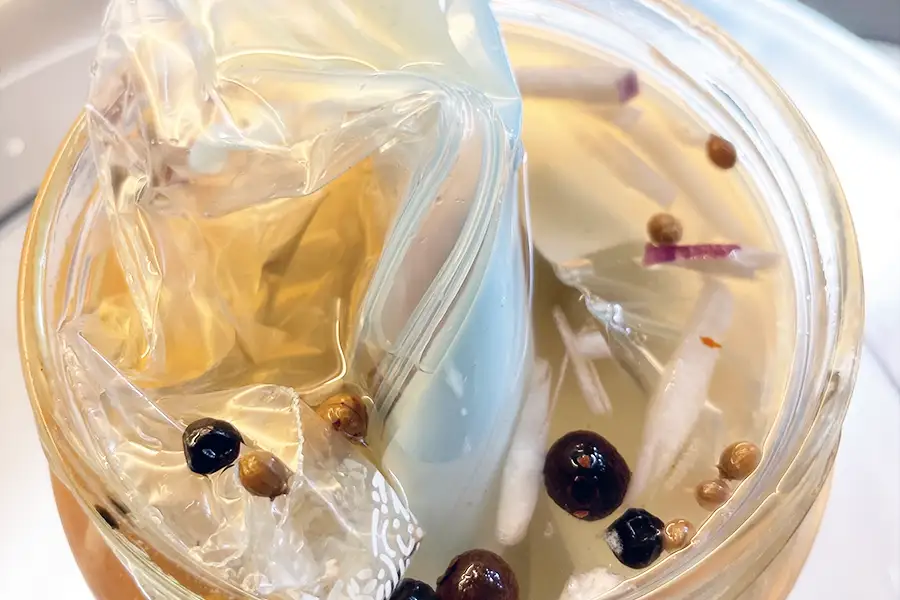
Perhaps the most straightforward and natural alternative to traditional fermentation weights is using clean rocks. Choose rocks that are clean and fit well into the opening of your fermentation jar. To ensure that they remain hygienic, place them in a zip-lock bag before inserting them into your jar.
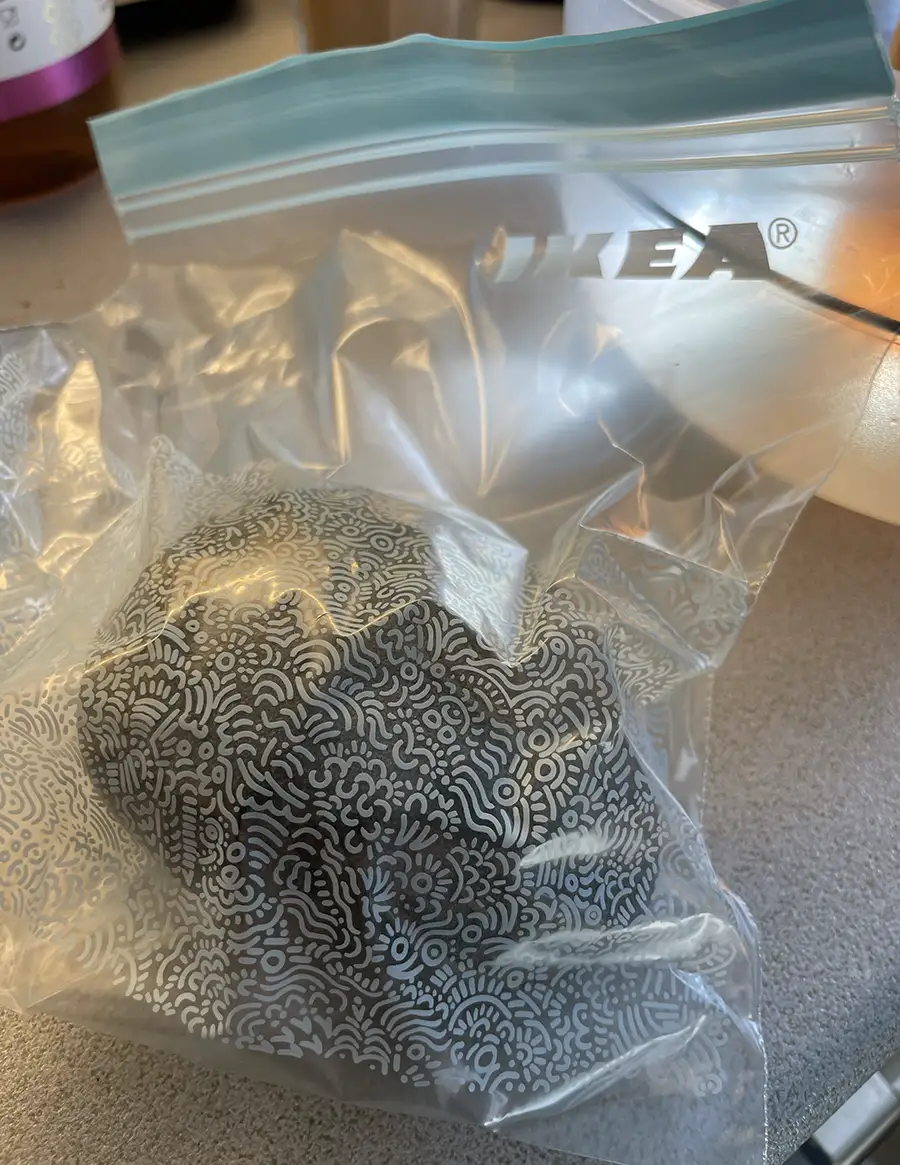
This method leverages the simple principle of displacement. By placing the bagged rock atop your vegetables, it effectively keeps the produce submerged. Don’t be alarmed if some brine spills out…this is a natural result of the Archimedes principle at work and is common during the fermentation process. To protect your countertops, place the jar in a larger bowl to catch any overflow. Finally, twist the lid back on, and your fermentation process is ready to progress smoothly.
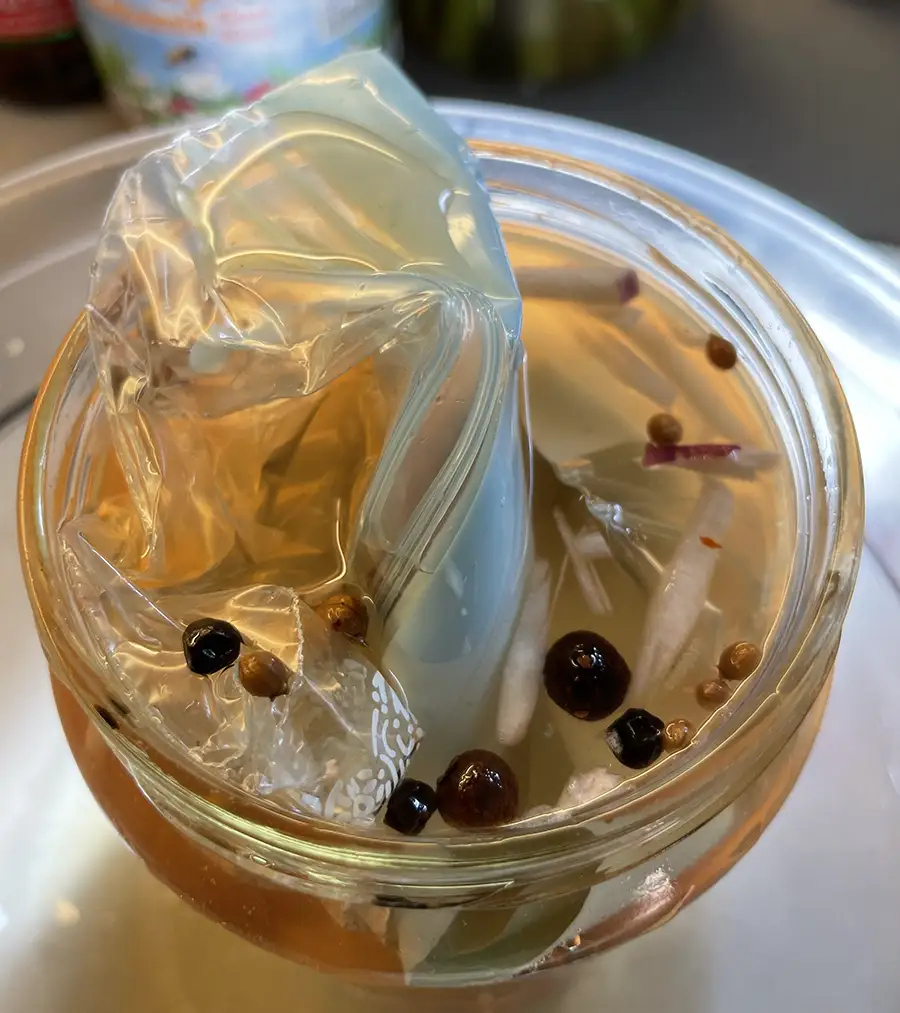
It’s a low-tech method that cleverly utilizes household items to achieve the same results as commercial fermentation weights. Plus, it adds a rustic touch to your fermenting experience.
Water-filled zip-lock bags
Another effective strategy involves filling a zip-lock bag with water. Fill the bag about halfway, ensuring that it is tightly sealed to prevent any leaks. This creates a makeshift weight that adapts well to the size and shape of your jar, maintaining even pressure across the vegetable surface.
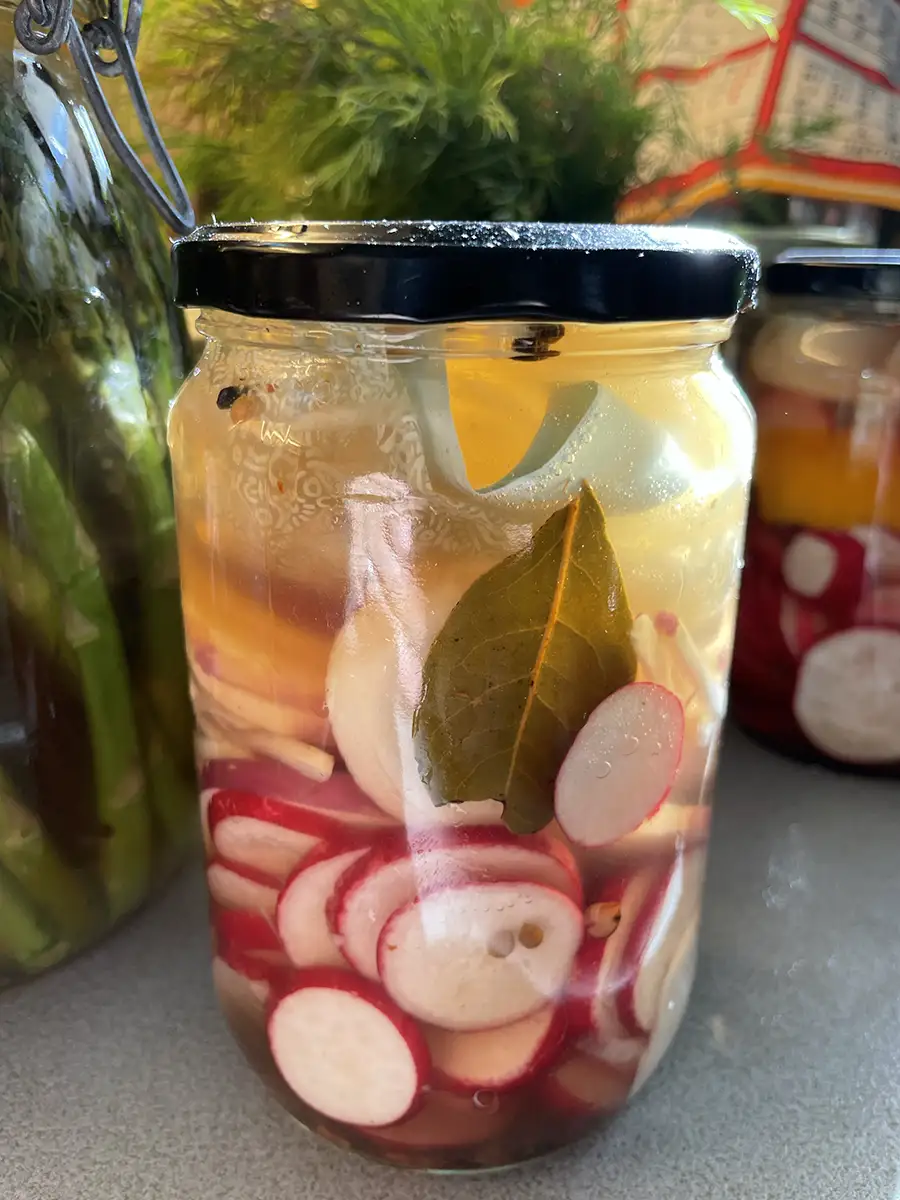
Water-weighted bags are particularly advantageous due to their flexibility. They can conform to various container shapes and sizes, providing optimal coverage and pressure over your fermenting vegetables. Additionally, the water inside the bag doesn’t interfere with the fermentation acidity or flavor.
This method is economical and sustainable, allowing you to enjoy the benefits of homemade fermentation without the need for specialized equipment. Furthermore, it’s a perfect solution if you’re approaching fermentation with spontaneity and need a quick fix.
Orphan lids and a bit of citrus
An innovative and resourceful approach involves using orphan lids that you no longer need. These can be large enough to provide coverage over your fermenting vegetables. Place the lid upside down—the top facing the vegetables—in the jar.
To add weight, put a small lemon or lime on top of the lid. Not only does this citrus fruit act as an additional weight, but it can also subtly enhance flavor as it releases its oils into the brine. This technique keeps your vegetables submerged and adds a layer of complexity to your final product.
This approach highlights the versatility and sustainability of kitchen improvisation, encouraging you to repurpose items you might otherwise discard. It’s a testament to how resourcefulness can flourish in the art of home fermentation.
Conclusion
All the methods mentioned above share one essential goal: keeping your vegetables below the brine surface. This is critical in preventing spoilage caused by exposure to oxygen. Ensuring complete submersion helps create an anaerobic environment, crucial for the growth of the beneficial bacteria responsible for fermentation.
While commercial fermentation weights are convenient and reliable, these homemade alternatives provide accessible and creative solutions that do not compromise the quality of your ferments. They emphasize the foundational science of fermentation while allowing for personal expression and resourcefulness in your kitchen practices.