
Select your top 5 fermented eats!

Explore the world of ancient, gut-friendly ferments – from traditional sauerkraut and savory olives to spicy peppers. Discover the flavor and health benefits of these probiotic-rich staples and rank your top five favorites.
Fungal fermentation turns farm byproducts into better animal feed
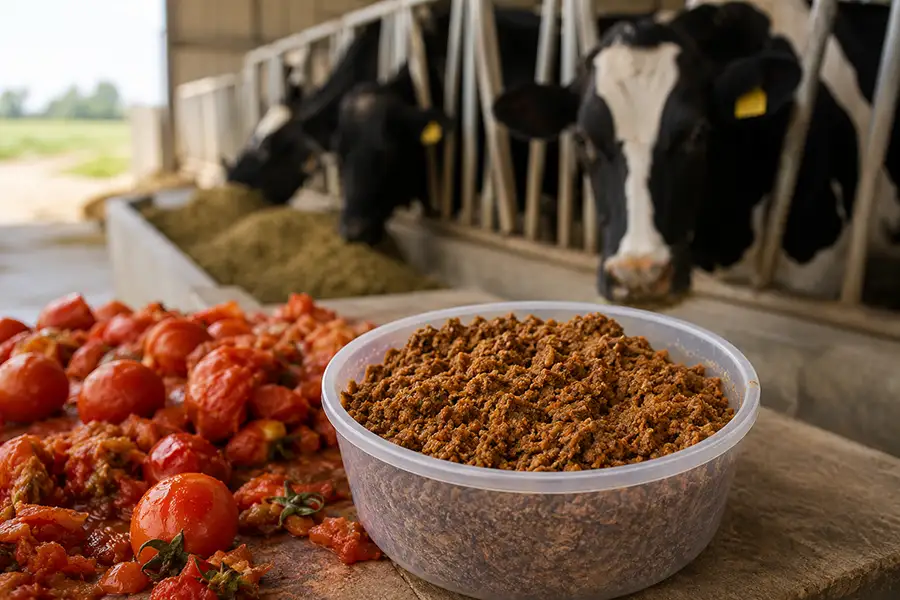
California startup Gilly is using fungal fermentation to transform tomato pomace and other agricultural byproducts into higher-protein animal-feed ingredients. Its first dairy pilot confirmed that cows would eat the fermented feed, but the claimed protein gains, cost savings, and commercial economics still require wider independent testing.
Fermented ketchup: a tangy, gently spiced ketchup with deeper flavour than the bottled kind
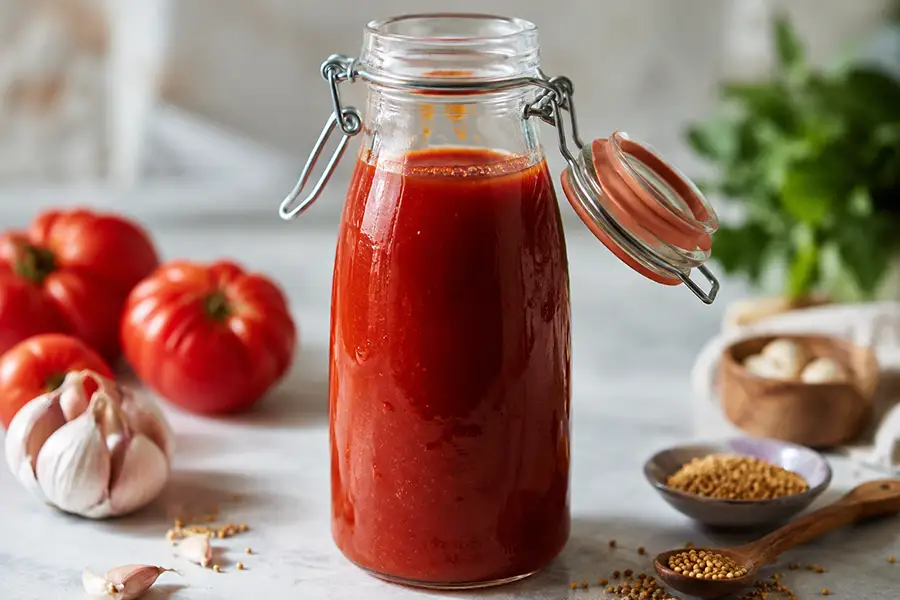
This fermented ketchup takes a familiar tomato condiment and gives it extra depth through live brine, gentle spices, and a short fermentation. Tangy, savoury, and softly sweet, it is perfect with roasted potatoes, sandwiches, fritters, burgers, and grilled vegetables.
The Noma Guide to Fermentation: A Home Cook’s Review
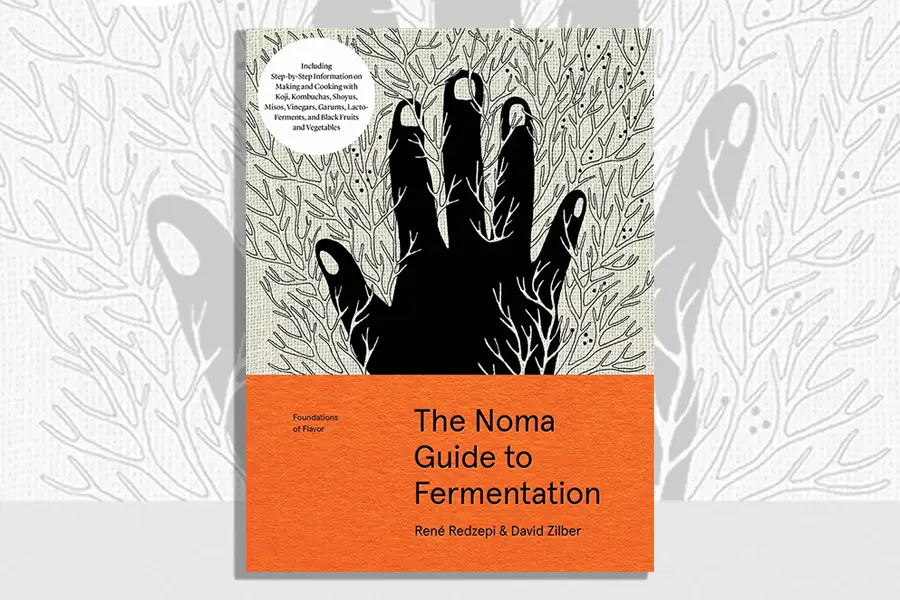
The Noma Guide to Fermentation by René Redzepi and David Zilber has a reputation that can feel slightly intimidating before you even open it. Noma, after all, is not a casual neighbourhood kitchen. It is one of the most influential restaurants in the world, known for pushing ingredients far beyond their obvious use. So, as […]
Alternatives if you don’t have fermentation weights
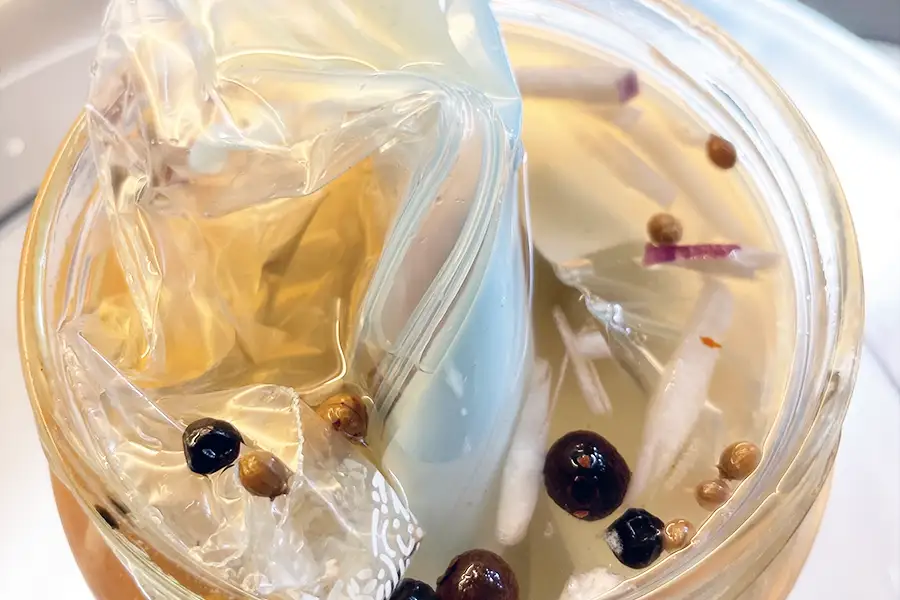
Here are some creative alternatives to fermentation weights with household items like rocks or water-filled bags for successful home fermenting.
Can fermentation help replace palm oil? A British startup thinks so

Clean Food Group uses precision fermentation to produce a palm oil alternative that cuts deforestation, reduces emissions, and stabilizes supply chains.
Fermented mustard seeds: a sharp, textured condiment with deep savoury warmth
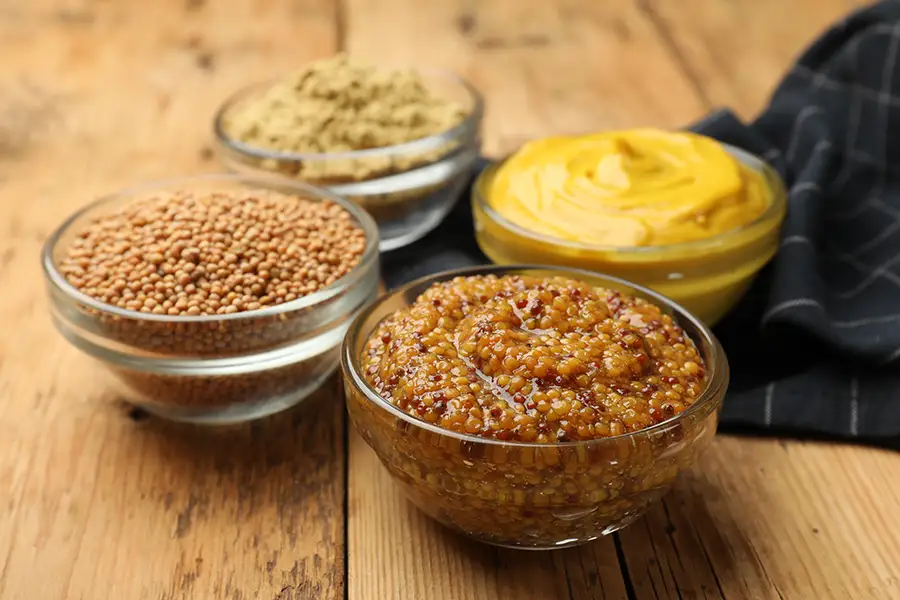
Fermented mustard seeds create a sharp, textured condiment with a tangy depth and gentle heat. Made with mostly yellow mustard seeds and a smaller amount of black or brown seeds, this simple ferment can be kept whole or blended into a rustic mustard for cheeses, roasted vegetables, sandwiches, eggs, and more.
Sour ingredients are having a cooking moment
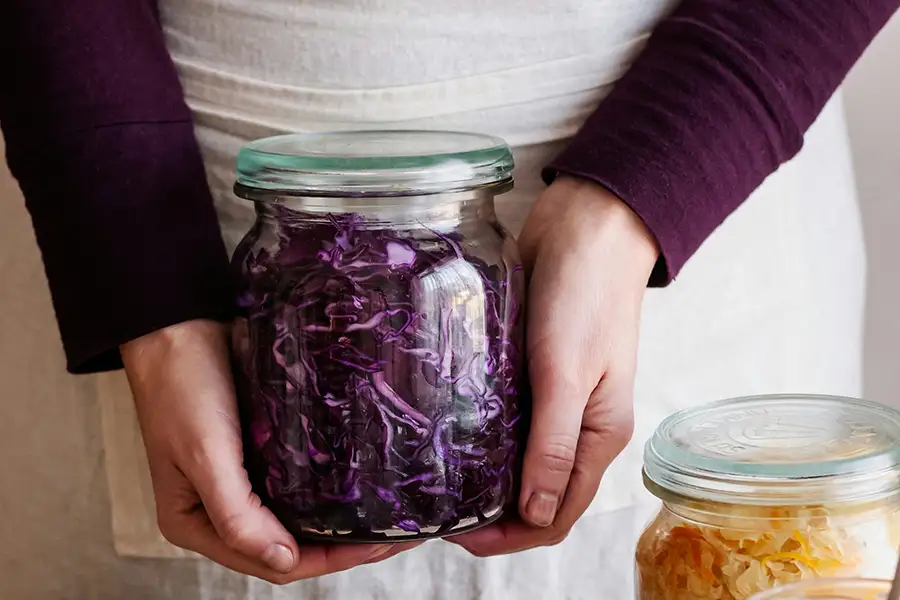
Washington Post’s article on “How sour ingredients unlock a world of flavor in home cooking” is spot on.
Homemade yoghurt with live cultures
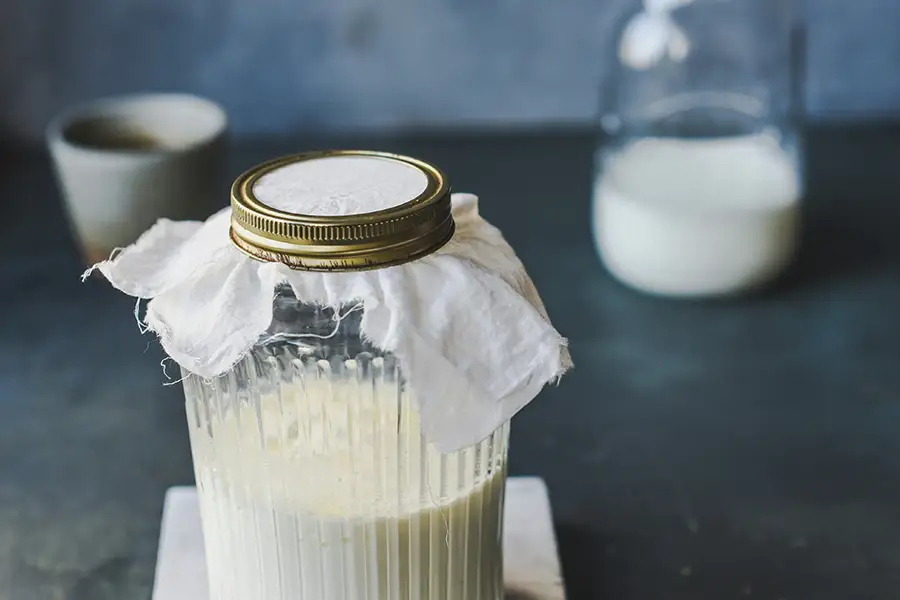
Homemade yoghurt is a simple dairy ferment made with milk and live cultures. By heating the milk, cooling it to the right temperature, and keeping it warm while the cultures work, you can create a creamy, tangy yoghurt at home with only a few ingredients.
Balkan ferments: cabbage, dairy, brines and living traditions
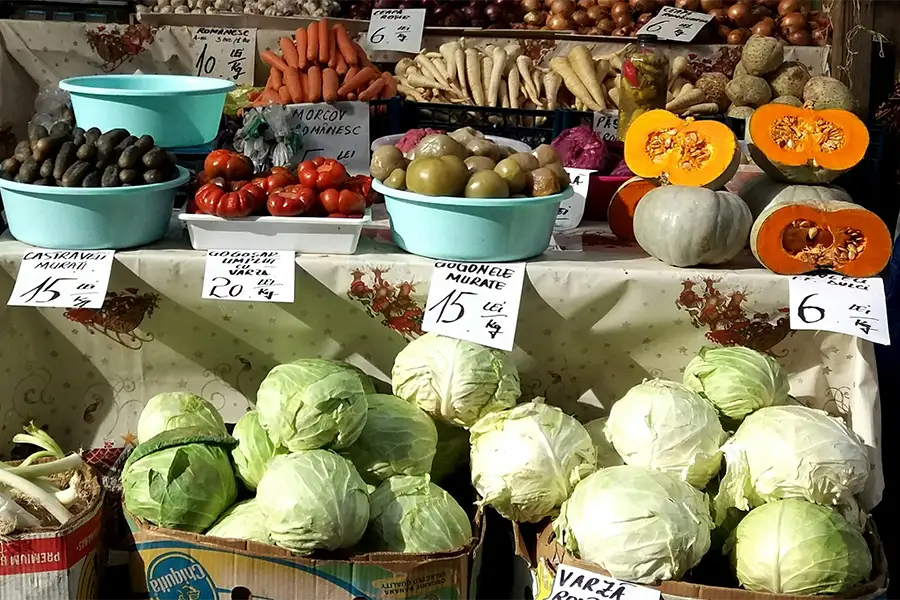
Explore the living traditions of Balkan fermentation, from whole sour cabbage and turšija to kiselo mlyako, boza, brined cheeses, and trahana. This article looks at how vegetables, dairy, grains, and drinks are transformed through salt, time, and microbial activity across the region.