
A recent Washington Post food piece looked at how sour ingredients, including fermented and pickled foods, can transform home cooking. The article discusses sauerkraut, pickled peppers, yoghurt, sour cream, fermented juices, and Eastern European souring traditions.
In recent culinary trends, sour ingredients are taking center stage, transforming the way we perceive flavor and enhancing our home cooking endeavors. This shift is largely fueled by the ancient art of fermentation, which not only contributes complex sour notes to dishes but also offers a gamut of health benefits. As more home cooks experiment with sour elements like sauerkraut, pickled peppers, and fermented juices, there’s a renewed appreciation for these bold flavors and their role in cooking.
The rise in popularity of fermented and pickled foods is also inspired by the diverse culinary traditions across the globe. In particular, the influence of Eastern European souring practices is notable in the contemporary food scene. These practices utilize sour cream, yoghurt, and other fermented elements to create rich, tangy flavors that elevate everyday meals. Given this sweeping culinary movement, it’s worthwhile to delve deeper into the science and art behind fermentation and how it transforms our kitchens.
The science of fermentation
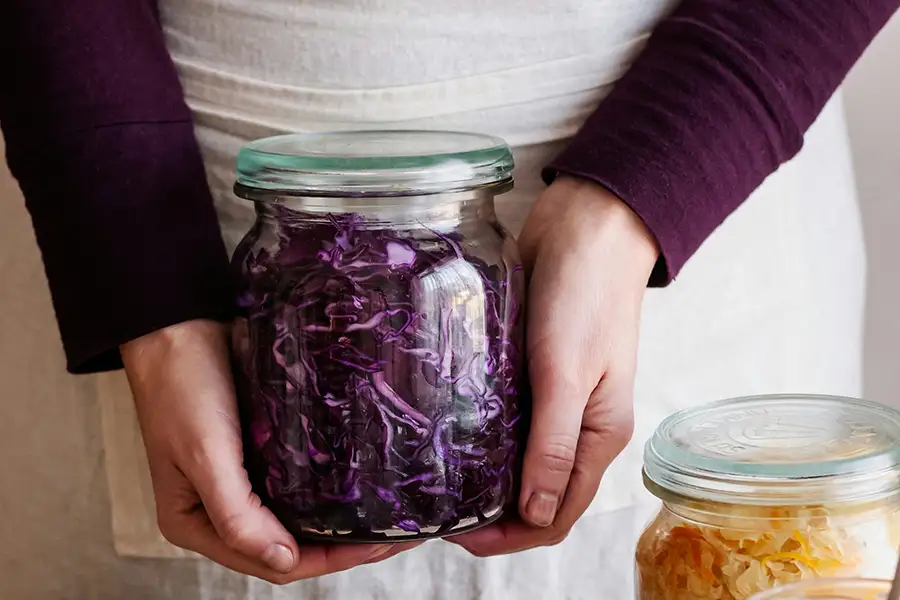
At its core, fermentation is a metabolic process that converts sugars into acids, gases, or alcohol using microorganisms; usually bacteria, yeasts, or molds. This intricate process not only preserves foods but also dramatically alters their taste and texture. For instance, the tangy crunch of sauerkraut or the vibrant zing of pickled peppers results from the activity of lactic acid bacteria, which thrive in an anaerobic environment to produce lactic acid as a byproduct.
Fermentation’s role in enhancing food flavor is twofold. Firstly, it develops complex taste profiles that balance and elevate other ingredients in a dish. For example, yoghurt’s creamy tang can soften spicy notes or add depth to otherwise bland foods. Secondly, fermentation often adds a healthy dose of probiotics, beneficial bacteria known to improve digestive health, which has propelled the popularity of fermented foods as functional culinary delights.
Moreover, fermentation is a testament to the art of patience and tradition in cooking. It requires precise conditions to cultivate the right microorganisms for the desired sourness and texture. This explains why home-cooked fermented foods can be particularly rewarding; they’re the result of a mindful engagement with time-honored preservation methods.
The role of fermentation in global cuisines
Globally, fermentation is woven into the culinary fabric of many cultures, each showcasing unique approaches to sour flavor integration. Eastern European cuisine, for instance, employs fermentation extensively. Classic dishes utilize sour cream and pickled vegetables, adding a refreshing contrast to richer and heartier components. Borscht, a staple beet soup, often includes a dollop of sour cream, enhancing the soup’s earthy notes with a tangy finish.
In Asian cuisines, fermentation has been pivotal for centuries. Fermented products like kimchi, soy sauce, and miso define the umami-rich profiles that characterize Japanese and Korean cooking. These ingredients not only introduce sourness but also serve as foundational flavor bases that anchor more intricate dishes. It’s this global appreciation for fermentation that showcases its versatility and wide-reaching appeal.
The sour ingredients making waves
The modern kitchen has welcomed a variety of sour ingredients, spurring a creative exploration of flavors. Among these, fermented juices and pickled foods are particularly popular. Fermented vegetable juices bring both sharpness and depth to marinades and dressings, offering a refreshing twist to conventional recipes. Their probiotic content also adds a health-conscious spin, appealing to those seeking nutrient-rich diets.
Sauerkraut and pickled peppers are other pantry staples gaining momentum. Where sauerkraut provides a milder, more briny punch to sandwiches and salads, pickled peppers contribute a fiery, vinegar-tanged zest that teams well with meats and roasted vegetables. These ingredients exemplify how fermentation allows cooks to manipulate acidity levels, creating unique-tasting meals that linger on the palate.
Embrace fermentation
In practice, incorporating sour ingredients into home cooking involves an understanding of balance and contrast. These flavors should complement rather than overwhelm a dish. For instance, a hint of sour cream can marry seamlessly with spicy or rich dishes, adding a cooling, creamy tang that tempers heat. Similarly, a splash of fermented juice can brighten soups or stews, cutting through the heaviness with lively notes of acidity.
For those venturing into fermentation, it’s important to grasp the basics of creating optimal microenvironments. Using sterilized equipment and maintaining the right temperature conditions are essential steps to ensure successful fermentation and prevent spoilage. As more home cooks embrace these traditional practices, sour ingredients will likely continue their ascent as vital components of everyday cooking.