
Let’s be honest: in the kitchen, we often toss around words like ‘fermented’ and ‘pickled’ as if they mean the exact same thing. But here’s the fun part: while both transform ingredients and create bold flavors, they rely on entirely different processes, leading to distinct tastes, textures, and health benefits. The confusion is totally understandable, but knowing the real difference is key. It’s not just about cooking better; it’s about choosing foods that truly nourish our bodies.
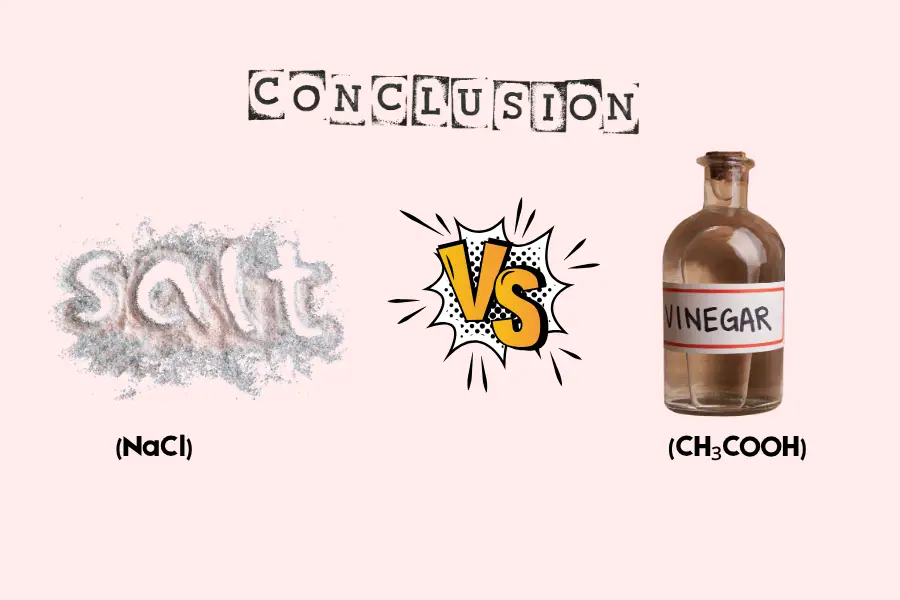
The primary distinction between fermented and pickled foods lies in the process used to achieve their characteristic tangy taste. While both methods involve preservation, fermentation relies on salt (brine) to encourage the growth of beneficial bacteria, offering probiotic benefits, whereas pickling uses vinegar to create a long-lasting, tangy product devoid of live probiotic cultures. This critical difference impacts not just flavor but also the health benefits associated with consuming these foods.
Understanding the difference
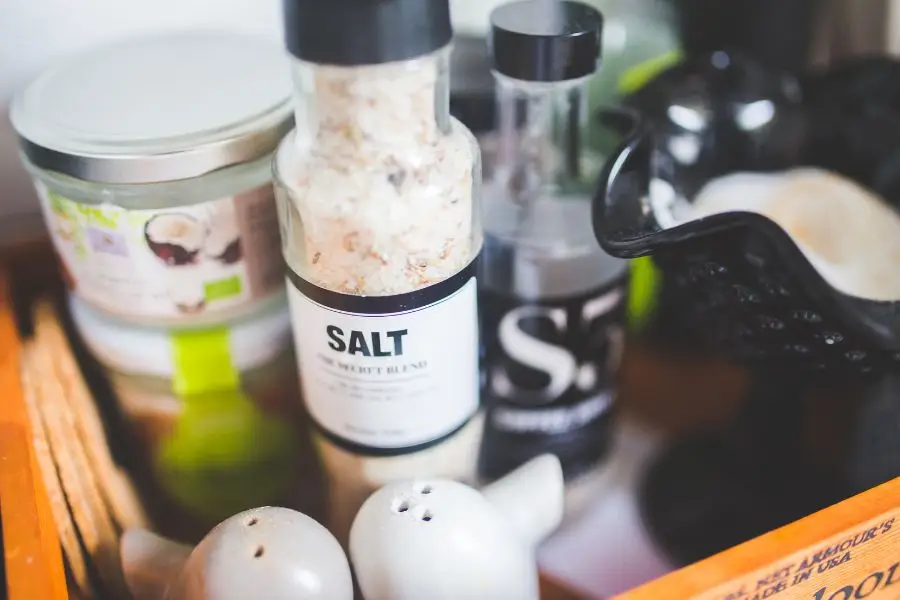
Fermentation is a natural process where beneficial bacteria, primarily Lactobacillus, convert sugars present in food into lactic acid. This conversion occurs in a brine solution created by adding salt to the food, which draws out water and creates an acidic environment where these bacteria can thrive. This transformation yields foods that are rich in live probiotics, B vitamins, and digestive enzymes, which are important for gut health and digestion.
In contrast, pickling involves immersing foods in a vinegar solution, acetic acid, which gives them a sharp, tangy flavor. By pouring hot vinegar over vegetables, the method effectively kills any existing microorganisms and preserves the food. The resultant pickled products are shelf-stable but generally lacking in live bacteria due to the preclusion of any biological activity by the vinegar. Because of this, pickled foods do not contain probiotics, making them nutritionally different from fermented foods.
A useful way to differentiate is by examining the storage conditions. Fermented foods are typically stored in the refrigerated section because they contain live bacteria that are active and beneficial only when kept cold. On the other hand, pickled foods that are shelf-stable are typically found at room temperature on supermarket shelves.
Do pickled foods have probiotics?
Despite their lack of live probiotics, pickled foods are not without benefits. They still retain most of the nutrients of the fresh vegetables used, and the vinegar base itself offers certain health benefits. Studies suggest that vinegar can help regulate blood sugar levels and slow down the digestion of carbohydrates, which can aid in managing appetite and energy levels throughout the day.
Additionally, pickled foods provide electrolytes such as sodium and potassium, which makes them quite popular among athletes who reach for pickled foods and juices to ward off muscle cramps during competition. However, due to the lack of live bacteria, they do not support digestive and gut health the way fermented foods do.
Do fermented foods have probiotics?
The simple answer is a resounding yes. Fermentation, particularly the natural process using a salt-water brine, is defined by the growth of live beneficial bacteria, often Lactobacillus, which convert sugars into lactic acid. When you consume genuinely fermented foods, such as unpasteurized sauerkraut, kimchi, or kefir, these live cultures (probiotics) survive the stomach’s environment and contribute to a healthier, more diverse gut microbiome. This process not only preserves food but also yields digestive enzymes and B vitamins, making these foods uniquely valuable for gut health.
What about lacto-fermented pickles?
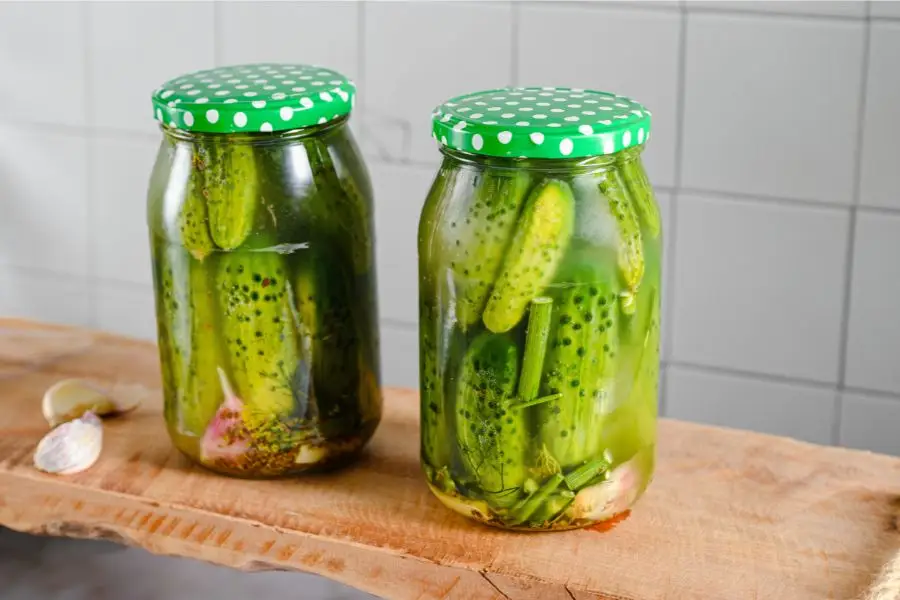
Though many assume pickled cucumbers are simply vinegar-preserved, the traditional lacto-fermented cucumbers offer a delightful exception. These cucumbers undergo fermentation in a saltwater brine, allowing them to develop a complex, tangy flavor enriched with probiotics. A truly fermented product can be identified by its refrigerated status and a simple ingredient list devoid of vinegar, featuring merely cucumbers, water, salt, and perhaps spices like garlic or dill. This form of fermentation maintains active cultures that offer the same benefits as other fermented foods, making them a more gut-friendly option.
Conclusion
To easily identify fermented versus pickled foods, consider the storage methods and ingredient details. Fermented foods like sauerkraut, kimchi, and miso undergo natural lactic acid fermentation, avoiding vinegar entirely, and are always stored cold to preserve probiotic activity. Moreover, these foods typically contain minimal ingredients and lack preservatives, focusing on nurturing beneficial microbes.
On the opposite, pickled foods prioritize preserving flavor and texture using vinegar, resulting in a consistent tang and crunch that remains stable without refrigeration. They might include additional spices and flavorings, heightening their culinary appeal while eliminating live bacteria. Whether for flavor, nutritional content, or probiotic benefits, understanding these differences enables better selection of foods that align with dietary needs and preferences.