

Fermentation is an age-old practice used to preserve food naturally, long before modern technology was available. When it comes to vegetable fermentation, the process is generally safe. This safety is largely due to the beneficial bacteria, specifically lactic acid bacteria, that dominate the environment, creating conditions uninhabitable for harmful pathogens.
Despite this safety record, recognizing when a ferment has gone bad can be daunting for beginners. Fortunately, our senses are powerful tools in determining the health of a ferment. Smell, sight, and taste are the most reliable indicators of whether your fermentation remains safe to consume. This guide will explore the signs that may indicate a spoiled ferment, as well as provide tips for ensuring ongoing safety.
Sensory indicators of a spoiled ferment
At the heart of identifying a bad ferment lies our sensory powers. Each of our senses -smell, sight, and taste- offers clues, helping us gauge the condition of the fermentation process. Understanding these cues will give you the confidence to assess your batches effectively.
The olfactory experience is often the first hint of trouble. Typically, healthy ferments emit aromas that are tangy, sour, or pickle-like. These scents reassure you that the lactic acid bacteria are hard at work. However, if faced with rotting or putrid odors, a sulfuric stench, or anything that makes you instinctively pull back, the ferment is likely unsafe and should be discarded.
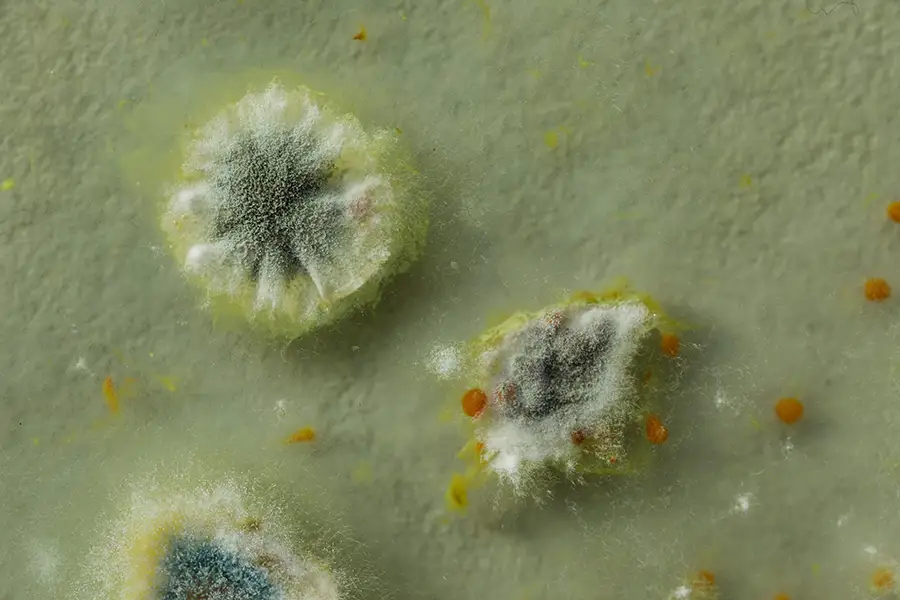
Visual cues play an equally crucial role in evaluating ferments. Normal signs include cloudy brine, small bubbles, white sediment, and slightly changed vegetable colors. These are expected as microbes break down natural sugars. On the other hand, visible fuzzy mold or vibrant patches of color signify the intrusion of unwanted microbes. These instances typically occur due to exposure to oxygen, often when vegetables are not submerged adequately. Any such growth warrants discarding the ferment.
Taste as a final check
Taste is the final tool in your sensory arsenal, useful once the smell and sight tests are passed. A healthy ferment is characterized by a pleasant sourness, a balance of salty and tangy flavors, and an occasionally fizzy texture. These flavors indicate a successful lactic acid build-up. However, if a taste test reveals bitterness, a metallic flavor, or a rotten and harsh profile, it’s prudent to discard the batch.
If you encounter these unpleasant flavors, it suggests the fermentation process has diverted from its usual path, and continuing to consume it could pose a risk to your health. Trust your taste buds; they are evolved to detect harmful, unsafe flavors.
Unmistakable signs to discard your ferment
While some changes in your fermentation jars are expected, certain signs should alert you to toss the batch altogether. Mold, particularly blue, pink, green, or black patches, is a primary indicator. Such mold shows that the protective environment of the ferment has been compromised.
Besides visual and olfactory signs, the brine’s condition can offer insights. Slimy, stringy brine or completely disintegrated vegetables into mush are clear signs your ferment has gone bad. If the brine becomes sticky or brine levels drop without environmental reasons, this disturbance could signal spoilage.
Given these conditions, erring on the side of caution is wise. Ingredients for fermentation are relatively inexpensive, and starting anew is preferable to consuming an unsafe product.
Conclusion
Your primary defense against spoiled ferment lies in understanding how fermentation works and why it’s generally safe. Salt helps by slowing harmful microbes while encouraging lactic acid bacteria. As these bacteria flourish, they lower the pH, which increases acidity and further keeps harmful pathogens at bay. Ensuring vegetables stay submerged is critical, as it limits exposure to oxygen around the produce.
To prevent spoilage, regularly monitor your vegetables’ submersion and the brine levels. Consistent oversight will help maintain the desired conditions for safe lacto-fermentation. Should problems arise, such as mold or unpleasant smells, recognizing them and knowing when to discard the batch ensures your health and safety are prioritized confidently.
Do the research
More research online can help you identify a specific change to your fermentation that troubles you. We would recommend Revolution Fermentation’s post here for a deeper dive.