
A book that teaches patience. Fermentation is not about controlling nature; it is about collaborating with it.
“The Art of Fermentation” by Sandor Ellix Katz stands as an extraordinary guide in the realm of food science, unraveling the complex yet fascinating world of fermentation. This book, published by Chelsea Green Publishing in 2012, has been acclaimed as a cornerstone in contemporary fermentation practice, earning the prestigious James Beard Foundation Book Award in 2013. Katz’s work not only provides insightful explanations into the science behind microbial processes but also bridges cultural histories, making the art of fermenting accessible to all, from novices to experienced practitioners.
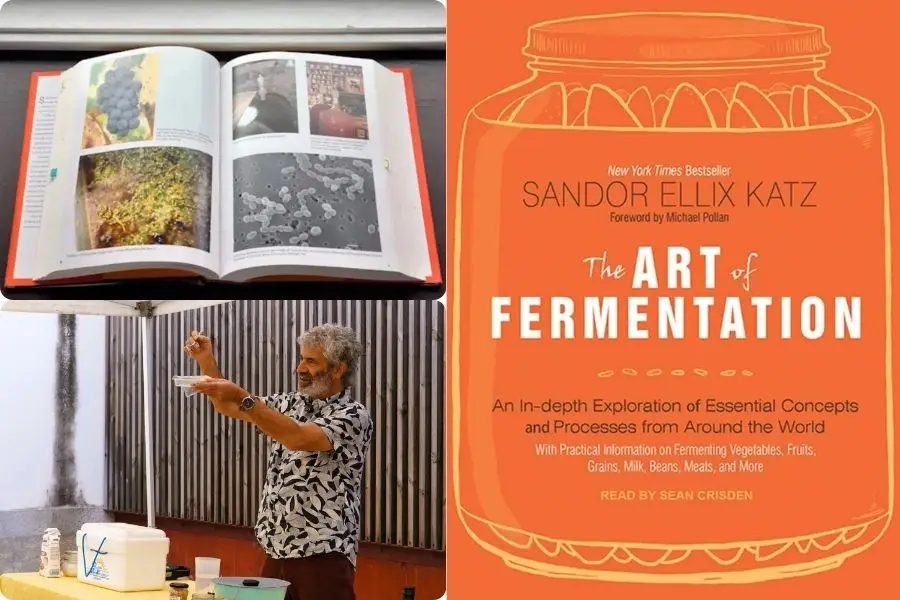
Background and purpose
Building on Katz’s earlier work, Wild Fermentation, this book expands from recipes into a deep exploration of fermentation as both art and ecology. Katz situates fermentation within global traditions and everyday practice, emphasizing its accessibility to home cooks and its importance to cultural sustainability.
Content and structure
The book is organized thematically, covering fermented vegetables, dairy, grains, legumes, beverages, and more. It includes practical guidance on equipment, safety, and experimentation, supported by detailed discussions of microbial activity. Katz’s writing blends technical insight with personal experience, encouraging creative, adaptive methods over rigid recipes. His dedication to elucidating the biology and cultural facets of fermentation offers readers confidence to embrace these techniques with ease and impunity.
Cultural and scientific impact
The Art of Fermentation helped catalyze a renewed global interest in traditional food preservation and microbial cuisine. Its holistic perspective bridges science and culture, influencing chefs, food activists, and microbiologists. The book is frequently cited in academic and culinary circles as a seminal reference on the living nature of fermented foods.
Reception and legacy
Notable for its practical applications, Katz’s book is praised by esteemed publications, including The New York Times, which named it one of the 25 most influential cookbooks from the past century. The incorporation of expert tips and troubleshooting guides further complements its appeal, making it a reliable resource in understanding and executing fermentation. The book’s success elevated Katz’s status as a leading voice in the modern fermentation revival, inspiring workshops, research, and a global community of fermenters.
Applying Fermentation Beyond the Kitchen
Beyond food preservation, “The Art of Fermentation” explores the broader applications of fermentation techniques, extending its relevance to fields such as agriculture, art, and energy production. Katz sheds light on how fermentation can innovate these domains, demonstrating its potential in sustainability and creative endeavors.
“The Art of Fermentation is an extraordinary book, and an
impressive work of passion and scholarship. It lays the foundation
for fermenting all kinds of foods, and whoever reads it will be able
to negotiate any recipe for ferments (and conquer any lingering
nervousness about fermentation) with impunity. I am so
impressed—and ready to begin! Thank you, Sandor Katz.”
-Deborah Madison, author, Vegetarian Cooking for Everyone and Local Flavors