
The Reading Sardines
The Reading Sardines is our growing library of salt-stained pages, thoughtful kitchens, wild gardens, and slow food ideas. A place for books that nourish curiosity as much as appetite.
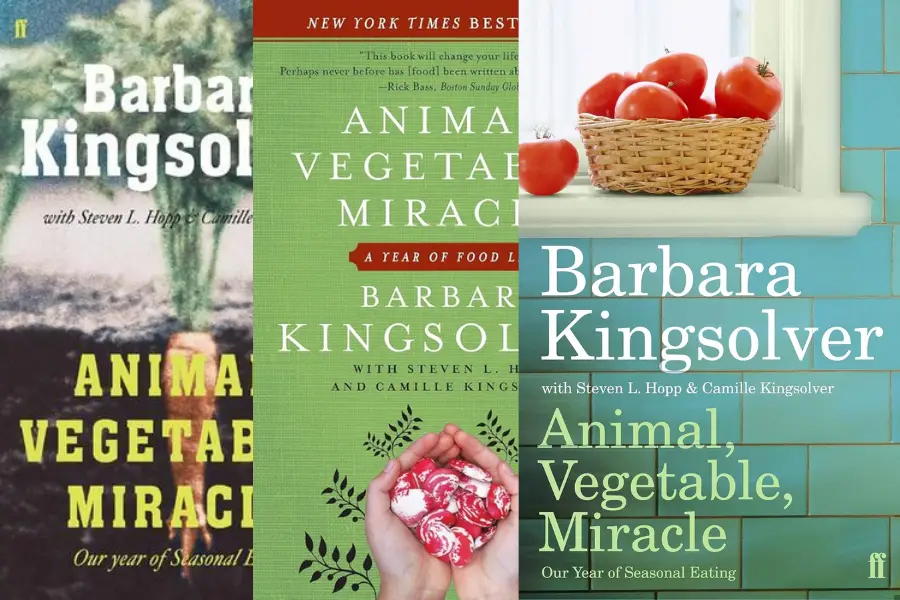
Few books have inspired readers to rethink the relationship between food, community, and the changing seasons quite like Animal, Vegetable, Miracle by Barbara Kingsolver. First published in 2007, this thoughtful blend of memoir, environmental journalism, and cookbook chronicles one family’s commitment to eating locally for an entire year. More than a personal experiment, it has become a modern classic for anyone interested in sustainable food systems and the quiet pleasures of seasonal living.
Background and purpose
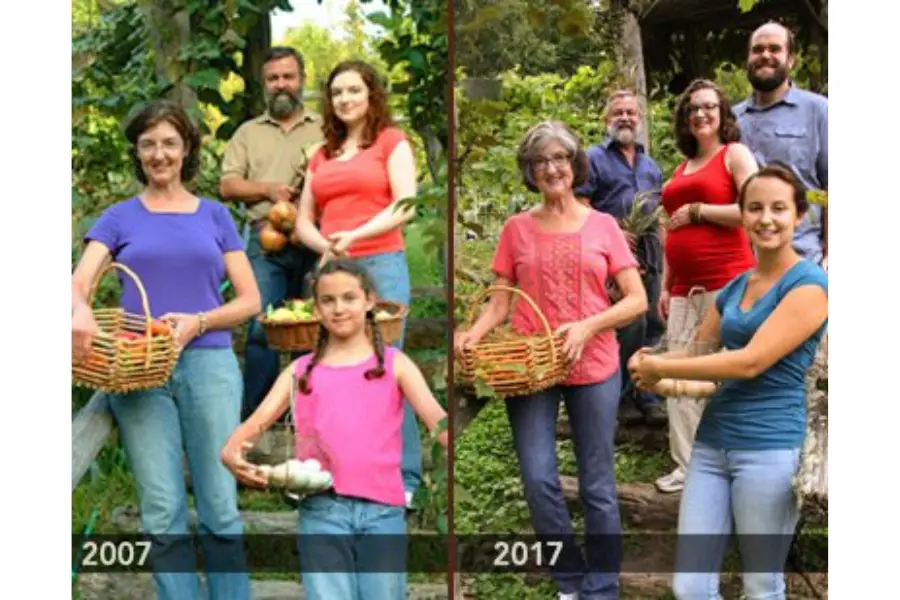
The book began with a simple question: What would happen if a family chose to eat only what they could grow themselves or source from nearby producers? Kingsolver and her family left city life behind to settle on a farm in rural Virginia, where they embraced the rhythms of local agriculture. Rather than presenting sustainability as sacrifice, she reveals it as an invitation to rediscover abundance, flavour, and community.
Content and structure
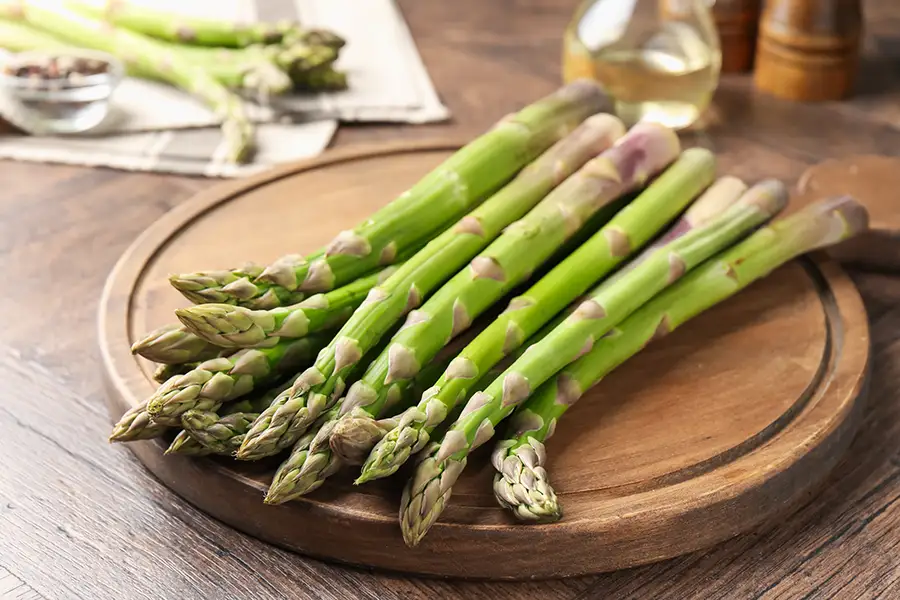
Part memoir, part investigative writing, and part cookbook, the book moves gracefully through the seasons. Readers follow the planting of gardens, the arrival of asparagus, the excitement of tomato harvests, and the challenges of eating with nature instead of against it.
Recipes, essays, and practical observations are woven throughout the narrative, while contributions from family members enrich the story with nutritional insights and personal reflections. Kingsolver’s elegant prose makes environmental questions feel deeply human, connecting everyday meals with larger conversations about farming, biodiversity, and food culture.
Cultural and environmental impact
Long before “farm-to-table” became a familiar phrase, Animal, Vegetable, Miracle encouraged readers to consider the environmental cost of industrial food systems and the value of supporting local farmers. The book has inspired countless home gardeners, community-supported agriculture members, and curious cooks to reconnect with seasonal ingredients.
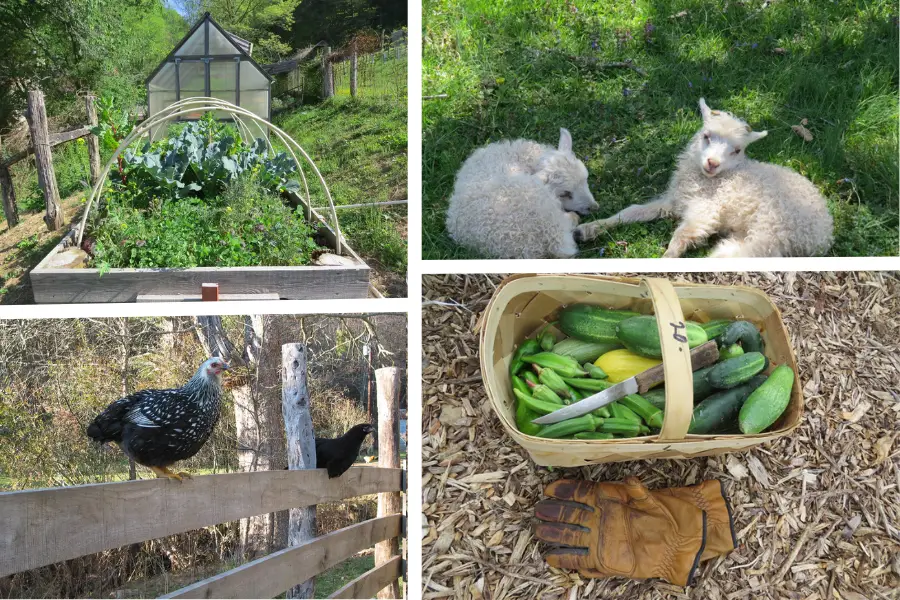
Its message remains remarkably relevant today, reminding us that small choices like shopping locally, preserving summer produce, or simply learning what grows nearby can collectively shape a more resilient food culture.
Reception and legacy
Widely praised by readers, chefs, environmentalists, and critics alike, the book has become a touchstone within the sustainable food movement. Reviewers consistently celebrate Kingsolver’s ability to combine careful research with heartfelt storytelling, making complex environmental issues approachable without losing their emotional resonance.
Nearly two decades after its publication, Animal, Vegetable, Miracle continues to appear on recommended reading lists for gardeners, food lovers, and anyone seeking a slower, more intentional relationship with what they eat.
A place on our shelf!
For readers of Brine & Bloom, this book feels like a companion to a slower kitchen.
It belongs beside jars of fermenting vegetables, handwritten recipes, seed catalogues, and cookbooks marked with notes and stains. It reminds us that preservation is not only about saving food, it is about preserving knowledge, traditions, and our relationship with nature. This is not simply a book about food. It is a book about paying attention.
“Every meal tells the story of a place. This book teaches us to listen.”