
In the world of health-conscious beverages, fermented drinks are experiencing a renaissance, driven by the allure of natural ingredients and the benefits of probiotics. Among these, ginger bug drinks stand out for their effervescence and rich taste. The secret to their sparkle lies in the ancient art of wild fermentation—a process both fascinating and beneficial to our guts.
As a health advocate who appreciates the science and tradition behind fermentation, exploring how these naturally carbonated sodas get their fizz is both intriguing and rewarding. Understanding this process not only deepens our appreciation for ginger bug drinks but also empowers us to create our nutritious sparkling sodas at home.
The science behind fermentation
Fermentation is a natural metabolic process that converts sugars into gases, acids, or alcohol using microorganisms like bacteria and yeast. In the case of ginger bug drinks, wild fermentation harnesses the power of naturally occurring yeasts and bacteria that reside on the surface of raw ginger. These microorganisms consume the sugars present in the drink mixture and release carbon dioxide (CO2) as a byproduct.
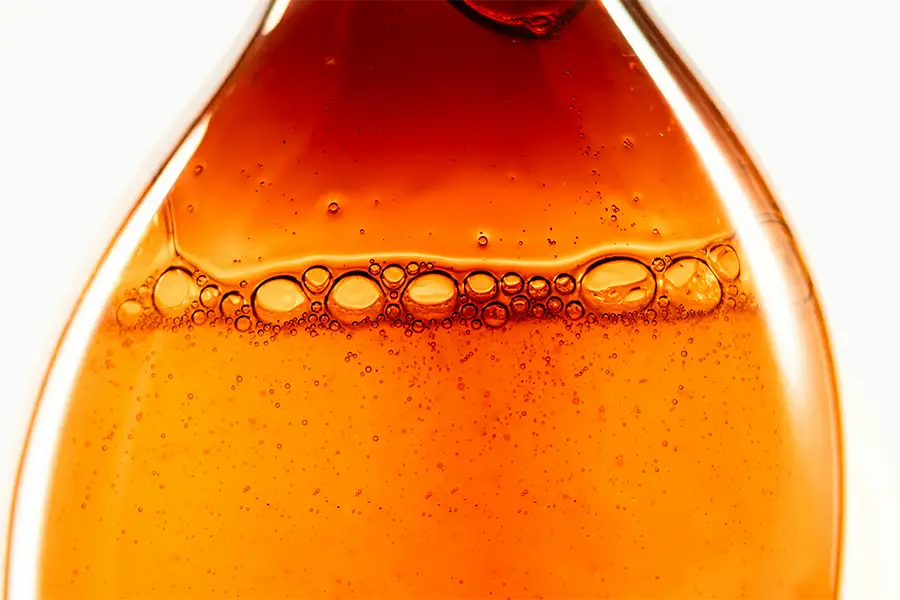
When we talk about the sparkling quality of ginger bug beverages, what we’re really discussing is the presence of carbonation; tiny bubbles of CO2 gas formed during the fermentation process. The gas gets trapped in the liquid, creating the fizziness typical of these fermented sodas. It’s a charmingly simple yet effective mechanism, driven entirely by nature.
Wild fermentation, as opposed to controlled fermentation used in commercial soda production, relishes the unpredictability of nature. This process has been cherished for centuries, not just for providing delightful beverages, but also as a means of preserving nutrients and enhancing their bioavailability. In ginger bug drinks, this results in a beverage filled with live cultures that can benefit digestive health.
Crafting flavorful ginger bug sodas
The beauty of homemade ginger bug sodas lies in their potential for customization. Starting with a “bug” prepared by fermenting ginger root, sugar, and water, the possibilities for flavor combinations are virtually endless. Depending on what ingredients are added, each batch can have its unique taste profile.
Common examples of ginger bug sodas include ginger ale, where the base ginger bug is mixed with additional ginger and sweeteners. Alternatively, fruit sodas like lemon-lime or berry can easily be produced by incorporating fresh fruit juices into the mix. The fruit’s natural sugars further encourage the fermentation process, adding both flavor and carbonation.
These sodas are not only a treat for the taste buds but also a reflection of one’s creativity in the kitchen. The ability to tailor the sweetness, spice, and carbonation level ensures that each brew is a personal creation, offering satisfaction beyond what commercially produced sodas can provide.
The perfect fizz…
To achieve the perfect fizz, it is important to understand the timing and environment needed for fermentation. Typically, a ginger bug needs several days to activate, during which the yeast and bacteria multiply and produce the CO2 necessary for carbonation. The mixture should be kept in a warm area, around 20-30°C (68-86°F), allowing the microorganisms to thrive.
One practical tip for gauging the progress of fermentation is to observe the formation of bubbles and listen for a slight fizz when opening the container. Once the desired level of carbonation is reached, it’s essential to refrigerate the drink to slow down the fermentation process, preventing over-carbonation or explosion risks. This ensures a safe and consistent experience with every sip.