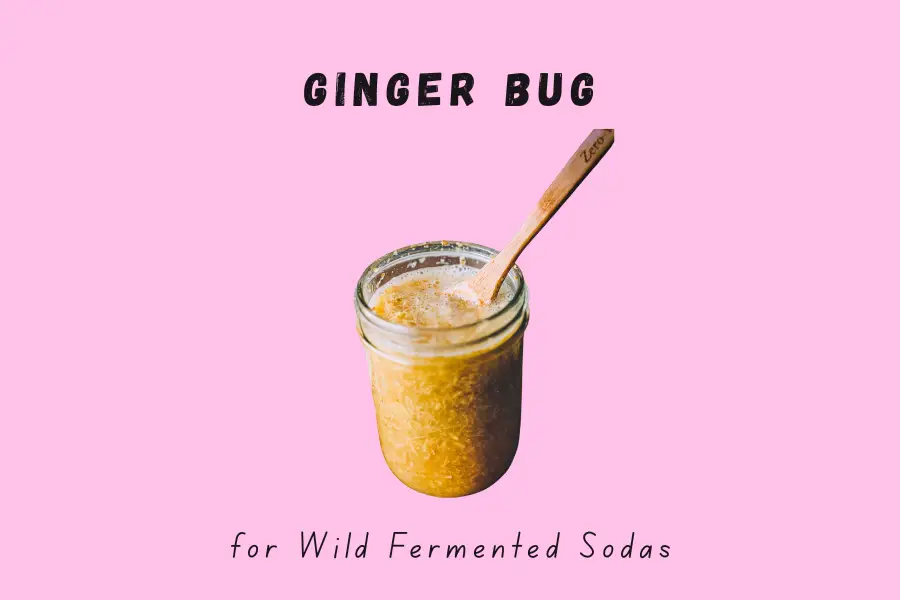

Creating a ginger bug is an excellent way to introduce the world of fermentation into your kitchen. This liquid culture is brimming with beneficial probiotics, making it a valuable addition to various homemade beverages. With just a few simple ingredients and a bit of patience, you can craft a natural, probiotic-rich starter for ginger ale, fruit sodas, and more.
This ginger bug recipe not only simplifies the process of fermentation but also empowers you to experiment with natural carbonation. The end product is a versatile ingredient, imparting a zingy, effervescent quality to your drinks. Let’s delve into the specifics of making a ginger bug with step-by-step guidance and practical tips to ensure success.
Why make a ginger bug?
It’s a natural probiotic, boosting gut health with every sip. Fermentation creates beneficial bacteria that are great for digestion, offering a healthier alternative to store-bought sodas laden with additives.
It’s a sustainable and cost-effective method for crafting homemade carbonated beverages. You can customize flavors and control sweetness, making it ideal for those who want to enjoy a refreshing drink without the guilt.
Refreshing sparkly drinks in 24 hours, unlike kombucha, which takes weeks to brew and become fizzy. Add a unique touch to your homemade drinks and provide a hands-on experience of microbiology at work.
Ingredients
* Fresh ginger: Choose organic ginger to avoid pesticides that might hinder fermentation.
* Sugar: Organic cane sugar is often recommended for its purity.
* Non-chlorinated water: Ensures that no chemicals interfere with microbial activity.
Equipment
* One quart jar and two smaller jars with lids.
* One six-inch square of breathable cotton cloth.
* Sturdy rubber band.
* Small strainer and teaspoon measure.
When is it ready?
Determining when your ginger bug is ready is a critical step. Typically, a ginger bug is ready within five to seven days. Indicators of readiness include visible bubbles on the surface and around the ginger pieces, as well as a slight tangy aroma indicating active fermentation.
A taste test can also confirm readiness. It should taste mildly sweet and tangy without any off-putting smells. These elements signify that fermentation has successfully developed enough probiotics to carbonate your homemade beverages effectively.
How to use
Using your ginger bug is straightforward. Strain the liquid into your chosen beverage base, such as juice or sweetened tea, to introduce natural carbonation. Start with about a quarter to half-cup of ginger bug per quart of liquid, adjusting to taste.
Seal the mixture in a bottle with a tight cap to trap the carbon dioxide, and leave it at room temperature for 3-5 days until it reaches the desired carbonation level. After this, refrigerate your drink to halt fermentation and enhance the flavors.
How to maintain
Once your ferment is complete, strain off all the chopped ginger and toss it out. Transfer the liquid to a clean jar. To keep your ginger bug active, regular feeding is essential. After each use, replenish by adding equal parts of ginger and sugar as initially started, along with water to maintain volume, stirring well. Feed it weekly at a minimum, even if not in use, to keep the culture lively.
If you ever need to pause your ginger bug’s activity, it can be refrigerated. Ensure it’s fed monthly during refrigeration to keep it viable for future use. Revive it at room temperature with regular feeding when ready to re-engage the culture.
Is ginger bug good for you?
Ginger bug is highly beneficial due to its probiotic content, which supports a healthy digestive system by balancing gut bacteria. These probiotics can improve digestion, boost immunity, and enhance nutrient absorption.
Apart from probiotics, ginger is known for anti-inflammatory properties, aiding in reducing nausea and improving cardiovascular health. By creating a ginger bug, you’re harnessing both the benefits of natural ginger and the advantages of fermentation.
Expert tips
For optimal results, use fresh, organic ginger and high-quality sugar. Don’t wash or remove the skin from your ginger roots but clean with a dry towel. The skin is where the microbes that will feed on the sugars live.
Keep your ginger bug in a warm place to encourage fermentation. Temperature fluctuations can slow down or halt the fermentation process, affecting your bug’s vitality. Monitoring and adjusting based on environmental conditions can lead to a more robust fermentation process.
Troubleshooting
What if I forget to feed my ginger bug?
If you forget to feed your ginger bug, don’t worry. Overcoming a missed feeding is usually simple. Start by smelling your bug; if it still smells fine, begin daily feedings until it becomes bubbly and active again.
Why won’t my ginger bug ferment?
Non-fermentation could stem from several factors, such as using chlorinated water, contaminated containers, or mold spores on ginger. Try switching to non-chlorinated water and fresh, organic ginger. Ensure the surrounding temperature is warm enough to activate the fermentation process.