
The Reading Sardines is for people who romanticize kitchens, notebooks, gardens, and long lunches. Books about fermentation, fire, sustainability, ritual, and the beautiful mess of feeding people.
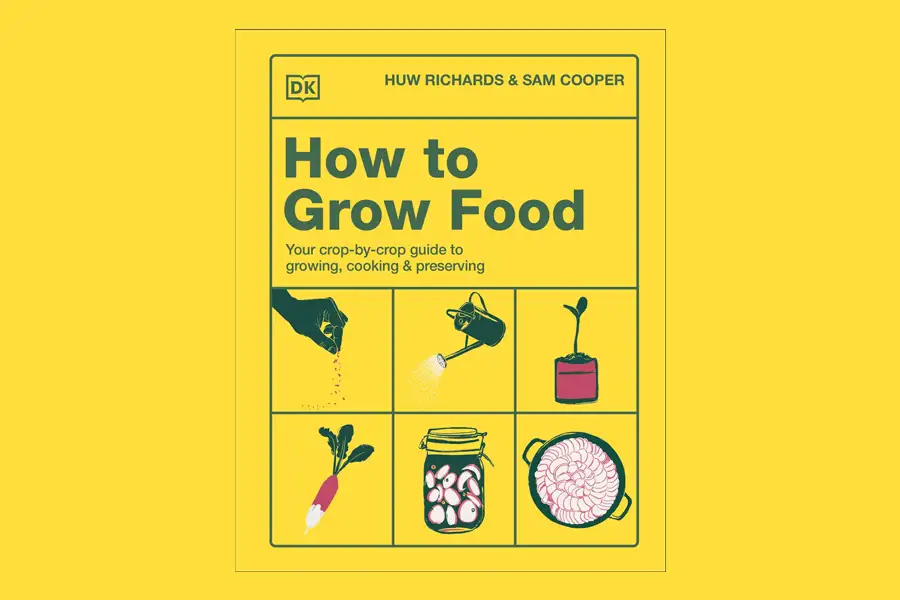
In an era where sustainability and self-sufficiency are becoming crucial, many individuals are turning their attention to the idea of growing their own food at home. “How to Grow Food,” co-authored by Huw Richards and Sam Cooper, offers an invaluable guide for those wishing to embark on this journey. The book provides a complete, sustainable approach from seed to supper, integrating gardening practices with culinary creativity.
Both Richards and Cooper bring a wealth of experience to the table. Richards, a renowned permaculturalist and digital creator, utilizes his vast knowledge to make food production accessible, while Sam Cooper, a former professional chef turned gardening enthusiast, introduces readers to fermentation techniques that enrich flavors and extend the shelf life of fresh produce. Their collaboration aims to bridge the gap between garden and kitchen, promoting sustainable eating and cooking practices that are suitable for any space, big or small.
Bridging the garden-kitchen gap
One of the standout features of “How to Grow Food” is its ability to seamlessly connect gardening practices with culinary applications. This book transcends the typical gardening manual by providing not only cultivation techniques but also recipes that highlight harvested produce’s peak-season flavors. For example, while guiding readers on how many plants are needed per square meter or what yields to expect, it also includes crop-specific recipes. These recipes range from immediate pleasures like root vegetable tartiflette to preserved delights like tomato sauce for future use.
Richards and Cooper emphasize maximizing every square inch of available space, making it possible to grow a surprising amount of food even within the confines of an urban yard or allotment. Their approach encourages an exploration of various crops, raising awareness about how thoughtful gardening choices can enhance both environmental health and personal nutrition. These teachings are crucial for those eager to escape the often tasteless and environmentally detrimental conventional supermarket produce.
By extending the gardening narrative into the kitchen, the book also underlines the interconnectedness of growing and cooking. Readers learn how the garden’s offerings can enrich culinary experiences and empower them to create dishes that resonate with flavor and sustainability.
The art of fermentation at home
Sam Cooper’s insights into fermentation form a core element of the book, offering a transformative method for both experienced cooks and novices wishing to explore new culinary terrains. Known for promoting what he calls “the alchemy of fermentation,” Cooper taps into ancient techniques to introduce an array of flavors that redefine ordinary ingredients. His previous work, “The Fermentation Kitchen,” has been praised for making ambitious projects accessible and demonstrating the health benefits and extended uses of fermented foods.
The fermentation process not only elevates the taste of homegrown produce but also contributes to reducing food waste by extending the lifespan of perishables. Cooper encourages readers to harness natural bacteria, yeast, and fungus, turning the garden bounty into pickles, kimchi, and other fermented fare that spice up everyday meals while supporting gut health.
Furthermore, fermentation aligns perfectly with the seasonal eating ethos that both Richards and Cooper advocate. By fermenting excess harvest, home cooks can enjoy out-of-season flavors, creating a versatile pantry that honors the natural cycles of produce.
Growing abundance in small spaces
One of the central tenets of Richards and Cooper’s approach is that anyone, regardless of space constraints, can contribute to a more resilient food system. Their teachings demonstrate that with careful planning and innovative techniques, growing food in small spaces not only becomes feasible but can result in a surprisingly abundant yield. This is particularly relevant in urban settings where land is often scarce but demand for fresh, home-grown produce is rising.
The book discusses various strategies, such as vertical gardening, container gardening, and careful crop selection, which allow urban dwellers to make the most of their limited resources. These techniques don’t just provide fresh ingredients—they transform small spaces into lush environments that detoxify the air and enhance biodiversity in urban areas.
Practical explanations
“How to Grow Food” doesn’t merely present high-level concepts; it delves deep into actionable advice for readers. Each plant and recipe is explained in detail, offering concrete, repeatable steps that bring aspiring gardeners and cooks one step closer to achieving self-sufficiency. Information on planting, harvesting, and preserving ensures the process is as educational as it is rewarding.
Additionally, by highlighting successful examples of urban agriculture and advocating for seasonal eating, Richards and Cooper inspire individuals to rethink their food sources and heavily invest in homegrown nutrition. As these methods become part of routine lifestyle choices, they foster a greater connection to the food we eat and the environment we inhabit.