
Transform the humble, peppery turnip into a zingy, probiotic powerhouse! Fermenting isn’t just a preservation trick; it’s a culinary glow-up that turns a simple root vegetable into a sophisticated, crunchy treat. Whether you’re a fermentation fanatic or a curious kitchen novice, this guide is your roadmap to crafting vibrant, gut-friendly snacks that pop with flavor.
By harnessing the power of lacto-fermentation, you’re doing more than just extending shelf life; you’re unlocking deep nutritional value and better digestibility. Every jar becomes a thriving ecosystem of beneficial bacteria, making your homemade turnips as healthy as they are delicious. Ready to dive into this rewarding ancient art? Let’s get bubbling!
Why make this specific ferment?
Lacto-fermentation works like a flavor amplifier, evolving the turnip’s natural bite into a complex, refreshing tang. It’s the ultimate solution for a bumper crop or a great market find, keeping your veggies crisp and exciting for months on end.
Beyond the addictive crunch, you’re feeding your gut the probiotics it craves. These tiny helpers support your immune system and overall well-being, turning every garnish into a functional health boost.
Best of all, you are the master of your jar. Adjust the spices, tweak the aromatics, and create a signature ferment that reflects your personal palate.
Ingredients
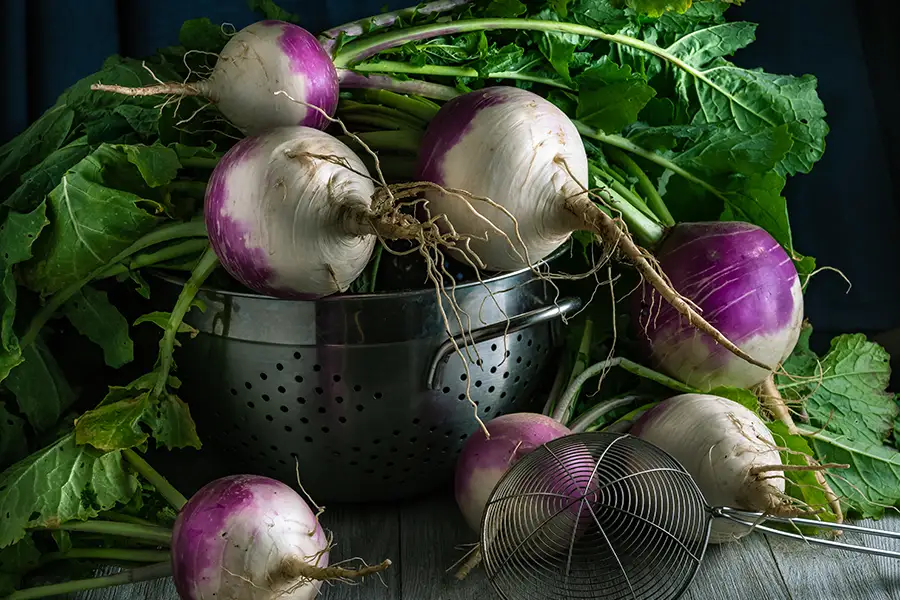
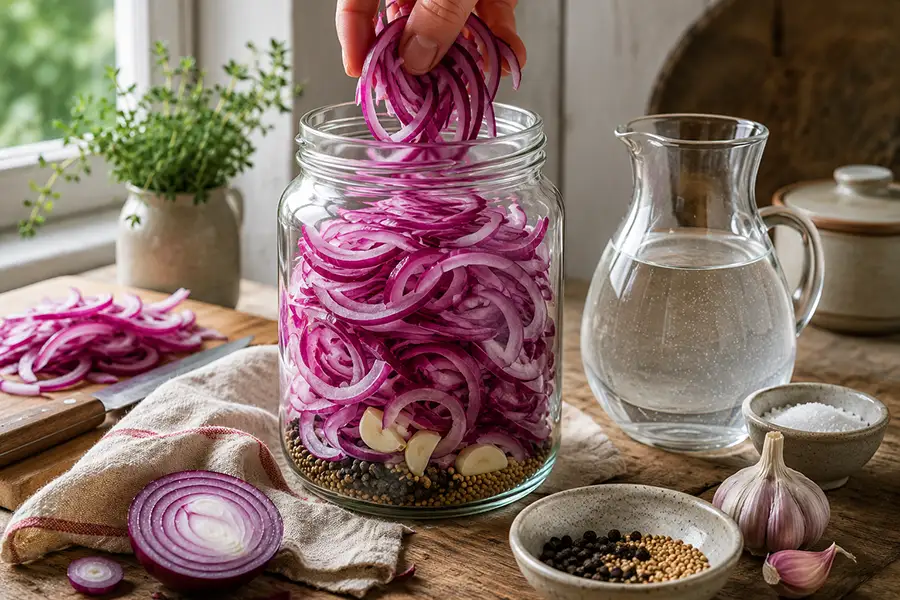
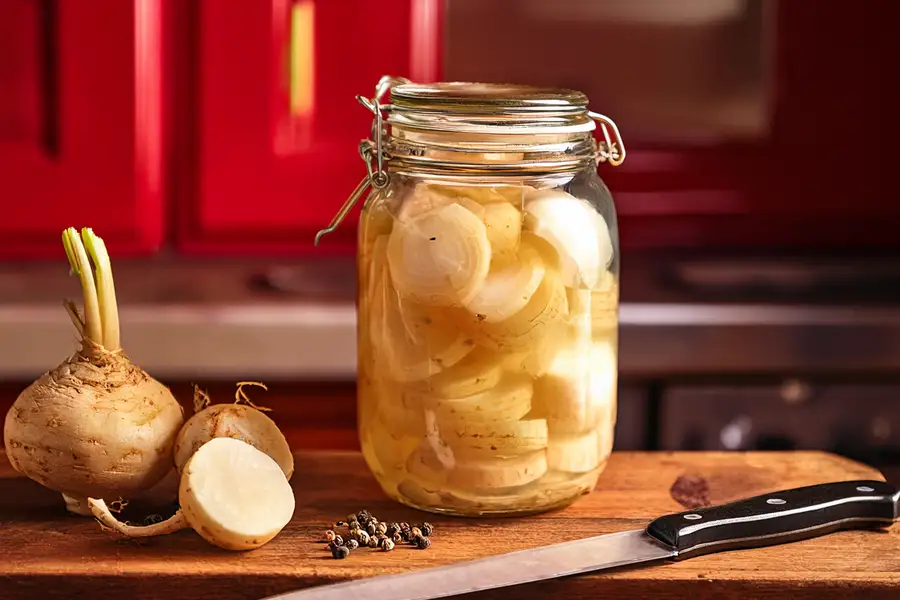
You only need a few pantry staples to start the magic: fresh, firm turnips, non-iodized salt (to keep the microbes happy), and filtered water. Feeling adventurous? Toss in some garlic cloves, fresh dill, or caraway seeds to dial up the aroma and depth.
Freshness is crucial, so select turnips that are free from blemishes and have a crisp texture. If possible, use organic turnips to avoid any potential pesticide residues. The choice of salt is equally important; non-iodized salt is preferred because iodized salt can interfere with the fermentation process.
Equipment
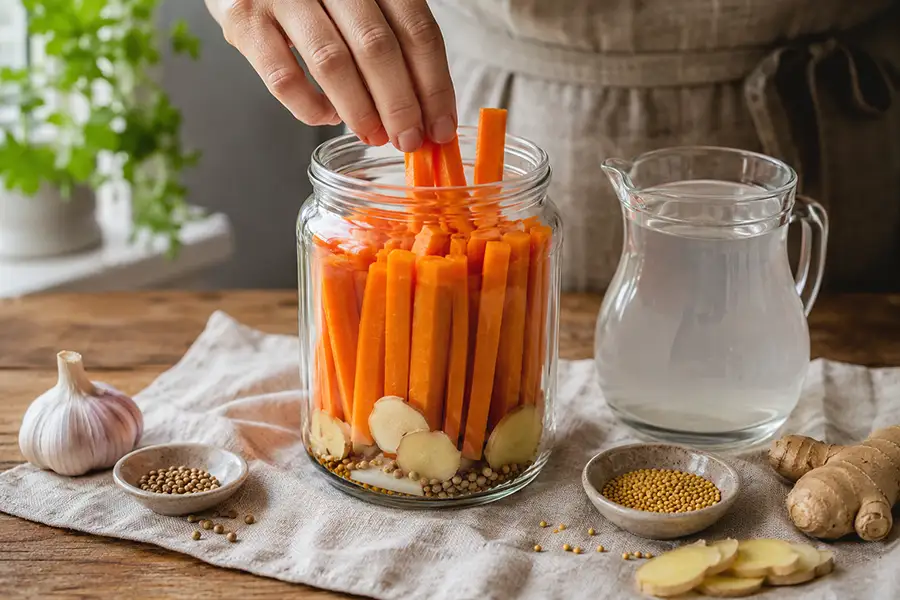
Grab a clean mason jar or a classic fermentation crock. You’ll also need a fermenting weight to keep your turnips safely submerged under their brine bath.
Round out your toolkit with a sharp knife for precision slicing and a large bowl for the initial prep. A simple clean cloth or lid keeps the environment controlled and protected.
Setting the stage with clean, ready-to-go equipment ensures your fermentation journey is smooth and successful from day one.
When is it ready?
The fermentation process typically takes 1 to 2 weeks. During this time, the beneficial bacteria will proliferate and transform the turnips into a tangy delight. Check on the ferment daily to ensure the turnips remain submerged, and observe the development of bubbles, a sign of active fermentation.
Taste testing after one week will help you determine when the turnips have reached your desired level of tanginess. Once satisfied, seal the jar and store it in the refrigerator to halt fermentation.
How to use
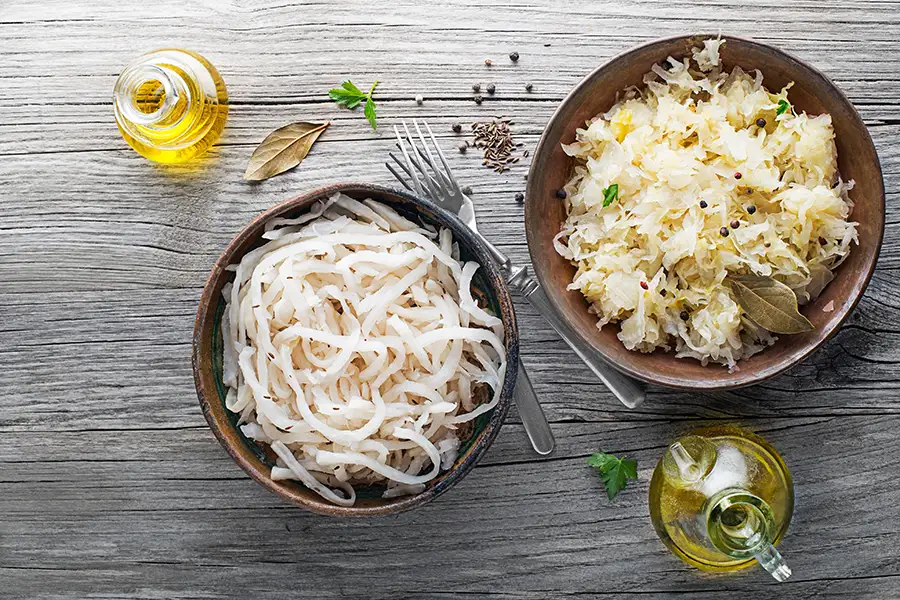
Fermented turnips are incredibly versatile. They can be enjoyed as a side dish, served with cold cuts, or added to salads for an extra burst of flavor. Consider using them as a garnish for soups or stews, where their tangy flavor can complement rich broths.
Experiment by adding them to sandwiches or wraps. Their unique taste can elevate standard fare, providing a refreshing contrast to heavier ingredients.
How to maintain
Proper maintenance of your fermented turnips involves regular monitoring and cleanliness. Always use clean utensils to retrieve portions from the jar to avoid introducing unwanted bacteria.
Keep the jar sealed and stored in the refrigerator to prolong shelf life. Properly stored, fermented turnips can last many months while retaining their beneficial properties.
Is this ferment good for you?
Yes, fermented turnips are a nutritious addition to your diet. The fermentation process increases the bioavailability of nutrients and introduces probiotics, which promote a healthy digestive system.
Regular consumption of probiotics has been linked to improved digestion, enhanced immune function, and reduced inflammation. Thus, fermented turnips not only satisfy the palate but support overall health.
Expert tips
To achieve optimal results, always start with the freshest turnips and clean, sterilized equipment. Maintain a consistent temperature during fermentation for even results.
Consider adding a tablespoon of whey or a similar starter culture to jumpstart the fermentation process. This can help achieve desired levels of tanginess faster.
Troubleshooting
If you notice any off smells or colors, discard the batch, as these are signs of spoilage. Ensure the turnips remain submerged to prevent mold growth.
Bubbles are normal and indicative of fermentation activity. However, if you see foam, removing it can keep your jar clean. Always keep an eye on temperature and avoid a too-warm environment, which can adversely affect fermentation.