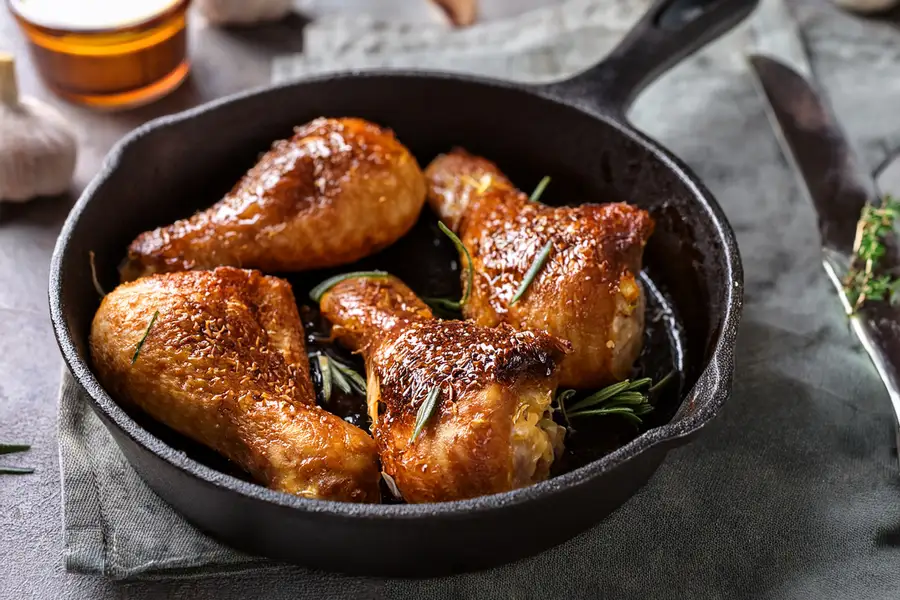

Most of us have experienced the dilemma of what to do with leftover pickle juice once the last pickle is devoured. Instead of pouring it down the drain, why not recycle this tangy liquid gold as a marinade? Among various uses, one of the most transformative applications is to marinate meat, particularly chicken. This practice leverages the acidic and seasoned qualities of pickle brine to deliver extraordinarily tender results.
Marinating meat in pickle juice is more than just a cost-effective practice; it’s a culinary tactic underpinned by science. The juice alters meat composition through chemical interactions between the brine and meat proteins, resulting in softer, more flavorful cuts and revolutionizing your cooking repertoire.
The science behind pickle juice as a marinade
At the heart of pickle juice’s effectiveness as a meat marinade is its unique chemical composition. Typically, pickle juice contains vinegar, salt, and various seasonings such as garlic. These components play distinct roles in the marination process. Vinegar acts as an acid, denaturing protein structures within the meat, which helps to soften tissues and enhance tenderness. This acid-induced denaturation is crucial for transforming tough muscle fibers into palatable, juicy bites.
Beyond its acidic content, pickle juice is inherently salty. Salt performs a dual function; it enhances flavor and also aids in moisture retention. When meat is soaked in this saline solution, salt ions penetrate the tissue, drawing in water molecules and locking them within the muscle fibers. This osmotic effect not only boosts succulence but also ensures a juicy finish post-cooking.
The seasoning present in pickle brine, ranging from garlic to dill, further enriches the flavor profile of marinated meat. These seasonings infuse slowly but deeply, contributing subtle complexities to the taste that unadulterated salt and vinegar alone cannot achieve. The end result is meat that is not only tender but also robustly flavored.
The impact on meat proteins
Delving deeper into the biochemical interactions, the process of marinating meat in pickle juice profoundly affects the proteins. Proteins in meat, such as myofibrils, undergo structural changes when exposed to acidic environments. The acid causes the proteins to unfold and then coagulate at a slower pace, which varies based on concentration and exposure time. This action reduces toughness and makes the meat easier to chew.
Furthermore, the salt in pickle juice causes protein strands in meat to break apart. This is sometimes referred to as the ‘brining effect’. By relaxing these protein structures, salt enables the muscle fibers to absorb more liquid and swell, ultimately resulting in a moister texture. This process is particularly beneficial for lean cuts of meat, such as chicken breast, which may otherwise become dry during cooking.
It’s important to note that over-marinating can have adverse effects, leading to overly soft or mushy textures as the proteins become excessively denatured. Therefore, finding a balance in marination time, typically a few hours for delicate poultry, is crucial for achieving the optimal texture.
Technical considerations for marinating meat
When approaching the marination process with pickle juice, understanding the technicalities can enhance outcomes significantly. Firstly, consider the cut of meat. Although chicken is a popular choice, the technique is adaptable to other meats such as pork or tougher beef cuts. The acid in pickle juice is particularly adept at breaking down fibrous tissues, making it a suitable choice for traditionally chewy meats like skirt steak.
Time and temperature also play significant roles in the marination process. Shorter marination times—around 1 to 3 hours—are typically sufficient for poultry and tender cuts. More robust cuts of meat may benefit from extended marination periods, provided they remain refrigerated to prevent bacterial growth.
Balancing flavor profiles
While pickle juice is pre-seasoned, additional herbs and spices can be introduced to tailor the marinade to specific flavor preferences. For those seeking a bit of heat, infusing the brine with chili flakes or hot sauce can amplify the piquancy. On the other hand, herbs such as thyme or rosemary can introduce earthy undertones, complementing the zing of vinegar and garlic.
Practical outcomes
The ultimate goal of marinating meat in pickle juice is to transform the culinary experience. As experienced chefs and home cooks alike discover, this method is not just about enhancing flavor but also about improving texture and juiciness. With proper application, the often-discarded pickle juice increases the potential of ordinary cuts, turning everyday meals into extraordinary fare.
Emphasizing preparation, marinating times, and the choice of additional seasonings can yield considerable differences. Those who frequently engage in meal prep will find that pickle juice marinating can add speed and simplicity to their weekly routines. By embracing this technique, the potential of leftover brine extends beyond disposal, offering an innovation in meat preparation that is both simple and scientifically grounded.