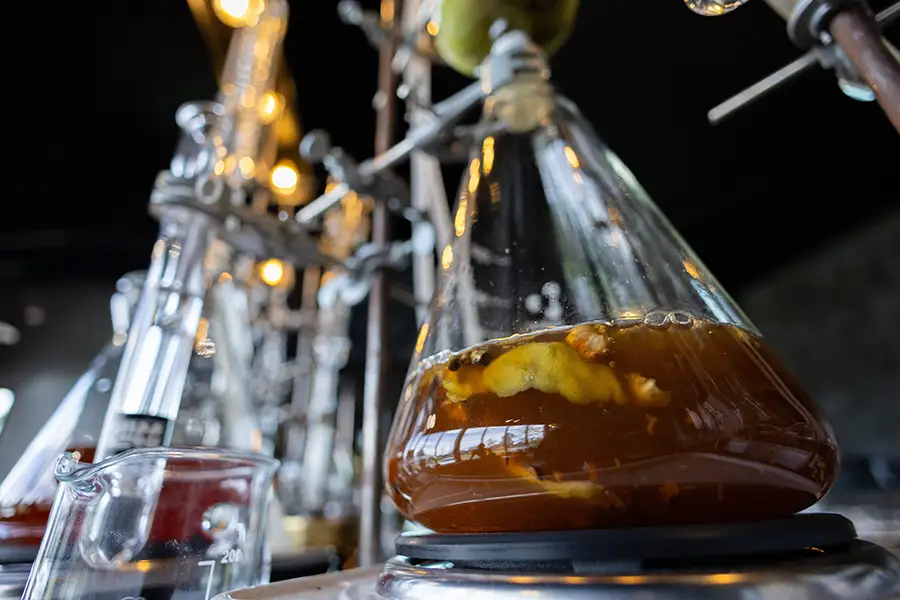

Fermentation has evolved beyond its traditional role in culinary arts and now plays a crucial part in a multitude of industries, extending its influence well beyond the kitchen. This transformation is driven by microorganisms that have proven their ability to produce a diverse range of products. From the realm of pharmaceuticals to textiles and beyond, these microscopic agents are creating a quiet revolution in industrial practices.
As industries seek sustainable, efficient, and innovative production methods, fermentation offers compelling advantages. Leveraging the power of microbes, companies are now able to craft new products, enhance existing ones, and replace traditional manufacturing processes with more environmentally friendly approaches. This article explores eight industries where fermentation technologies are being harnessed to produce novel products.
Pharmaceuticals and medicine
In the realm of pharmaceuticals, fermentation is a cornerstone technique, underpinning the production of essential drugs such as antibiotics. Penicillin, the groundbreaking antibiotic, is a classic example of a medication derived from microbial fermentation. The significance of fermentation extends to the synthesis of vaccines, enzymes, and specific biopharmaceuticals which are fundamental to modern medicine.
Fermentation processes in pharmaceuticals involve using specific strains of microorganisms to synthesize complex molecules that are difficult to produce synthetically. The controlled environment in fermentation tanks allows for the mass production of these vital compounds with precision and consistency. Moreover, the field of biotechnology heavily relies on fermentation as it seeks to develop new solutions for emerging medical challenges.
Applications in medicine demonstrate that fermentation’s role is not limited to flavor development but extends towards forming the very bedrock of contemporary biotechnological advancements. With an ever-increasing demand for biopharmaceuticals, fermentation is expected to remain integral in future medical innovations.
Cosmetics and skincare
The cosmetics industry increasingly embraces fermentation to enhance the efficacy and purity of skincare products. By facilitating the transformation of natural ingredients, fermentation yields compounds like lactic acid, hyaluronic acid, and a variety of peptides and oils that are beneficial for skin and hair health. This process enhances ingredient bioavailability and reduces waste.
Microbial fermentation allows cosmetic formulators to discover novel ingredients and improve the sustainability profile of their products. Fermented ingredients often outperform their conventional counterparts in terms of skin absorption and performance due to their enhanced molecular bioactivity. As a result, beauty companies can innovate new formulations that offer unique selling points to consumers seeking effective and eco-friendly products.
The skin’s natural barrier can also benefit from fermentation-derived antioxidants and botanical extracts. The application of fermentation in cosmetics not only transforms ingredient efficacy but also aligns with the industry’s trending focus on natural and sustainable product development.
Textiles and fashion
The textile and fashion industry employs fermentation to revolutionize fabric processing and finishing. Microbial enzymes such as amylases, cellulases, and laccases are used to treat fibers, support dyeing processes, and finish fabrics in a way that’s less reliant on harsh chemicals, contributing to more sustainable manufacturing practices.
Fermentation in textiles enables the development of processes that require fewer resources while delivering high-quality fabrics. These enzymes break down complex compounds organically, which can enhance fabric quality and longevity. Such processes are not only environmentally friendly but also reduce the energy consumption in comparison to traditional methods.
Beyond environmental benefits, fermentation techniques allow for the innovation of textiles with unique properties. Ensuring softer textures and finer finishes, fermentation influences fashion by expanding the potential for creative design without compromising ecological integrity.
Detergents and cleaning products
Microbial fermentation also plays a crucial role in the cleaning industry through its application in producing enzymatic detergents. These enzymes break down stains effectively at lower temperatures, which conserves energy and enhances cleaning efficiency. They can degrade proteins, fats, and starches, ensuring a thorough cleanse of various surfaces and fabrics.
The inclusion of enzymes in detergents represents a significant leap in sustainable cleaning technology. Enzyme-based detergents are designed to perform well under varying washing conditions, delivering exceptional stain removal without the need for harsh chemicals. This innovation helps diminish environmental impact while maintaining product performance.
As consumers and companies alike push for greener cleaning solutions, fermentation-derived products are positioned to meet these demands, offering an effective alternative that aligns with environmental stewardship and efficiency.
Biofuels and energy
In the realm of biofuels, fermentation is a pivotal process used to convert plant sugars and starches into bioethanol and other sustainable fuels. This industry-driven shift towards using renewable biological inputs rather than fossil fuels is part of a wider move towards more sustainable energy solutions.
Microbes used in fermentation decompose plant materials, producing fuels that are cleaner and more environmentally friendly. This transformation reduces reliance on non-renewable resources and contributes toward carbon reduction goals in the energy sector. The potential for fermentation-based fuels to meet a substantial portion of global energy needs is becoming increasingly recognized.
While the global shift for renewable energy accelerates, the integration of fermentation in energy production signifies an innovative step forward. The adaptability and renewability of fermentation processes make biofuels a promising alternative in the quest to reduce global carbon footprints.
Agriculture
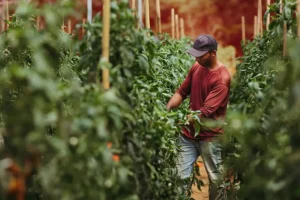
Fermentation significantly influences agriculture by enabling the production of biofertilisers and biopesticides, along with livestock feed additives. These products are essential in supporting the growth and resilience of crops and livestock, reflecting fermentation’s role in sustainable agricultural practices.
The application of microbial fermentation in agriculture is centered around enhancing soil fertility and plant health. Fermentation-derived products contribute to improving crop yield and quality without the excessive use of synthetic chemicals. They foster sustainable agriculture practices by optimizing natural biological processes.
The introduction of fermentation techniques into agriculture also includes the production of proteins and amino acids for animal feed, highlighting the diverse applications of microbial processes beyond traditional food fermentations.
Packaging and biomaterials
Biobased alternatives to petroleum-derived plastics are emerging through fermentation processes, which produce organic acids and polymers. For example, lactic acid generated through fermentation acts as a precursor for PLA (polylactic acid), a biodegradable plastic utilized in packaging.
Fermentation technology transforms industrial residues into valuable resources, promoting a circular economy by making use of by-products like seaweed hydrolysate and candy-factory waste. This application reduces reliance on non-renewable resources and advances sustainable alternatives in packaging industries.
The increasing demand for sustainable packaging solutions underscores the importance of fermentation processes. These biotechnological advancements align with global sustainability goals and contribute towards reducing environmental impact.
Paper, pulp, and leather
The paper, pulp, and leather industries are among the traditional sectors experiencing transformation through fermentation. Utilizing microbial enzymes, these industries benefit from improved processing techniques that allow for reduced chemical use and enhanced material quality.
Fermentation aids in efficiently breaking down substrates in paper and pulp production, leading to cleaner and more sustainable processing methods. The leather industry similarly leverages fermentation to improve tanning processes and mitigate chemical usage.
These advancements not only modernize but also sustain old industries by integrating biotechnology solutions. The utilization of microbial processes in production helps achieve ecological balance and improved product quality.
A vast potential
The transition of fermentation into these diverse industries highlights the vast potential of biotechnology. Understanding the microbial processes and how they contribute to sustainable practices is imperative for pushing the boundaries of innovation. Fermentation’s scalability and adaptability make it a vital tool in responding to evolving industrial demands.
As industries continue to discover new applications for fermentation, the role of microbial processes in manufacturing and production will further expand. Embracing these advancements not only offers potential environmental benefits but also opens the door to novel solutions previously unimaginable within traditional manufacturing landscapes.