
Germany has unveiled a bold plan to establish a national hub dedicated to the development of precision fermentation and alternative proteins. This initiative is part of a comprehensive strategy to enhance the country’s role in sustainable food production technologies. By focusing on these advanced methods, Germany aims to position itself at the forefront of a growing industry poised to revolutionize food systems.
This announcement signals a significant shift in how food production innovations are perceived, marking precision fermentation as a strategic component rather than just a niche technology. The plan looks to bridge the gap between research and commercialization, further accelerating the growth and mainstream acceptance of cultivated foods across Europe.
Germany’s strategic move into precision fermentation
The German federal government’s decision to include alternative proteins in its High-Tech Agenda demonstrates a commitment to future-proofing its food production systems. As part of this initiative, Germany will establish a national innovation hub by 2027, dedicated to research and advancement in cell cultivation and precision fermentation technologies. This strategic move is a critical step towards achieving sustainable and efficient food production.
This hub will serve as a focal point for collaboration between scientists, researchers, and industry leaders, fostering an environment of innovation and knowledge exchange. It will also play a crucial role in coordinating research efforts, enhancing the pace at which precision fermentation technologies are developed and scaled commercially.
Germany has already made significant investments in alternative proteins, with a €79 million allocation between 2020 and 2025. This financial commitment showcases the government’s proactive approach to nurturing emerging food technologies that have the potential to reshape the global food landscape.
The implications of precision fermentation
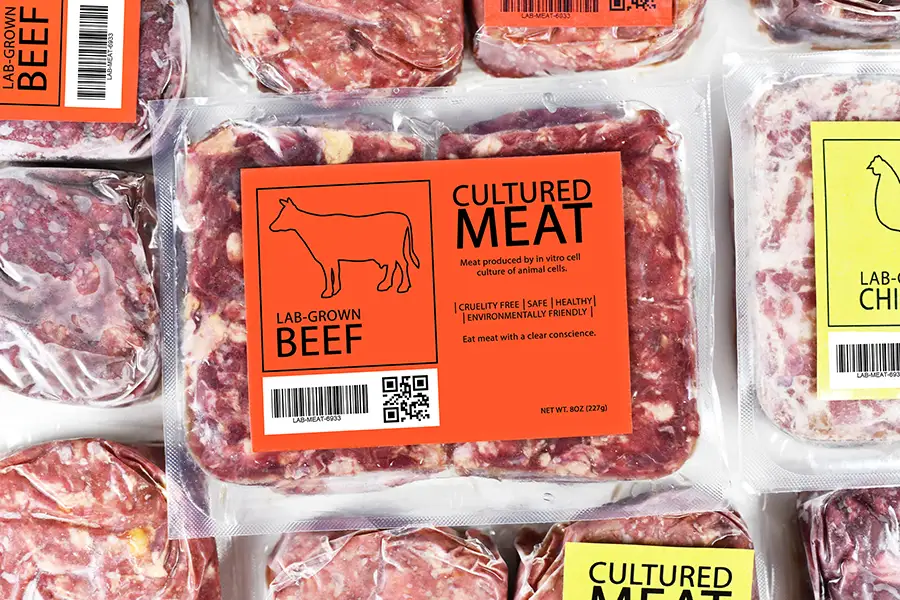
Precision fermentation is emerging as a vital component of sustainable food production, with the potential to disrupt traditional agricultural practices. By enabling the production of cultivated meat and enhanced plant-based foods, it offers a pathway to create food products that are not only highly nutritious but also environmentally friendly. This method involves the use of microorganisms to produce complex organic compounds, which are essential in crafting ingredients that significantly boost the flavor and nutritional quality of alternative protein products.
From a sustainability standpoint, precision fermentation presents a compelling alternative to conventional livestock farming, which is resource-intensive and contributes significantly to environmental degradation. With its potential to drastically reduce land and water usage while minimizing greenhouse gas emissions, precision fermentation aligns with global efforts to combat climate change and ensure food security.
Why this matters
The decision to prioritize precision fermentation within Germany’s innovation strategy is indicative of the broader recognition of its importance. This focus underscores the potential of fermentation technologies to act as strategic infrastructure in the development of a resilient and sustainable food system. By positioning itself as a leader in this field, Germany aims to set a precedent for other nations to follow.
Moreover, as food systems worldwide continue to face pressure from population growth and climate change, innovations like precision fermentation provide viable solutions to meet the increasing demand for sustainable and nutritious food. Germany’s commitment to fostering these technologies is a clear indication of its readiness to spearhead this transformative movement in food production.
The science
Precision fermentation employs advanced fermentation techniques where microorganisms like bacteria, yeast, and fungi are programmed to produce specific organic compounds such as proteins and fats. These compounds can form the basis for creating meat, dairy, and other essential food ingredients without the need for animal farming. The process is not only efficient but also customizable, allowing producers to tailor their products to meet specific dietary needs and preferences.
The potential applications of precision fermentation are vast and promise to revolutionize the way we think about food production. Beyond creating alternative proteins, this technology can be harnessed to develop biofactories that generate valuable nutrients and supplements, further enriching our dietary options. This capacity to innovate truly positions precision fermentation as a cornerstone of future food systems.