
Fermentation is an age-old preservation technique that not only enhances the nutritional profile of vegetables but also imparts them with unique flavors and textures. Choosing the right vegetables is fundamental to successful fermentation. This process involves selecting produce that supports the natural fermentation conditions, ensuring the best flavor and texture outcomes.
Successful fermentation relies heavily on the initial quality of the vegetables. By choosing vegetables that are fresh, firm, and correctly handled, you can significantly influence the outcome of the fermentation process. This article will dive into the key considerations for choosing vegetables for fermentation, providing both scientific insights and practical advice.
Understanding the fundamentals of choosing vegetables for fermentation
Selecting the right vegetables for fermentation starts with freshness. Fresh-picked vegetables are ideal as they are more flavorful, nutrient-rich, and maintain their integrity better throughout the fermentation process. The crisp nature of fresh produce allows them to stay crunchy, a desirable trait in fermented foods like pickles and sauerkraut.
The firmness and sheen of the vegetable’s skin are indicators of its freshness. Firmness suggests that the vegetable is robust and less likely to become mushy during fermentation. Shiny skin often indicates minimal bruising and healthful factors, crucial when aiming to produce a ferment with a satisfying crunch.
Avoid vegetables that show signs of spoilage, such as softness or discoloration, as these traits suggest the presence of unwanted bacteria or molds. The presence of bruises on vegetables can lead to a mushy consistency and potentially disrupt the fermentation through unwanted microbial growth.
Organic vs. Conventional produce
Whenever possible, choose organic vegetables for fermentation. Organic produce is often less contaminated with pesticides and chemicals, fostering a cleaner fermentation environment. However, if organic options are not accessible, conventional produce can be used as long as it is thoroughly cleaned. Washing helps to remove any surface pesticides that might hinder the fermentation process.
It’s advisable to avoid conventional produce listed in the “dirty dozen“, as these items are more likely to have been heavily sprayed with pesticides. Be aware that different pesticides, and cocktails of these, are allowed to be used across Europe and the UK. You might want to dig deeper into what pesticides are used in your country. Additionally, wax coatings found on some conventionally grown fruits and vegetables should be removed or cleaned off as they can obstruct the fermentation process by creating a barrier to bacteria and yeast.
Choosing the best vegetables for fermentation
Some vegetables are particularly well-suited to fermentation due to their texture and structure. Hard roots, leafy brassicas, and hardy vegetables like carrots, cabbage, and radishes are among the top choices for beginners. These vegetables hold their structure well and ferment reliably, often yielding a pleasant and consistent flavor profile.
Cabbage is a prime candidate for fermentation; it is easy to source, affordable, and reliably produces desirable lactic acid, resulting in traditional ferments like sauerkraut and kimchi. Carrots, with their high sugar content, aid in fueling the fermentation process, producing a naturally sweet and crunchy product.
Practical explanations
The scientific basis of vegetable fermentation lies in the activity of beneficial bacteria. These bacteria convert sugars present in the vegetables into lactic acid through a process called lacto-fermentation. This natural process not only preserves the vegetables but also enhances their nutritional benefits by increasing vitamins and digestibility.
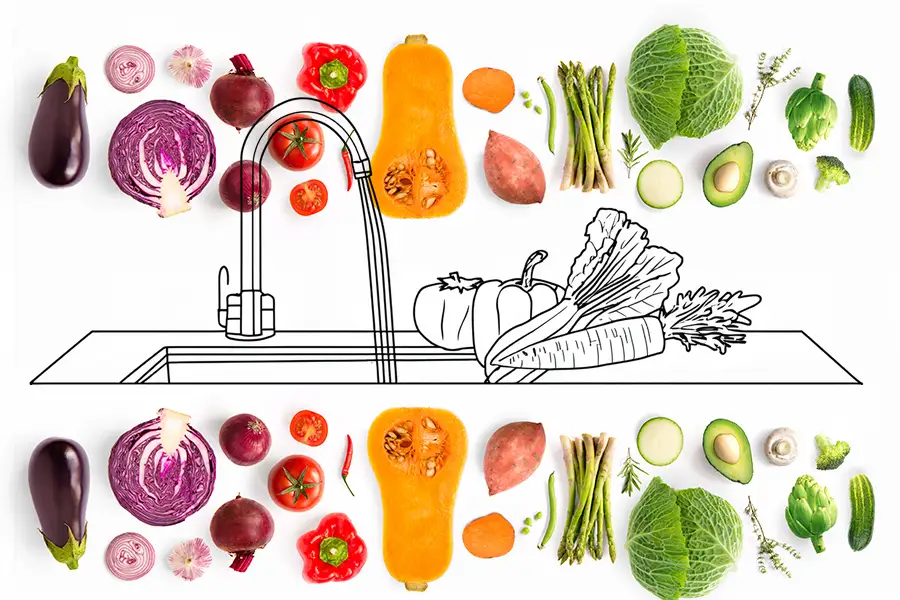
Practical preparation begins with thorough cleaning to remove dirt and surface residues. Rinse the vegetables or fruits under clean running water and gently rub their skin to dislodge any remaining soil.
Avoid using soaps or detergents, as these can leave residues that may be absorbed by the surface of the produce, while also removing useful bacteria. If dirt persists in specific areas, gently rub the spot with a small amount of salt.
If the residue cannot be removed, it is best to trim that section away before use.