
Fermentation is a process as old as time, yet still championed in today’s culinary arts for its ability to produce delightful flavors and provide nutritional benefits. This transformation relies on microscopic powerhouses; microorganisms that turn basic ingredients into something entirely new. Among the various types of fermentation, two methods stand out: lacto-fermentation and yeast-fermentation. The core difference between these two lies in the types of microorganisms at work and the end products they create.
As fermented foods find their way into more kitchens and haute cuisine globally, understanding the nuances of these fermentation processes becomes crucial for chefs and home cooks alike. While the scientific terminology might seem daunting, breaking down the two types of fermentation can make your culinary adventures even more rewarding, giving you the confidence to dive into the intricate world of pickles, sourdough, and more.
Understanding lacto-fermentation
Lacto-fermentation is a celebrated method for its ability to enhance flavors and imbue foods with unique textures and health benefits. This process revolves around the beneficial bacteria known as Lactobacillus, found naturally on the surface of many plants. These bacteria are the magicians behind the curtain, converting sugars in vegetables and other foods into lactic acid, which naturally preserves the food, enhances its flavor, and creates that distinctive tang.
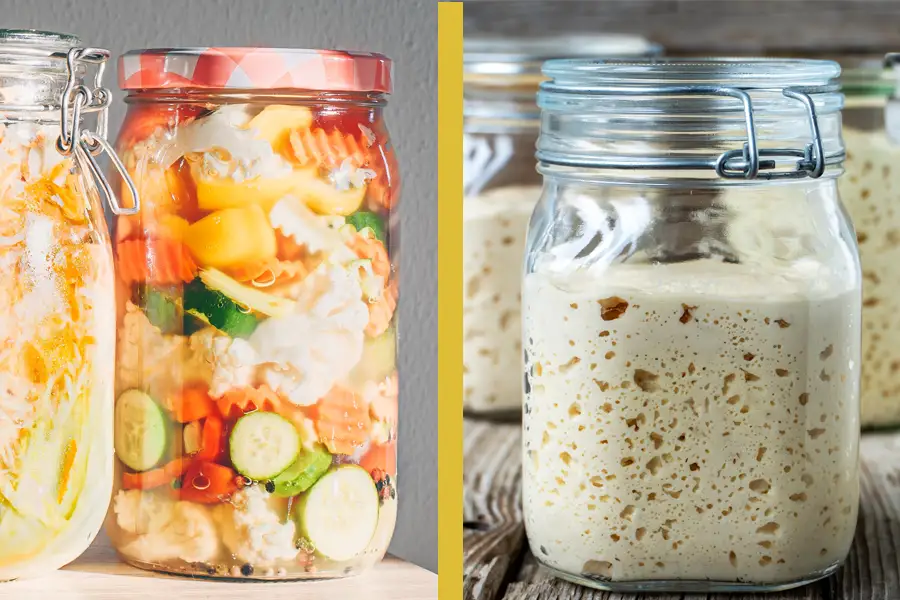
In the realm of fermented foods, lacto-fermentation is responsible for classic staples like kimchee, sauerkraut, and yogurt. Each of these foods owes its origins to Lactobacillus’s transformative power. The lactic acid produced not only provides a sour flavor but also acts as a natural preservative that can inhibit the growth of harmful bacteria. This transformation imparts complex, mouth-watering flavors that are as delicious as they are intriguing.
The “lacto” prefix is a giveaway to the essence of this fermentation type. It’s a homage to the lactobacilli involved, the very bacterial strains that make kosher pickles crunchy and kimchee irresistibly sour. These microorganisms flourish without the need for added sugars or the generation of alcohol, making lacto-fermented foods a healthier option favored by nutritionists worldwide.
Unveiling yeast-fermentation
Entering the world of yeast-fermentation feels almost like stepping into an ancient alchemist’s laboratory. This type of fermentation depends on yeast – a type of fungus – that converts sugars into ethyl alcohol and carbon dioxide. It’s the secret behind your favorite beers, wines, and bubbly kombucha, balancing art and science to perfect the craft of brewing and baking.
Yeast-fermentation is not just about getting a buzz, though that may be one enjoyable aspect for some. As yeast feeds on sugar, it splits its bounty into alcohol and carbon dioxide. The alcoholic content is a cornerstone of beverages like beer and wine, while the carbon dioxide creates the effervescence essential to refreshing seltzers and Champagne.
This process is celebrated not only for its end products but also for the unique flavors and textures yeast bestows upon food. Sourdough bread owes its airy interior and tangy crust to a symbiotic relationship between lactobacilli and yeast. These dual ferments create a balanced ecosystem, where the two microbial champions work in concert to elevate the ordinary into extraordinary.
In practice
In practice, whether you’re making a batch of tangy pickles or brewing a complex-tasting ale, understanding the differences between lacto- and yeast-fermentation can refine your process and improve outcomes. Lacto-fermentation typically requires little more than basic ingredients like salt, water, and time to create a delicious end product. This simplicity makes it accessible for home cooks aiming to try their hand at homemade fermented foods.
Meanwhile, yeast-fermentation can be a bit more complex, often requiring careful temperature control, precise ingredients, and patience to achieve the perfect fermentation state. The craft involves balancing elements like yeast selection, the sugar content, and the fermentation environment; factors that all contribute to flavor profiles and alcohol content. This complexity is what transforms brewing into both an art and a science.