
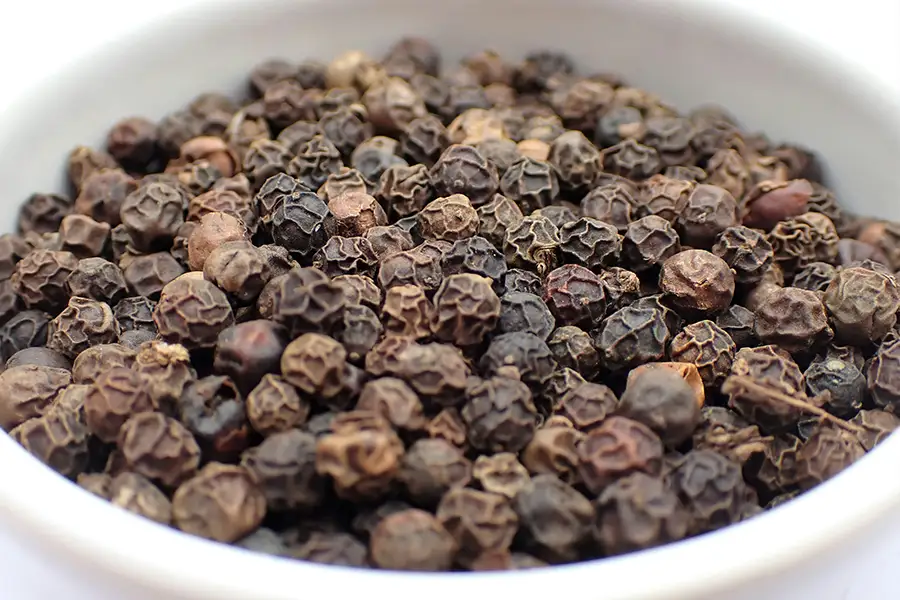

The art and science of fermentation have been practiced for centuries, but the role of black pepper in this process remains a less discussed topic. Known mainly for its culinary uses, black pepper plays a pivotal role in enhancing the safety, structure, and depth of fermented foods. By diving into the complex interactions and benefits of black pepper in ferments, we uncover its multifaceted role as more than just a seasoning aid.
Black pepper, a cornerstone of spice racks around the world, holds qualities that extend far beyond taste improvements. In fermentation, this spice brings to the fore a host of functional benefits, transforming traditionally basic practices into processes that promote both health and flavor. Utilizing scientific studies as our guide, we explore how this ubiquitous spice enhances the preservation, safety, and sensory experience of fermented foods.
Antimicrobial properties of black pepper
Black pepper contains piperine and essential oils, which provide significant antimicrobial properties. These components are crucial in inhibiting the growth of food-spoilage bacteria such as E. coli and S. aureus, as referenced in scientific studies. While these pathogenic bacteria are held at bay, beneficial lacto-bacteria such as Lactobacillus cultures can thrive, thereby ensuring a healthy and successful fermentation process.
Piperine is a compound that not only contributes to the pungency of black pepper, but also plays a role as a bioenhancer. Studies suggest that the antimicrobial mechanism of black pepper works by disrupting cell wall synthesis of pathogenic microbes, thus preventing their proliferation in the ferment. This selective inhibition is vital for the safety and palatability of fermented materials. The antimicrobial activity in black pepper is well documented. By integrating black pepper into ferments, we can significantly reduce the risk of contamination without compromising the growth of beneficial microorganism cultures.
Textural benefits from tannins in black pepper
The textural integrity of fermented foods is crucial to their appeal and flavor profile. Whole or coarsely cracked peppercorns contain tannins, naturally occurring compounds that help maintain the crispness of fermented vegetables. These tannins bind to the vegetable’s pectin content, preventing the otherwise common issue of mushy textures over fermentation periods spanning 14 to 30 days.
Tannins provide a natural biochemical interaction that fortifies the cellular structure of the vegetables. This binding process prevents the breakdown of cell walls, which is a common side effect of extended fermentation. The result is a crisp product that offers a satisfying crunch, enhancing not only the sensory appeal but also the structural stability of the fermented food.
This incorporation of tannins goes beyond simple preservation. It provides a dimensional layer to the fermentation process, bridging the gap between simple preservation techniques and more advanced textural enhancements, resulting in products that stand out for their firm and appealing texture.
Enhancing nutritional bioavailability
The fermentation process inherently boosts the bioavailability of nutrients in food. Black pepper magnifies this effect due to the presence of piperine, which acts as a bioenhancer. This compound significantly increases the body’s ability to absorb essential nutrients from the fermented foods.
Piperine’s ability to enhance absorption works on several fronts, including increased thermogenic reactions and enzyme efficiency, which assist in nutrient uptake. This means that the incorporation of black pepper into your fermentation not only ensures better preservation and sensory qualities but also aids in turning these foods into potent dietary supplements.
Volatile compounds
Black pepper’s volatile compounds, including limonene (a monoterpene hydrocarbon that gives black pepper its zesty, citrusy background note and fresh aroma), work to enrich the sensory profile of ferments. As the foods mature in the brine, these compounds evolve, imparting nuanced flavors that leap beyond the standard spicy profile we associate with black pepper. This enrichment process is particularly valuable in complex ferments like hot sauces or pickled onions, where depth of flavor is highly prized.
Its protein preference in fermentation recipes is a straightforward yet underutilized benefit. Incorporating whole or coarsely cracked peppercorns during fermentation actively transforms the basic brine, imbuing it with a savory, earthy quality that complements the entirety of the dish. As these layers unfold, the result is a culinary experience that combines both texture and taste in perfect harmony.