Tomato, pepper & basil fermented salsa

A bright July salsa ferment made with ripe tomatoes, sweet peppers, onion, garlic, basil and optional chilli. Lightly fermented for 24–48 hours, it is fresh, tangy and perfect with grilled halloumi, eggs, potatoes, tacos or toasted bread.

Share this article:

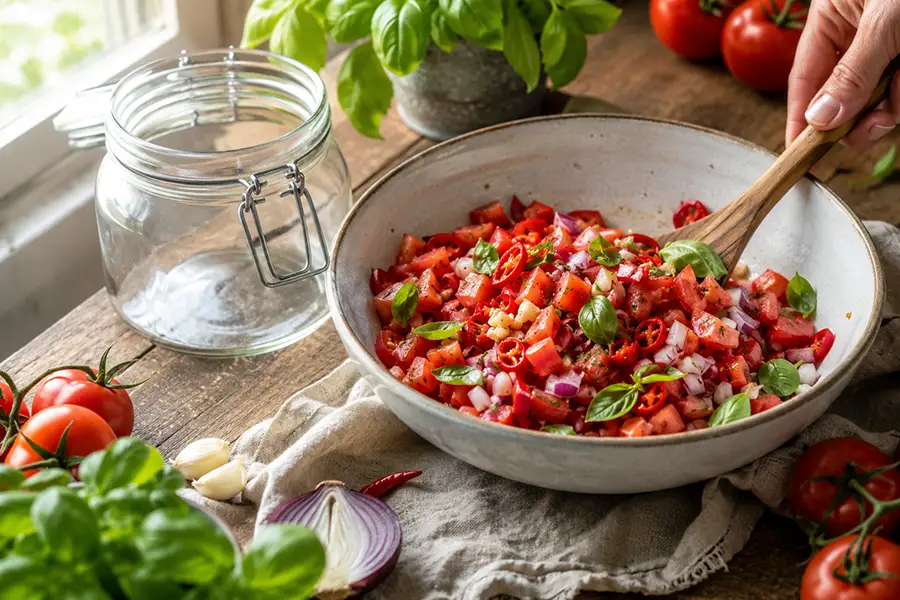
A bright summer salsa made with ripe tomatoes, sweet peppers, onion, garlic, basil and chilli. A short fermentation gives it a lively tang and deeper savoury flavour, making it perfect for spooning over grilled halloumi, eggs, potatoes, tacos, grain bowls or toasted bread.

This is a practical July ferment: fresh, colourful, quick to prepare and easy to use at the table.

FAQs

Can I blend this into a smooth salsa?

Yes. You can pulse it briefly after fermentation if you prefer a smoother texture. Do not over-blend, or it may become watery. A chunky texture usually works best.

How spicy is this fermented salsa?

That depends on the chilli you use. For a mild salsa, leave the chilli out. For gentle heat, use a small fresh chilli with the seeds removed. For more warmth, add extra chilli or a pinch of chilli flakes.

Can I ferment this salsa for longer than 48 hours?

You can, but tomato ferments can become very sharp and fizzy if left too long in warm weather. For a fresh summer salsa, 24–48 hours is usually enough.

Summer Tomato Salsa Ferment
Ingredients:

Makes 1 medium jar


  • 500 g ripe tomatoes, finely chopped
  • 1 sweet red pepper, finely diced
  • ½ small red onion, finely chopped
  • 1 garlic clove, finely grated or minced
  • 1 small chilli, finely chopped, optional
  • 8–10 fresh basil leaves, torn or finely sliced
  • 10 g fine sea salt, about 2% of the vegetable weight
  • 1 tbsp fresh lemon juice
  • Optional: ½ tsp smoked paprika
  • Optional: 1 tbsp brine from a live vegetable ferment, to help start fermentation


Tomato, Pepper & Basil Fermented Salsa
Directions:
  1. Wash the vegetables well. Chop the tomatoes, pepper, onion and chilli into small, even pieces.
  2. Place the chopped vegetables in a clean bowl. Add the garlic, basil, salt, lemon juice and smoked paprika, if using.
  3. Mix well and leave for 10–15 minutes, until the tomatoes release plenty of juice.
  4. Spoon the salsa into a clean jar, pressing down gently so the vegetables sit under their own liquid. Leave at least 2–3 cm of space at the top of the jar.
  5. If the salsa looks too dry, press again and wait a little longer. Tomatoes usually release enough liquid. Add a spoonful of live ferment brine only if needed.
  6. Use a small fermentation weight or a clean food-safe weight to keep the vegetables below the liquid.
  7. Close the jar loosely, or use a fermentation lid. Leave at room temperature for 24–48 hours, depending on your kitchen temperature and preferred flavour.
  8. Open the jar once a day to release gas if using a standard lid. Taste after 24 hours. When the salsa tastes lightly tangy and lively, transfer it to the fridge.
  9. Keep refrigerated and use within 5–7 days.


Serving Ideas

Serve with grilled halloumi, tortilla chips, eggs, roasted potatoes, wraps, burgers, grain bowls or spooned over grilled vegetables. It also makes a lovely topping for sourdough toast with olive oil.

Notes:

Keep the vegetables below the liquid during fermentation. Use clean utensils when serving. If the salsa smells unpleasant, shows visible mould, or develops a slimy texture, discard it.

More ferments...

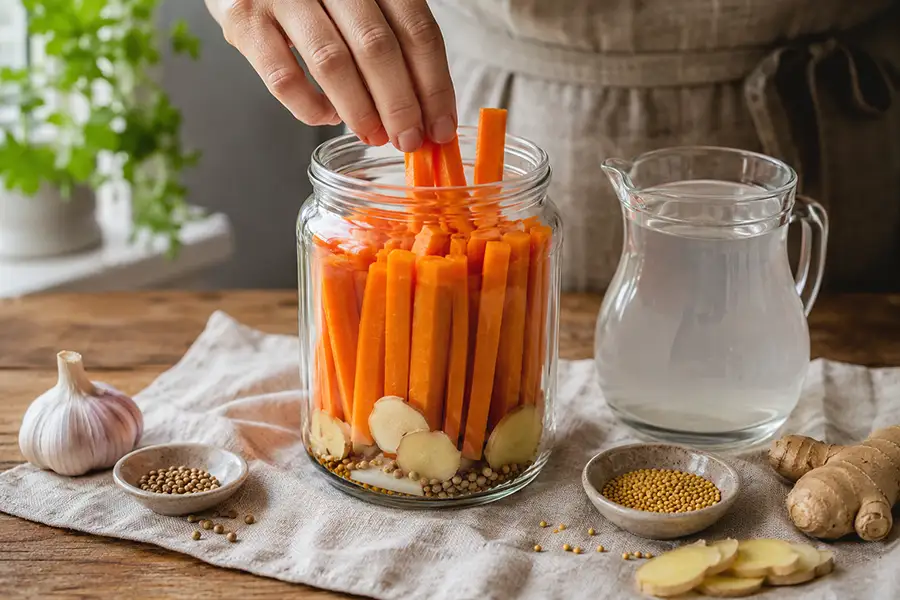
Crisp lacto-fermented carrots with fresh ginger

Crisp lacto-fermented carrot sticks with fresh ginger, made in a...

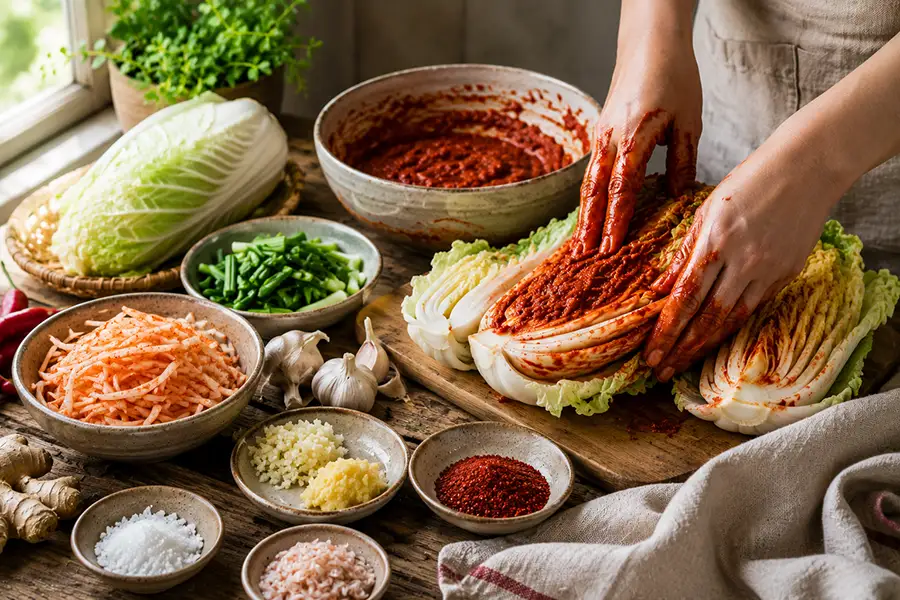
Traditional Korean baechu-kimchi with gochugaru

Traditional baechu kimchi made with napa cabbage, Korean radish, spring...

Garlic pickle with fenugreek & black gram

A slow-soaked garlic pickle with fenugreek, black gram, and tangy...

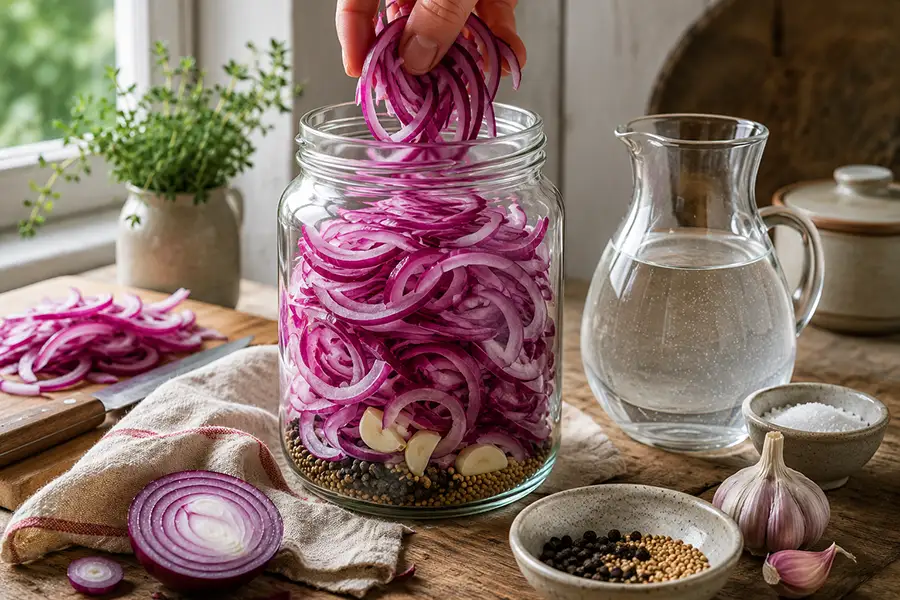
Tangy fermented red onion slices

These fermented red onions are crisp, vivid and gently tangy,...

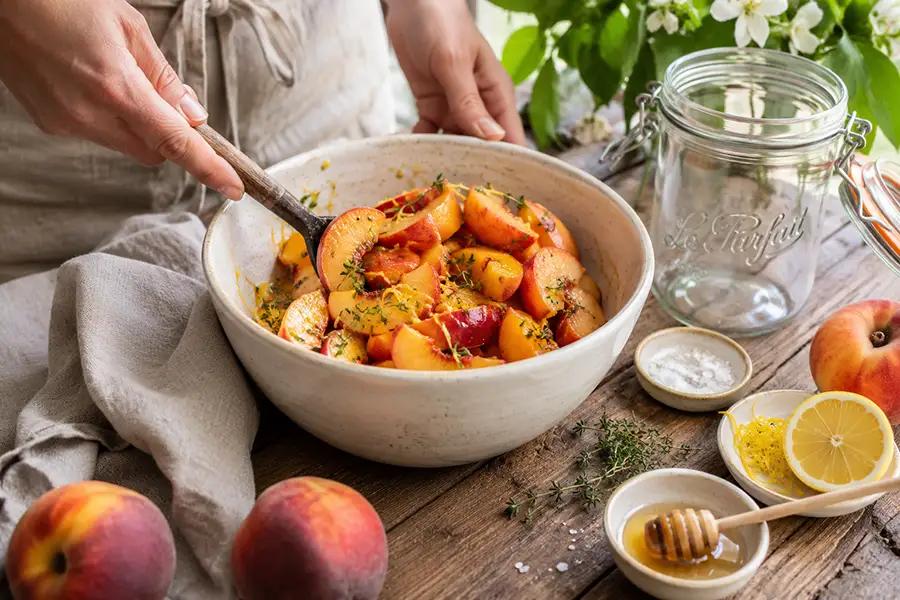
Lightly fermented peaches with thyme and lemon

A light summer fruit ferment made with ripe peaches, thyme,...

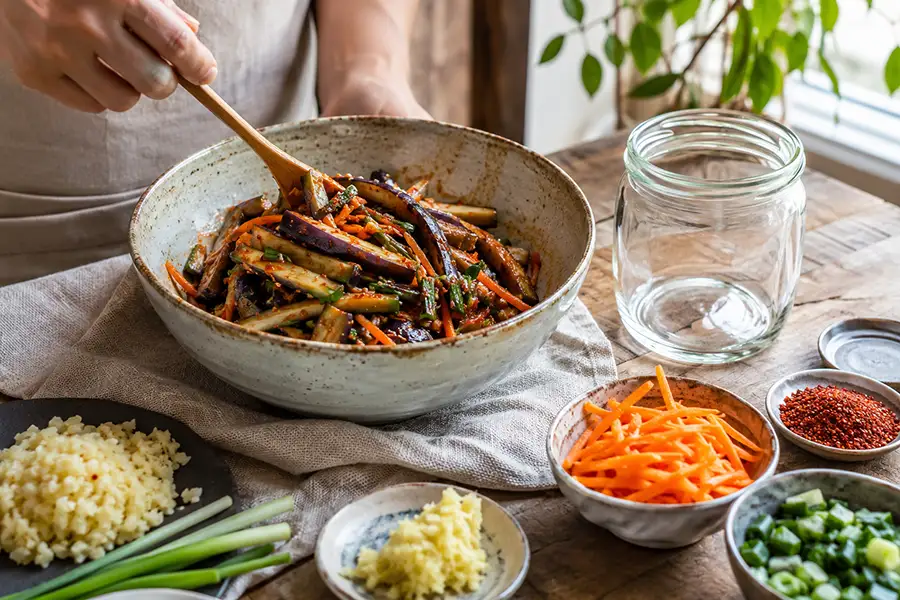
Kimchi-style aubergine with garlic, ginger, and gochugaru

Aubergines salted at 2% are mixed with garlic, ginger, gochugaru,...

Explore more from Brine & Bloom

Fermentation supports what grows before it ever reaches the kitchen

Fermentation revolutionizes agriculture by providing eco-friendly solutions like biofertilizers, biopesticides,...

Gut-health hype meets whole fermented foods

Whole fermented foods differ from processed probiotics, crucial for gut...

African fermented grains and beyond

African fermented grains like millet and sorghum deliver probiotic nutrition...

8 kid-friendly fermentations to make this summer

Engage kids this summer with eight fun and safe DIY...

Leave a Reply

Your email address will not be published. Required fields are marked *