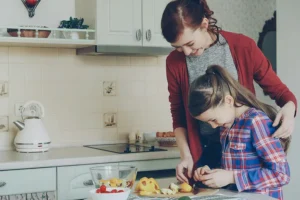
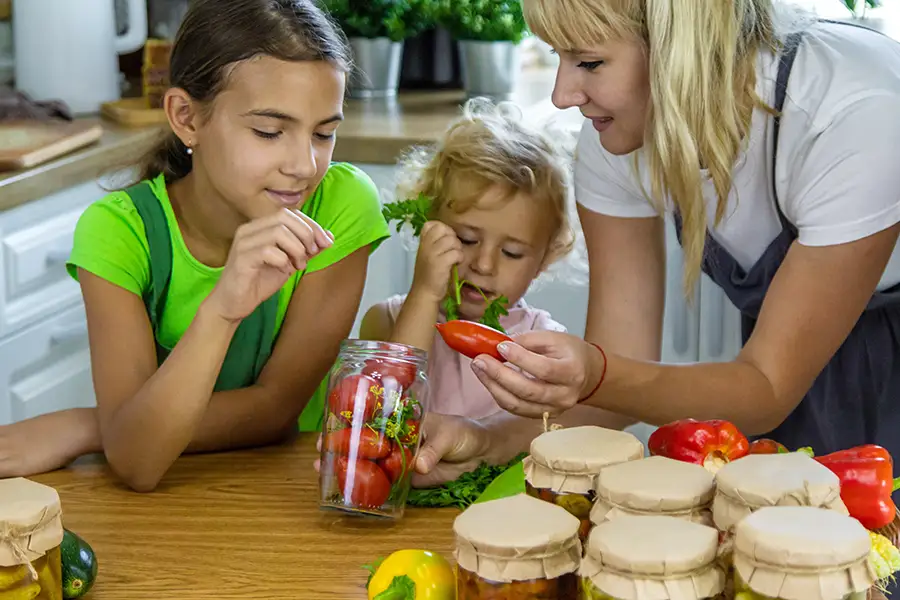

Involving kids in the kitchen can turn cooking from a chore into an adventure, especially when it comes to fermentation. Encouraging children to explore the world of fermented foods not only fosters healthy eating habits but also ignites their curiosity about science and nature. Fermentation provides a tactile and engaging way for kids to understand the roles of yeast, bacteria, and the exciting transformations that occur during the process.
Fermentation is not only about achieving culinary results but also about enjoying the journey. Starting with kid-friendly desserts, like yogurt or coconut milk-based treats, is a great introduction. These treats can captivate their taste buds and make them interested in more complex fermentations, such as sourdough or vegetable ferments. By keeping the activities playful and educational, kids playfully learn important concepts that extend beyond the kitchen.
Dessert fermentation: A sweet start
Beginning with desserts is a fantastic way to capture a child’s interest in fermentation, as everyone loves a sweet treat. Ingredients like yogurt, cultured cream, or coconut milk can be transformed into delectable creations such as frozen yogurt, vegan coconut mousse, or creamy cultured fruit jello. These options offer naturally sweet and sugar-free alternatives that are both healthy and delightful.
Introducing children to frozen yogurt or probiotic cheesecake not only gives them a firsthand experience with fermentation but also allows them to experiment with flavors. This is an opportunity for them to get creative by adding their favorite fruits or natural sweeteners. The process of transforming basic ingredients into a finished dessert provides a tangible sense of accomplishment and reinforces positive food choices.
Another enticing treat to try is date caramel sauce, which can be enjoyed with a variety of fermented desserts. Such desserts present an approachable way to introduce children to the concept that healthy and delicious can go hand in hand, making them more open to trying different types of fermented foods in the future.
Engaging activities for little scientists
Fermentation offers an excellent platform for combining food and science, allowing children to become little scientists right in their own kitchen. One way to engage them is by having them maintain an “observation notebook” to document their fermentation experiments. This immersion in the scientific method helps them note changes in color, texture, and aroma as the fermentation process unfolds. Comparing the taste of finished fermented products with their starting ingredients further sharpens their observational skills.
Using fermentation as an educational tool, parents can explain how beneficial bacteria and yeast work their magic. Reframing living bacteria as ‘good bacteria’ helps dispel any misconceptions children may have absorbed from advertisements about all bacteria being harmful. This newfound affinity towards microbial allies fosters a positive attitude towards both science and healthy eating choices.
Moreover, the sensory experiences associated with fermentation can be quite memorable for young minds. Tasks such as kneading sourdough or pressing cabbage for sauerkraut not only strengthen hand-eye coordination but also connect children to traditional food practices, making them aware of diverse food cultures and histories.
Providing children with practical explanations about fermentation helps them see the connections between the microscopic and macroscopic world. Just like they need air, food, and shelter, fermentation vessels require specific conditions to support the growth of beneficial bacteria and yeast. Explaining how these processes align with the biological needs of living organisms, like themselves, can make fermentation more relatable and easier to grasp.
Parallelly, involving children in fermentation projects strengthens their problem-solving skills. They learn to adjust fermentation times and conditions based on their observations. This aspect of trial and error can not only make them feel empowered but also teach patience and persistence, valuable skills both inside and out of the kitchen.