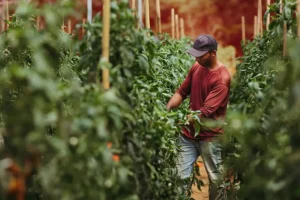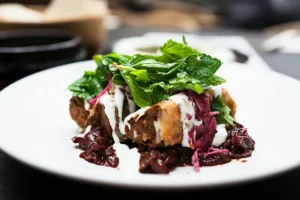
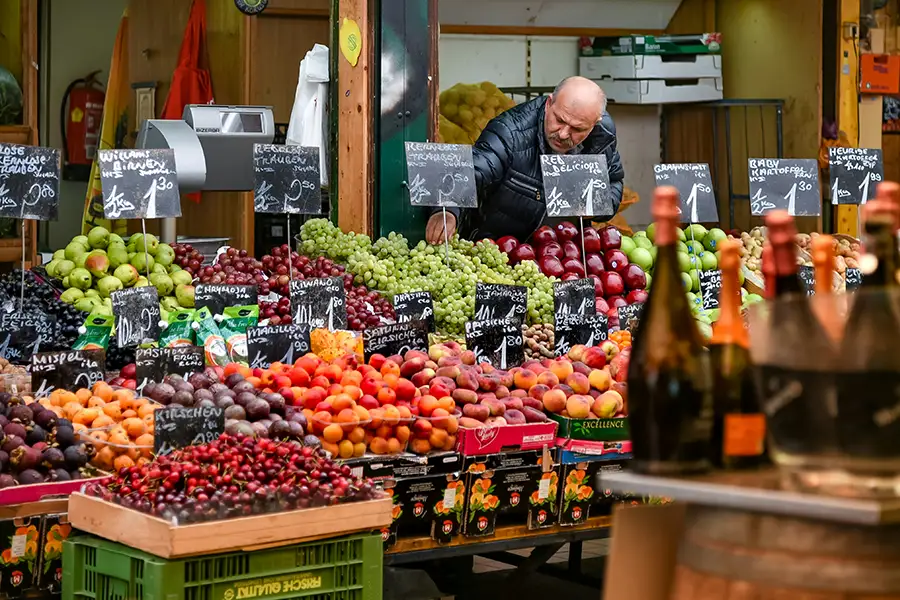

July is a month of contrast in the fermenting kitchen. In the Northern Hemisphere, markets are full of cucumbers, tomatoes, peppers, courgettes, berries, herbs, and stone fruit. Ferments move quickly in the warmth, flavours become bright and lively, and even a small jar can change noticeably within a day or two.
In the Southern Hemisphere, July sits deep in winter. The produce basket is steadier and more grounding: cabbage, carrots, beetroot, turnips, radishes, citrus, apples, pears, and hardy greens. Fermentation tends to move more slowly in cooler kitchens, giving deeper, rounder flavours time to build.
Wherever you are, July is a useful reminder that fermentation follows the season. Warmth speeds things up. Cold slows them down. The best jars are not forced; they are watched, tasted, adjusted, and moved to the fridge when ready.
Northern hemisphere: High summer ferments
July in the Northern Hemisphere is one of the most generous months for fresh produce. Cucumbers are crisp, tomatoes are heavy with juice, peppers are sweetening, herbs are fragrant, and fruit is everywhere. This is the season for quick brines, fridge-friendly ferments, bright condiments, and lightly sparkling drinks.
Because summer heat can speed fermentation, smaller batches are often better. A jar of cucumbers may become tangy in just a few days, while a fruit ferment can become active quickly. Keep vegetables submerged, use clean equipment, avoid direct sun, and taste often.
Cucumbers
Cucumbers are one of July’s most natural fermentation ingredients. Their high water content, crisp texture, and mild flavour make them ideal for brining with dill, garlic, mustard seed, coriander seed, or chilli.
Try:
Dill fermented cucumbers with garlic, dill seed, and a 3–5% brine.
Cucumber and herb spears with parsley, dill, celery leaf, or coriander.
Lightly fermented cucumber slices for sandwiches, potato salads, or grain bowls.
In hot weather, cucumbers can soften quickly. Use very fresh, firm cucumbers, trim the blossom end, keep them fully submerged, and move them to the fridge once they taste pleasantly tangy.
Tomatoes
Tomatoes bring sweetness, acidity, and depth to summer ferments. They are not always the easiest vegetable to ferment whole because they soften, but they are wonderful in condiments, salsas, and short ferments.
Try:
Fermented tomato salsa with onion, chilli, garlic, coriander, and lime added after fermentation.
Fermented ketchup with tomato paste, brine, spices, and a short room-temperature ferment.
Cherry tomatoes in brine with basil, garlic, and black pepper.
Tomato ferments are best kept short and carefully monitored. Once the flavour becomes bright and tangy, refrigerate them. The goal is freshness and depth, not long storage at room temperature.
Peppers and chillies
July peppers are colourful, sweet, and aromatic. They ferment beautifully, especially when paired with garlic, onion, carrot, fruit, or tomato. Chillies are particularly useful for fermented hot sauces.
Try:
Fermented chilli sauce with chillies, garlic, and 3% brine.
Sweet pepper relish with red pepper, onion, and a little carrot.
Pepper and tomato salsa ferment for spooning over eggs, potatoes, rice bowls, or grilled vegetables.
For a smoother sauce, ferment the chopped vegetables first, then blend and refrigerate. If you want a sharper condiment, add a little vinegar after fermentation, not before.
Courgettes and summer squash
Courgettes are abundant in July, but they need a gentle hand. They have a soft texture and can become mushy if fermented for too long. Short ferments work best.
Try:
Courgette ribbons in brine with garlic, mint, and lemon zest.
Courgette and carrot sticks with dill and mustard seed.
Quick courgette pickle-ferment for grain bowls and mezze-style plates.
Use young, firm courgettes and cut them into thicker pieces if you want more texture. A short 1–3 day ferment is usually enough in warm kitchens.
Green beans
Green beans hold their shape well, making them one of the more satisfying summer vegetables to ferment. They are crisp, practical, and excellent with garlic, dill, chilli, or mustard seed.
Try:
Fermented green beans with garlic and dill.
Spicy green bean spears with chilli flakes and coriander seed.
Green bean and carrot jar for a colourful summer ferment.
Blanching is sometimes used in pickling, but for fermentation, fresh raw beans can work well when they are clean, firm, and fully covered with brine. Keep the jar out of direct sunlight and check it daily.
Aubergines
Aubergines are rich and beautiful, but they are not a beginner ferment in the same way cucumbers or cabbage are. Their texture can become soft, and many traditional preparations involve cooking, salting, oil, vinegar, or stuffing rather than simple raw fermentation.
For Brine & Bloom, aubergines are better approached as part of preservation culture rather than a simple beginner ferment.
Try:
Soy sauce and garlic fermented aubergine
Miso-cured aubergine (misozuke-style)
Kimchi-Style Aubergine with garlic, ginger, and gochugaru
This is a good place to remember: not every preserved food is fermented, but every jar tells a preservation story.
Berries
Berries are delicate, fragrant, and fast-moving. They are best used in short ferments, drinks, shrubs, sauces, or mixed with honey, sugar, herbs, or water-based starters. They should not be left for long at room temperature.
Try:
Strawberry and basil soda using a ginger bug or active starter.
Blueberry or blackberry short ferment for spooning over yoghurt or pancakes.
Berry and herb sparkling drink with mint, basil, or lemon balm.
Fruit ferments can become fizzy quickly, especially in warm weather. Use bottles carefully, burp them if needed, and refrigerate once lively.
Stone fruit
Peaches, nectarines, apricots, plums, and cherries bring perfume and sweetness to July. They can be used in lightly fermented drinks, chutney-style condiments, or fruit sauces.
Try:
Plum and ginger ferment for spooning over yoghurt or serving with cheese.
Apricot and honey short ferment, kept brief and refrigerated.
Cherry and spice fermented soda with cinnamon, clove, or vanilla.
Stone fruit ferments should be treated as short, seasonal experiments rather than long pantry preserves. Keep batches small and taste often.
Herbs
July herbs are at their most generous. Dill, basil, mint, parsley, coriander, oregano, thyme, and tarragon can completely change the character of a ferment.
Try:
Dill and garlic cucumber brine.
Basil tomato ferment for salsa or sauce.
Minted courgette or carrot sticks.
Herbs are also useful for creating regional flavour profiles. Dill and garlic can lean towards Central and Eastern European traditions. Basil and tomato feel more Mediterranean. Mint can brighten courgette, carrot, or yoghurt-based dishes.
Southern hemisphere: Winter ferments
In the Southern Hemisphere, July is winter. Fermentation becomes slower and often more forgiving. Instead of quick cucumber jars and fizzy berry drinks, this is the season for cabbage, roots, citrus, apples, pears, and warming spice.
Cooler temperatures can help vegetables stay crisp, but they also extend fermentation time. A cabbage ferment that moves quickly in summer may take several weeks in a cold kitchen. Patience becomes part of the recipe.
Cabbage
Cabbage is the backbone of winter fermentation. It is reliable, affordable, and deeply connected to food traditions across Europe, Asia, and beyond.
Try:
Classic sauerkraut with 2% salt by vegetable weight.
Cabbage and carrot ferment with garlic, dill seed, or bay.
Whole-leaf cabbage brine inspired by Balkan sour cabbage traditions.
Cabbage is also one of the best beginner ferments because it creates its own brine when salted and massaged. Keep it pressed below the liquid and allow it time to develop.
Carrots
Carrots bring sweetness, colour, and crunch to winter jars. They ferment well on their own or with cabbage, beetroot, garlic, ginger, dill, or coriander seed.
Try:
Fermented carrot sticks with garlic and dill.
Carrot and ginger brine for a brighter winter ferment.
Cabbage and carrot slaw ferment for sandwiches, bowls, and toasties.
Carrots are useful because they keep their texture well. In a cool kitchen, they may take longer to become tangy, so taste rather than relying only on the calendar.
Beetroot
Beetroot brings earthiness, colour, and depth. It works especially well in kvass-style drinks, grated vegetable ferments, and mixed root jars.
Try:
Beet kvass with beetroot, salt, water, and optional ginger.
Beetroot and carrot ferment with garlic or caraway.
Winter root brine with beetroot, turnip, radish, and carrot.
Beetroot can make brine look dramatic very quickly. This is usually normal. Watch for smell, texture, and signs of spoilage rather than colour alone.
Turnips and radishes
Turnips and radishes are sharp, crisp, and excellent for brining. They can be fermented alone or paired with beetroot, carrot, garlic, chilli, or herbs.
Try:
Pink turnip-style brine with turnip and beetroot.
Fermented radish slices for sandwiches and rice bowls.
Mixed winter root ferment with turnip, radish, carrot, and garlic.
These vegetables can produce strong aromas during fermentation. That does not automatically mean something is wrong, but anything unpleasant, mouldy, slimy, or rotten-smelling should be discarded.
Citrus
Citrus belongs beautifully to winter. Lemons, oranges, mandarins, and grapefruit are useful for flavouring ferments, drinks, relishes, and preserved condiments.
Try:
Salt-preserved lemons for stews, salads, dressings, and grain dishes.
Citrus and ginger fermented soda using an active starter.
Orange peel and spice infusion for fermented drinks.
Salt-preserved lemons are a preservation classic, though they are not always a lactic vegetable ferment in the same way sauerkraut is. They still belong in the wider preservation pantry and are useful across many dishes.
Apples and pears
Apples and pears are excellent in winter fermenting because they bring sweetness, aroma, and gentle acidity. They can be used in drinks, chutney-style ferments, cabbage mixes, and sauces.
Try:
Sparkling apple ferment with ginger bug.
Pear and ginger short ferment for yoghurt or porridge.
Apple and cabbage sauerkraut with caraway or juniper.
Fruit ferments need care. They can become active and alcoholic if left too long, especially when sugar is available. Keep them short, cool, and refrigerated once ready.
Hardy greens
Kale, chard, mustard greens, and other winter greens can be included in mixed ferments, but they are often stronger and more fibrous than cabbage. They work best in small amounts.
Try:
Cabbage and kale ferment with garlic.
Chard stem brine rather than whole leaves.
Mustard greens with chilli and garlic, inspired by traditions that ferment leafy greens.
Use greens as supporting ingredients rather than the whole jar, unless you are following a tested traditional recipe.
July fermentation notes
July fermentation depends heavily on temperature.
In warm Northern Hemisphere kitchens, fermentation can move quickly. Smaller jars, shorter fermentation times, and earlier refrigeration are often useful. Keep jars away from direct sun and taste daily once activity begins.
In cooler Southern Hemisphere kitchens, fermentation may take longer. Cabbage, carrots, beetroot, and root vegetables may need more time to develop acidity and flavour. If a ferment seems quiet, it may simply be moving slowly.
For vegetable ferments, always use clean equipment, the right amount of salt, fresh ingredients, and enough brine to keep everything submerged. Submersion is one of the most important practical habits in home fermentation.
Closing thought
July can be bright and fast, or slow and grounding, depending on where you are. It can taste like cucumber, dill, tomato, basil, berries, and peach. It can also taste like cabbage, beetroot, citrus, apple, and winter roots.
That is the quiet magic of seasonal fermentation. The method stays simple, but the jar changes with the month.
Excerpt
July brings high summer abundance in the Northern Hemisphere and deep winter produce in the Southern Hemisphere, making it a month of contrast for fermentation. From cucumbers, tomatoes, peppers, berries, and herbs to cabbage, roots, citrus, and apples, July offers both quick warm-weather ferments and slower cold-season jars.
Sources
European Commission, Fruit and Vegetables Calendar
https://agriculture.ec.europa.eu/farming/crop-productions-and-plant-based-products/fruit-and-vegetables/fruit-and-vegetables-calendar_en
National Center for Home Food Preservation, General Information on Fermenting
https://nchfp.uga.edu/how/ferment/general-information-on-fermenting/
University of Minnesota Extension, Preserving Food at Home: Fermentation
https://extension.umn.edu/preserve-your-own-food/fermentation
Illinois Extension, Fermenting
https://extension.illinois.edu/food-preservation/fermenting
Virginia Cooperative Extension, Vegetable Fermentation
https://pubs.ext.vt.edu/FST/FST-328/FST-328.html
USDA SNAP-Ed, Seasonal Produce Guide
https://snaped.fns.usda.gov/resources/nutrition-education-materials/seasonal-produce-guide
Food Safety Notice:
Our recipes, guides, and fermentation recommendations are created with care and based on accepted food preparation principles. However, home fermentation depends on many factors, including ingredient quality, cleanliness, temperature, salt levels, storage, and handling. Please follow all instructions carefully, use clean equipment, keep ferments properly submerged where required, and discard anything that shows mould, unpleasant odours, unusual texture, or signs of spoilage. Brine & Bloom cannot accept responsibility for individual preparation, storage, consumption, or outcomes. When in doubt, do not eat it.